Caffeine Metabolism and Your Genes: Should You Quit Coffee?

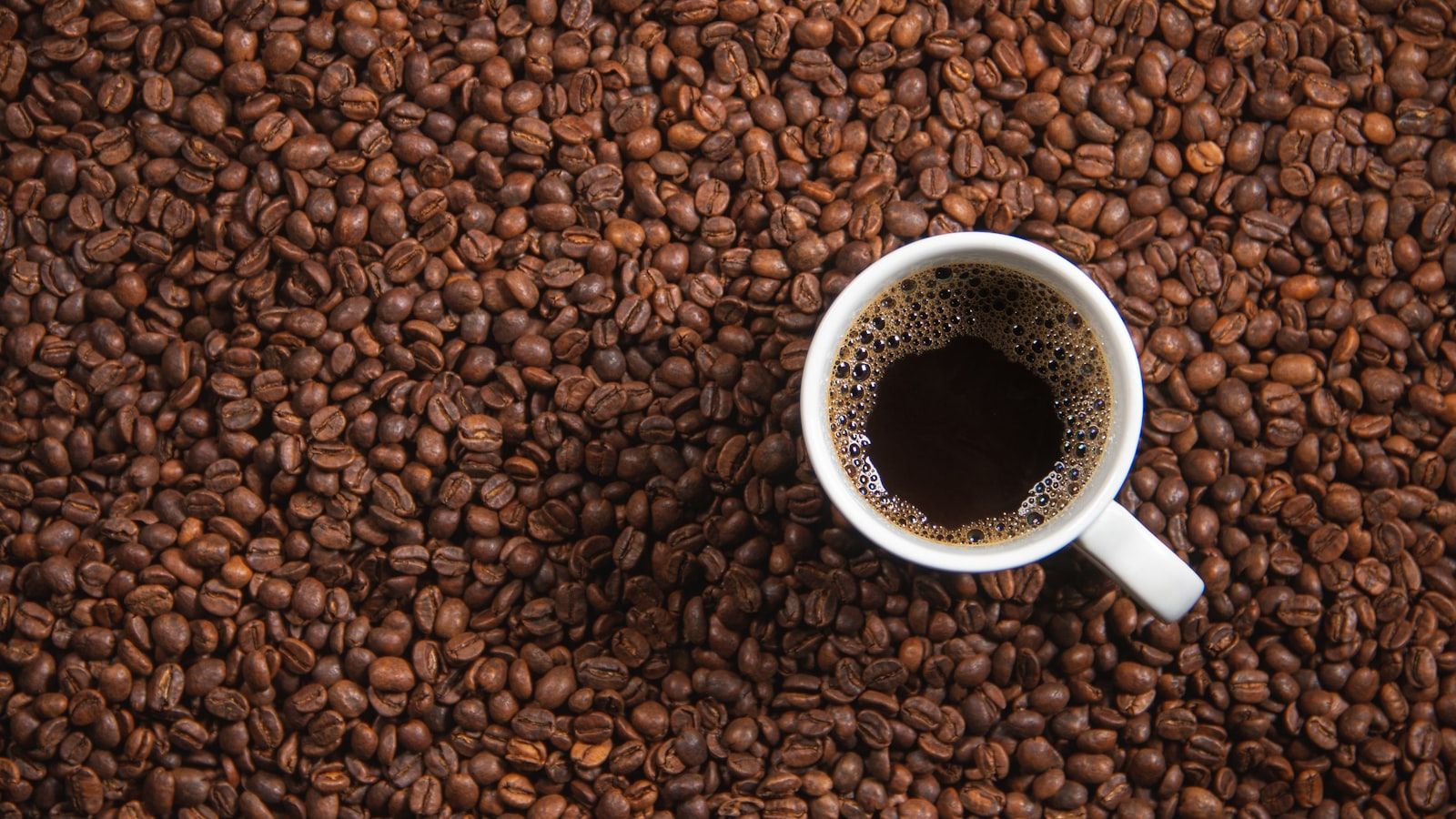
"Coffee is not universally good or bad - it depends on how fast your body clears caffeine. For fast metabolizers, moderate coffee may actually protect the heart. For slow metabolizers, the same amount increases risk." - Dt. Trishala Goswami, MSc Clinical Nutritionist & Certified Nutrigenomics Specialist
India's relationship with caffeine is evolving rapidly. Traditional chai culture is being complemented (and sometimes replaced) by espresso bars, cold brews, and specialty coffee shops. South Indian filter coffee has always been strong and beloved. And pre-workout caffeine supplements are increasingly popular in the fitness community.
Yet the health advice around coffee has been confusing for decades - some studies show it prevents diabetes and Parkinson's, others link it to heart attacks and anxiety. How can the same substance be both protective and harmful?
The answer, we now know, lies largely in a single gene: CYP1A2. Your variant of this gene determines whether you metabolize caffeine quickly or slowly - and this single genetic difference dramatically changes coffee's effect on your health.
Table of Contents
How Your Body Processes Caffeine
When you drink coffee or tea, caffeine is absorbed rapidly through the stomach and small intestine, reaching peak blood levels within 30-60 minutes. It then travels to the liver, where it is metabolized primarily by the cytochrome P450 enzyme system - specifically the CYP1A2 enzyme.
CYP1A2 is responsible for approximately 95% of caffeine metabolism. It breaks caffeine down into paraxanthine, theobromine, and theophylline - metabolites that are then further processed and excreted. The speed at which CYP1A2 works determines your caffeine half-life - how long it takes for half the caffeine to be cleared from your bloodstream.
In fast metabolizers, caffeine's half-life is approximately 2-4 hours. In slow metabolizers, it can be 6-10 hours. This means that a cup of coffee at 2 PM could still have significant caffeine circulating at 10 PM in a slow metabolizer - disrupting sleep architecture even if the person falls asleep normally. A fast metabolizer drinking the same coffee would have cleared most of it by dinner.
The CYP1A2 Gene: Fast vs. Slow Metabolizers
The CYP1A2 gene variant rs762551 determines your metabolizer status:
A/A genotype (fast metabolizers): The CYP1A2 enzyme is highly active, clearing caffeine rapidly. Approximately 40-45% of the population carries this variant. These individuals can typically handle moderate to high caffeine intake (3-4 cups of coffee daily) without adverse effects and may experience protective cardiovascular benefits.
A/C or C/C genotype (slow metabolizers): The enzyme is less active, and caffeine lingers in the bloodstream significantly longer. Approximately 55-60% of the population carries one or two C alleles. These individuals are more susceptible to caffeine-related side effects and face increased cardiovascular risk at higher intake levels.
The landmark study by Cornelis et al. (2006) in JAMA examined over 2,000 individuals and found that among slow metabolizers, consuming 2 or more cups of coffee daily was associated with a 36% increased risk of non-fatal heart attack. Among fast metabolizers, the same intake showed a 22% reduced risk. Same beverage, opposite effects - determined entirely by one gene.
What Research Shows for Each Type
For fast metabolizers (A/A):
Research consistently shows neutral to protective effects. Moderate coffee consumption (2-4 cups daily) is associated with reduced risk of type 2 diabetes (van Dam and Hu, 2005, JAMA), reduced Parkinson's disease risk, and potential cardiovascular protection. The proposed mechanism: caffeine is cleared quickly, and coffee's beneficial compounds (chlorogenic acid, polyphenols, magnesium) provide anti-inflammatory and antioxidant effects without prolonged caffeine exposure.
Athletic performance benefits are also most pronounced in fast metabolizers. Caffeine enhances fat oxidation, delays perceived exertion, and improves endurance - effects that are maximized when caffeine is metabolized efficiently. Guest et al. (2018) in Medicine and Science in Sports and Exercise found that CYP1A2 genotype significantly modified caffeine's ergogenic effects.
For slow metabolizers (A/C or C/C):
Extended caffeine exposure increases sympathetic nervous system activation, raises blood pressure for longer periods, and maintains elevated cortisol levels. Research by Palatini et al. (2009) in the Journal of Hypertension found that slow metabolizers with hypertension who consumed coffee had significantly worse blood pressure control than fast metabolizers with the same condition.
Sleep disruption is particularly problematic. Even caffeine consumed 8-10 hours before bed can reduce deep sleep stages in slow metabolizers. Drake et al. (2013) in the Journal of Clinical Sleep Medicine showed that caffeine consumed 6 hours before bedtime significantly reduced total sleep time - an effect that would be amplified in slow metabolizers.
Signs You Might Be a Slow Metabolizer
While genetic testing provides certainty, these clinical signs suggest slow metabolism:
Coffee makes you jittery or anxious, even in small amounts. You notice a "wired" feeling lasting several hours after one cup. Afternoon coffee disrupts your sleep that night. You feel your heart racing after consuming caffeine. Coffee makes you feel more stressed rather than more focused. You get headaches when you skip coffee (indicating strong physiological dependence from prolonged exposure). A single cup of chai feels "too strong." Evening tea makes falling asleep noticeably harder.
Conversely, if you can drink a strong filter coffee at 4 PM and sleep soundly at 10 PM, you are likely a fast metabolizer.
Caffeine, Cortisol, and Indian Women
This section is particularly relevant for Indian women dealing with PCOS, thyroid issues, stress, or weight management. Caffeine stimulates cortisol production - Lovallo et al. (2005) in Psychosomatic Medicine demonstrated that caffeine consumption elevated cortisol levels in habitual coffee drinkers, with the effect persisting despite long-term consumption.
For women whose cortisol is already elevated from chronic stress, sleep deprivation, or PCOS-related adrenal dysfunction, adding caffeine compounds the cortisol burden. This can worsen insulin resistance (cortisol opposes insulin), increase belly fat storage, disrupt menstrual cycles, and impair thyroid function (cortisol reduces T4 to T3 conversion).
In my practice, I observe that women with adrenal PCOS, hypothyroidism, or significant stress often show notable improvement in symptoms when caffeine is reduced or eliminated - particularly when they are slow metabolizers who maintain elevated caffeine levels throughout the day.
However, not every woman with these conditions needs to eliminate caffeine. Fast metabolizers who tolerate coffee well, sleep soundly, and are not experiencing cortisol-related symptoms can typically continue moderate consumption (1-2 cups before noon) without harm.
Practical Recommendations by Metabolizer Type
For confirmed or likely fast metabolizers:
Enjoy moderate coffee consumption (2-3 cups daily) without guilt. Keep caffeine before 2 PM to avoid any sleep interference. Black coffee or filter coffee without sugar is the healthiest form. If using for athletic performance, consume 3-6 mg/kg body weight 30-60 minutes before exercise. Watch for tolerance build-up - periodic 1-week breaks reset caffeine sensitivity.
For confirmed or likely slow metabolizers:
Limit to 1 cup daily, consumed before noon. Consider switching to green tea (lower caffeine, contains L-theanine which modulates the stimulant effect). Never consume caffeine on an empty stomach (amplifies cortisol spike). Avoid caffeine entirely if you have anxiety, insomnia, hypertension, or PCOS-related stress. Reduce gradually if currently consuming multiple cups - sudden withdrawal causes headaches and fatigue for 3-7 days.
For everyone, regardless of genotype:
Avoid adding sugar to tea or coffee - this adds metabolic stress to the caffeine response. Do not rely on caffeine to compensate for inadequate sleep - address the root cause. Be aware that caffeine is also present in chai, green tea, chocolate, certain medications, and pre-workout supplements - total daily caffeine from all sources matters, not just coffee.
Beyond Coffee: Other Caffeine Sources to Consider
Indian chai: A standard cup of chai contains approximately 30-50 mg caffeine (compared to 80-120 mg in coffee). For slow metabolizers, this lower dose may be better tolerated, though 3-4 cups daily still accumulates 90-200 mg total.
Green tea: Contains 25-50 mg caffeine per cup but also provides L-theanine - an amino acid that promotes calm alertness without the jitteriness of coffee. Research by Nobre et al. (2008) in Asia Pacific Journal of Clinical Nutrition showed L-theanine modulates caffeine's stimulatory effects, making green tea generally better tolerated by slow metabolizers.
Dark chocolate: A 30g serving contains approximately 20-25 mg caffeine. For sensitive individuals, consuming dark chocolate in the evening can affect sleep.
Decaffeinated coffee: Contains 2-12 mg caffeine per cup - a viable alternative for slow metabolizers who enjoy the ritual and flavor of coffee. The Swiss Water Process decaf method avoids chemical solvents.
Matcha: Contains approximately 70 mg caffeine per serving but, like green tea, includes L-theanine. The combination provides sustained energy without the spike-and-crash pattern.
Key Takeaways
Your CYP1A2 gene variant determines whether you are a fast or slow caffeine metabolizer - affecting how long caffeine stays active in your body. Fast metabolizers (A/A genotype, about 40-45% of people) can safely consume 2-3 cups of coffee daily and may even receive cardiovascular benefits. Slow metabolizers (A/C or C/C, about 55-60% of people) face increased heart attack risk, sleep disruption, and anxiety at the same intake levels. For Indian women with PCOS, thyroid issues, or high stress, caffeine management is particularly important due to its cortisol-elevating effects. Clinical signs (jitteriness, sleep disruption, anxiety from small amounts) can help identify your metabolizer type without genetic testing. Green tea with L-theanine is generally better tolerated than coffee by slow metabolizers. Caffeine from all sources (chai, coffee, chocolate, supplements, medications) should be counted toward total daily intake. The best time for caffeine is 90-120 minutes after waking and always before 2 PM - this aligns with natural cortisol rhythms for both metabolizer types.
Curious about your caffeine metabolism and other genetic nutrition insights?
Book a nutrigenomics consultation with Dt. Trishala Goswami on WhatsApp: Click here to book
Medical Disclaimer: This article is for educational purposes. If you are on medications that interact with CYP1A2 (including certain antidepressants, blood thinners, and hormonal medications), caffeine can affect drug metabolism. Discuss caffeine intake with your prescribing physician if you are on any regular medications. Genetic testing for CYP1A2 is available through nutrigenomic panels and should be interpreted by a qualified practitioner.
Curious what your genes say about your diet? Explore our Nutrigenomics program with Dt. Trishala Goswami.
MSc Clinical Nutritionist · Diabetes Educator · Certified Nutrigenomics Specialist
Dt. Trishala Goswami is a clinical nutritionist and certified diabetes educator who designs personalized, science-backed nutrition programs for clients across India and abroad. She specializes in diabetes, PCOS, gut health, and nutrigenomics.
More about Dt. TrishalaWant a personalised Nutrigenomics plan?
Articles can’t replace personalised care. Book a 30-min consultation with Dt. Trishala.
Living outside India? See how online consultations work for NRIs & global clients →
Related reads
FTO Gene and Obesity: Can Your DNA Make You Gain Weight?
Struggling with weight despite doing everything right? The FTO gene variant affects appetite and fat storage in nearly 30% of Indians. A nutrigenomics specialist explains what it means and what you can do.
The FTO Gene and Weight Loss: Why Some Indians Struggle More (And What Helps)
The FTO gene variant - which affects hunger hormones and fat storage - has higher prevalence in South Asians than in European populations. If you carry it, standard calorie-counting advice may consistently underperform. Here is why, and what the evidence suggests helps.
Is a DNA Diet Test Worth It in India? A Nutrigenomics Specialist's Honest Answer
DNA diet testing is growing in popularity in India, but the value depends entirely on what you do with the results. A Certified Nutrigenomics Specialist explains what these tests can and cannot tell you - and when they are genuinely worth it.