How to Eat Healthy Indian Food Abroad: An NRI Guide

"The biggest myth I bust for my NRI clients is that healthy Indian eating needs fresh produce from an Indian market. It does not. With the right pantry staples and a few smart swaps, you can build a genuinely healthy Indian plate in any country - frozen, canned, and dried foods are your friends, not a compromise." - Dt. Trishala Goswami, MSc Clinical Nutritionist, Certified Nutrigenomics Specialist
When you move abroad, one of the quiet stresses is food. The fresh sabzi you took for granted is now an expensive, occasional trip to an Indian store. Local supermarkets feel unfamiliar. And it is far too easy to drift into takeout, frozen parathas, and snacking - and watch your health slide. This is a practical, clinical-nutritionist's guide to eating healthy Indian food anywhere in the world.
The NRI pantry: staples that travel
Healthy Indian eating abroad starts with a well-stocked pantry. These keep for months and cover most of your nutrition:
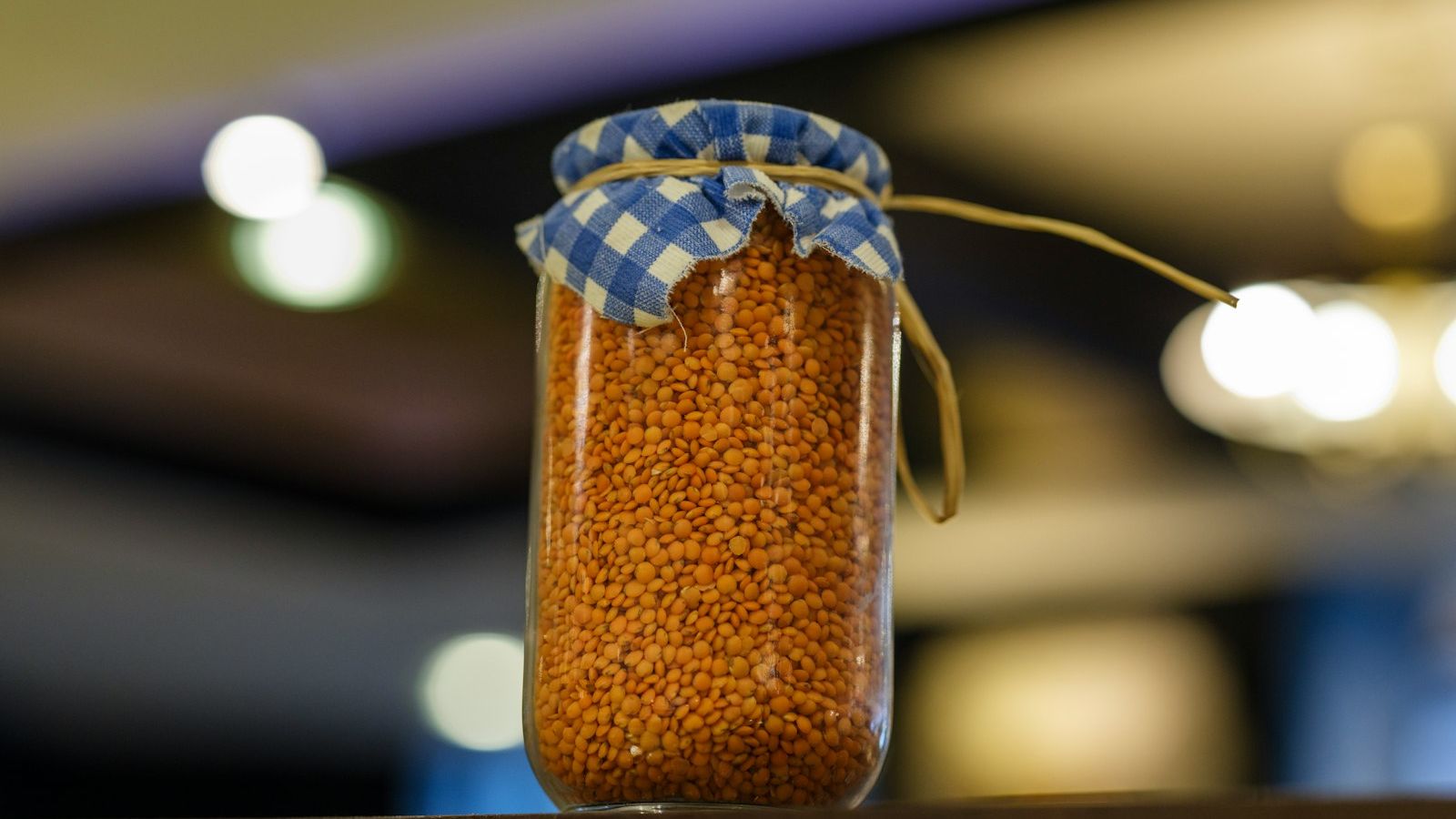
- Lentils and legumes - all your dals, chana, rajma, moong. Dried or canned (rinse canned to cut sodium). Your cheapest, best protein.
- Whole grains - brown or basmati rice, whole-wheat atta, oats, and millets (ragi, bajra, jowar flour) where available. See millets vs rice.
- Spices - the heart of Indian food and a real health asset. Buy turmeric, cumin, coriander, garam masala, mustard seeds in bulk; they last.
- Healthy fats - mustard oil, groundnut oil, ghee, and a neutral oil. See which Indian cooking oil is best.
- Long-life protein - eggs, paneer (freezes well), Greek yogurt or set curd, and canned fish if you eat it.
Frozen and canned are not a compromise
Many NRIs feel guilty using frozen vegetables. Do not. Frozen vegetables are picked and frozen at peak ripeness, so they often retain more nutrients than "fresh" produce that has travelled for days. Frozen peas, spinach, mixed vegetables, and beans make a quick, healthy sabzi any night. Canned tomatoes, beans, and chickpeas are equally useful. Keep your freezer stocked and weeknight cooking becomes effortless.
Smart local swaps
You will not find everything from home - so swap intelligently:
| Can't find | Use instead |
|---|---|
| Fresh methi, specific saags | Frozen spinach, kale, Swiss chard, local greens |
| Indian bottle gourd, tinda | Zucchini, marrow, squash - cook them the same way |
| Fresh curry leaves daily | Frozen or dried curry leaves; buy fresh in bulk and freeze |
| Specific Indian dals | Any local lentil works - red, green, brown all count |
| Paneer (expensive abroad) | Make it at home from milk + lemon; or use firm tofu |
| Indian yogurt | Plain Greek yogurt - higher protein, sets like dahi |
Build the plate, wherever you are
The principles do not change with the country. A healthy Indian plate, anywhere, is:
- Protein first - dal, eggs, paneer, curd, chicken, fish, or soya at every meal. This is the single most important habit, and a common NRI gap. See high-protein vegetarian foods.
- Vegetables and fibre - half your plate, fresh or frozen.
- Carbs in portion - a sensible amount of rice or roti, less refined where you can.
- Healthy fat - cooked in, not drowned in.
This is just the balanced Indian thali, rebuilt with what you can buy locally.
Don't forget the NRI deficiencies
Two things to actively manage abroad, because the local environment works against you:
- Vitamin D - limited sunlight in colder countries makes deficiency very common. See why vitamin D supplements alone don't work.
- Vitamin B12 - common among vegetarians. See B12 deficiency in Indian vegetarians.
Get these checked, and address them with food and, if needed, supplements guided by your doctor.
This article is general education, not a substitute for personalised nutrition or medical care.
Related reading
- An Indian nutritionist for NRIs (worldwide)
- Why NRIs gain weight after moving abroad
- Indian dietitian in the USA
References
- World Health Organization. Healthy diet. who.int
- Harvard T.H. Chan School of Public Health. The Nutrition Source: frozen vs fresh. hsph.harvard.edu
- Indian Council of Medical Research - National Institute of Nutrition (ICMR-NIN). Dietary Guidelines for Indians.
Frequently asked questions
How can I eat healthy Indian food abroad without an Indian grocery nearby?
Stock a pantry of dals, whole grains, and spices that keep for months, use frozen and canned vegetables freely, and make smart local swaps (zucchini for lauki, Greek yogurt for dahi, tofu or home-made paneer). A balanced Indian plate - protein first, vegetables, sensible carbs - can be built from regular supermarket ingredients anywhere.
Are frozen vegetables healthy for Indian cooking?
Yes. Frozen vegetables are frozen at peak ripeness and often retain more nutrients than "fresh" produce that has travelled for days. Frozen spinach, peas, and mixed vegetables make a quick, healthy sabzi and are perfect for busy NRI weeknights.
What should an NRI keep in the pantry for healthy Indian meals?
Dried or canned lentils and legumes (dal, chana, rajma), whole grains (brown rice, atta, oats, millet flours), a full spice set, healthy oils and ghee, and long-life proteins like eggs, paneer, and Greek yogurt. This covers most of your nutrition with months of shelf life.
What deficiencies should NRIs watch for?
Vitamin D (from limited sunlight in many countries) and vitamin B12 (especially for vegetarians) are the two most common. Get them tested and address them through food and, if needed, supplements under medical guidance.
MSc Clinical Nutritionist · Diabetes Educator · Certified Nutrigenomics Specialist
Dt. Trishala Goswami is a clinical nutritionist and certified diabetes educator who designs personalized, science-backed nutrition programs for clients across India and abroad. She specializes in diabetes, PCOS, gut health, and nutrigenomics.
More about Dt. TrishalaWant a plan built around you?
Articles can’t replace personalised care. Book a 30-min consultation with Dt. Trishala.
Living outside India? See how online consultations work for NRIs & global clients →
Related reads
Coconut Oil vs Mustard Oil vs Groundnut Oil: Which Is Healthiest?
A clinical nutritionist breaks down the fatty acid profiles, smoke points, and health claims of India's three most popular cooking oils to help you choose wisely.
Jaggery vs Sugar: Is Gur Really a Healthier Alternative?
A clinical nutritionist debunks the biggest myth in Indian kitchens - that replacing sugar with jaggery makes your diet healthy - and reveals what the science actually says.
Ragi, Jowar, Bajra: A Complete Guide to Indian Millets
A clinical nutritionist compares the nutritional profiles of ragi, jowar, and bajra and explains why these ancient Indian grains deserve a central place in your modern diet.