Is Banana Good for Diabetes? (An Indian Dietitian Explains)

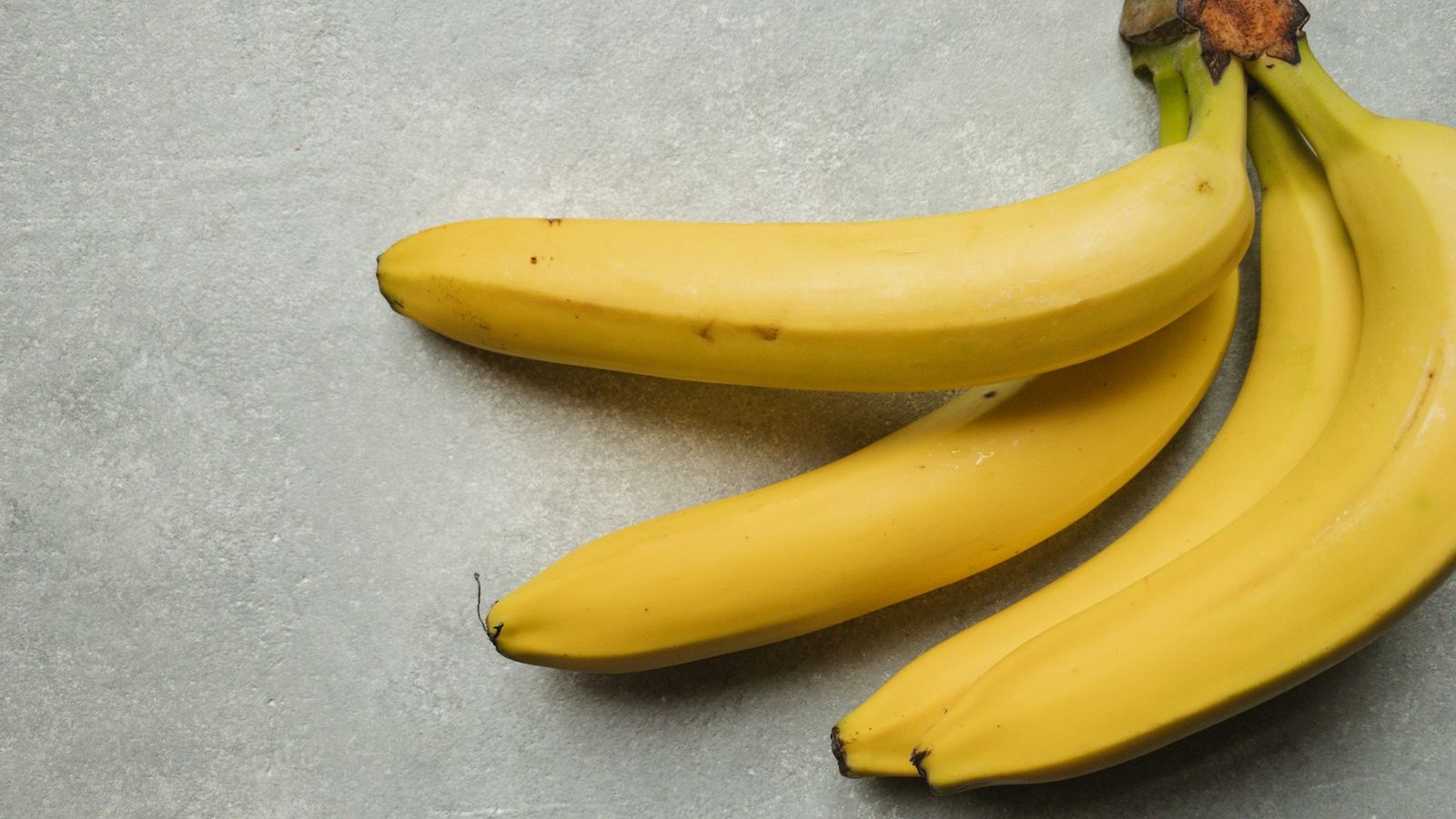
The short answer: Yes, most people with diabetes can eat banana - in the right way. A small, just-ripe (not overripe) banana of about 100g has a moderate glycemic index (~51-55) and is fine when eaten with a protein or fat like a handful of nuts or a bowl of curd. What spikes blood sugar is a large, overripe banana eaten alone on an empty stomach. Ripeness, portion, and pairing decide everything.
"I never tell a client with diabetes to fear a banana. I tell them how to eat it - smaller, greener, and never alone. A banana with a few almonds behaves completely differently from a banana milkshake, even though both are 'banana'." - Dt. Trishala Goswami, MSc Clinical Nutritionist, Certified Diabetes Educator
Why banana gets a bad reputation
Banana is sweet, so it is assumed to be off-limits. But sweetness is not the same as glycemic impact. A banana delivers carbohydrate along with fibre, potassium, magnesium, and resistant starch - and how fast that carbohydrate hits your blood depends on three things you control.
The three things that decide the spike
1. Ripeness. A green-tipped, firmer banana is higher in resistant starch and lower in sugar, giving a gentler rise. A soft, brown-spotted banana has converted much of that starch to sugar and hits faster. Choose just-ripe over overripe.
2. Portion. A large banana can be 30g of carbohydrate; a small one is closer to 20g. For diabetes, a small-to-medium banana (about 100g) is the sensible portion - not one of the large ones.
3. Pairing. Eaten alone, banana's sugar is absorbed quickly. Eaten with protein and fat - a handful of almonds or walnuts, a tablespoon of peanut butter, or a bowl of curd - the same banana raises blood sugar much more slowly.
The glycemic index of banana
A ripe banana has a glycemic index of roughly 51-62 depending on ripeness - a low-to-medium GI food, not a high one. Its glycemic load is moderate because of the fibre. This is why banana can fit a diabetes diet, while a glass of banana juice or a banana shake (no fibre buffer, large portion) does not.
How to eat banana with diabetes
- Pick a small, just-ripe banana, not a large overripe one.
- Always pair it with nuts, seeds, or curd - never eat it alone as a quick snack.
- Time it well: as part of a meal or after a workout is better than on an empty stomach first thing in the morning, when insulin resistance is highest.
- Watch your own numbers. If you have a glucometer, check your 1-2 hour reading after a banana once - your body's response is the final word.
Who should be more cautious
If your diabetes is poorly controlled, your HbA1c is high, or you notice large post-meal spikes, keep banana small, occasional, and always paired - or choose a lower-GI fruit like guava, pear, or a few berries instead. For the bigger picture, see diabetes-friendly fruits and how to eat them.
This article is general nutrition guidance, not a substitute for your doctor's advice.
Related reading
References
- American Diabetes Association. Standards of Care in Diabetes: nutrition therapy. diabetes.org
- Indian Council of Medical Research - National Institute of Nutrition (ICMR-NIN). Nutritive Value of Indian Foods.
Frequently asked questions
Can diabetics eat banana?
Yes, most people with diabetes can eat banana in moderation. A small, just-ripe banana (~100g) has a low-to-medium glycemic index and fits a diabetes diet when paired with a protein or fat like nuts or curd. Avoid large, overripe bananas eaten alone, and skip banana juice and milkshakes, which spike blood sugar fast.
How much banana can a diabetic eat per day?
For most people with diabetes, one small-to-medium banana (about 100g) a day is reasonable, ideally split or eaten with a protein source. If your blood sugar is not well controlled, keep it smaller and less frequent, and check your post-meal reading to see how your body responds.
Which is better for diabetes, ripe or raw banana?
A firmer, just-ripe (green-tipped) banana is better for diabetes than a soft, overripe one. Greener bananas have more resistant starch and less sugar, so they raise blood sugar more slowly. Raw/green banana (kaccha kela) cooked as a sabzi is lower-GI still and a good diabetes-friendly option.
Does banana raise blood sugar quickly?
Banana raises blood sugar moderately, not sharply - unless it is overripe, large, or eaten alone on an empty stomach. The fibre in whole banana slows absorption, and pairing it with nuts or curd slows it further. Banana juice and shakes, which remove the fibre buffer, do spike blood sugar quickly.
MSc Clinical Nutritionist · Diabetes Educator · Certified Nutrigenomics Specialist
Dt. Trishala Goswami is a clinical nutritionist and certified diabetes educator who designs personalized, science-backed nutrition programs for clients across India and abroad. She specializes in diabetes, PCOS, gut health, and nutrigenomics.
More about Dt. TrishalaWant a personalised Diabetes plan?
Articles can’t replace personalised care. Book a 30-min consultation with Dt. Trishala.
Living outside India? See how online consultations work for NRIs & global clients →
Related reads
Diabetes and Kidney Disease: An Indian Diet Guide for Both
Diabetes is the leading cause of kidney disease, yet the two diets contradict each other on rice, dal, millets and protein. A clinical nutritionist explains how to manage both on an Indian plate - and why the renal rules usually win.
Diabetes Diet for Elderly Indians: Softer Food, Weaker Appetite, More Medicines
Diabetes advice written for a 45-year-old can be actively harmful at 75. A Certified Diabetes Educator explains what changes with age - relaxed targets, higher protein needs, softer textures, and why tight control becomes the wrong goal.
Eating With More Than One Condition: An Indian Guide
Most diet advice assumes you have one condition. Real people have two or three, and the advice contradicts itself. A clinical nutritionist explains the five rules for resolving those conflicts - and applies them to the combinations Indians face most.