Is Poha Good for Diabetes? (How to Make It Blood-Sugar-Friendly)

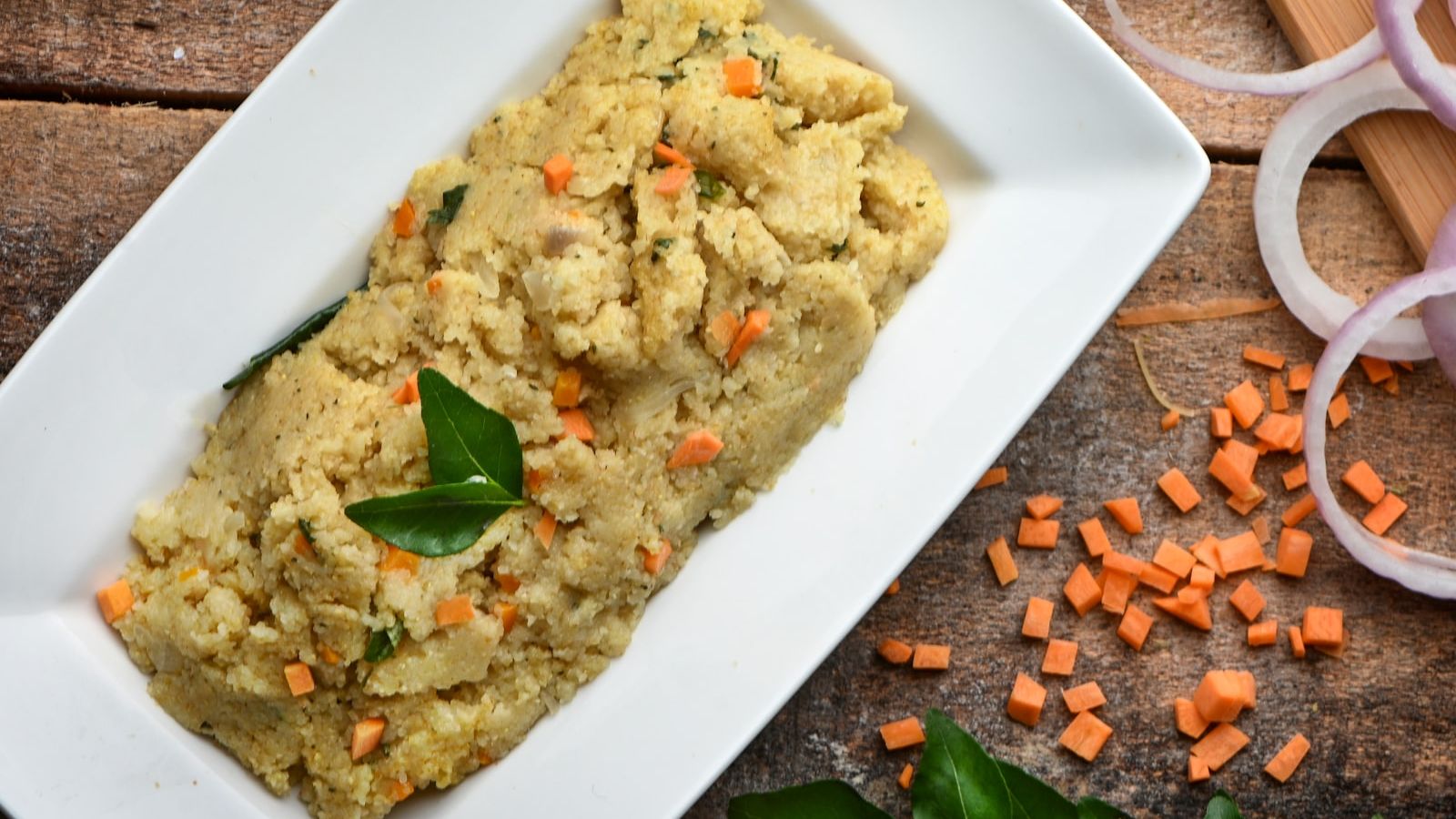
The short answer: Poha is okay for diabetes only if you fix how you make it. Plain poha is flattened rice - a medium-to-high glycemic carbohydrate with little protein - so a big bowl of plain poha will spike blood sugar. But a small portion loaded with vegetables and peanuts, plus a protein side like a boiled egg or a bowl of curd, becomes a genuinely diabetes-friendly breakfast. Portion and protein are everything.
"Poha is not the villain people think it is - but plain poha eaten as a big bowl on its own is a plate of refined carbohydrate. The fix is simple: shrink the poha, pile on the vegetables and peanuts, and add a protein on the side. Then it works." - Dt. Trishala Goswami, MSc Clinical Nutritionist, Certified Diabetes Educator
Why plain poha spikes blood sugar
Poha is made from parboiled rice that has been flattened. It is refined - most of the fibre and much of the resistance to digestion is gone - so on its own it behaves like white rice: quick to raise blood sugar, and low in the protein that would slow that rise. A typical restaurant-style bowl is also a large portion, which multiplies the effect.
How to make poha diabetes-friendly
The good news is that poha is a blank canvas. Four changes turn it from a spike into a balanced meal:
- Shrink the portion. Use half the poha you normally would - about a cup cooked, not a large bowl.
- Load the vegetables. Onion, peas, carrot, capsicum, tomato - the more the better. Vegetables add fibre and volume, lowering the glycemic load.
- Add protein. Extra peanuts, a handful of roasted chana, or - even better - a boiled egg or a bowl of curd on the side. Protein is what blunts the spike.
- Finish with lemon and a short walk. A squeeze of lemon and a 10-15 minute post-meal walk both help your glucose response.
The verdict
Poha is not a "superfood" for diabetes, but it is not banned either. Made small, vegetable-heavy, and paired with protein, poha is a reasonable diabetic breakfast. Made as a large bowl of plain flattened rice, it is not. For breakfasts that need less adjusting, see the best Indian breakfasts for diabetics.
This article is general nutrition guidance, not a substitute for your doctor's advice.
Related reading
References
- Indian Council of Medical Research - National Institute of Nutrition (ICMR-NIN). Nutritive Value of Indian Foods.
- American Diabetes Association. Standards of Care in Diabetes: nutrition therapy. diabetes.org
Frequently asked questions
Can diabetics eat poha?
Yes, diabetics can eat poha if it is made the right way: a small portion, loaded with vegetables and peanuts, and eaten with a protein side like a boiled egg or curd. Plain poha in a large bowl is mostly refined carbohydrate and will raise blood sugar, so portion and protein pairing are essential.
Is poha better than upma for diabetes?
Both are similar - refined-carbohydrate breakfasts (flattened rice vs semolina) that need the same fixes: small portion, lots of vegetables, and a protein source. Neither is inherently better; what matters is how you build the plate. A besan cheela or moong dal chilla is a naturally higher-protein, lower-GI choice than either.
Does poha increase blood sugar?
Plain poha does increase blood sugar because it is refined flattened rice with little protein or fibre. Adding vegetables and a protein source, and keeping the portion small, significantly reduces the rise. Eaten as a large plain bowl, poha behaves much like white rice.
Which poha is best for diabetes?
Thick red or brown poha is slightly better than thin white poha because it retains more fibre. But the bigger levers are portion size, vegetables, and a protein side - these matter more than the type of poha you choose.
MSc Clinical Nutritionist · Diabetes Educator · Certified Nutrigenomics Specialist
Dt. Trishala Goswami is a clinical nutritionist and certified diabetes educator who designs personalized, science-backed nutrition programs for clients across India and abroad. She specializes in diabetes, PCOS, gut health, and nutrigenomics.
More about Dt. TrishalaWant a personalised Diabetes plan?
Articles can’t replace personalised care. Book a 30-min consultation with Dt. Trishala.
Living outside India? See how online consultations work for NRIs & global clients →
Related reads
Diabetes and Kidney Disease: An Indian Diet Guide for Both
Diabetes is the leading cause of kidney disease, yet the two diets contradict each other on rice, dal, millets and protein. A clinical nutritionist explains how to manage both on an Indian plate - and why the renal rules usually win.
Diabetes Diet for Elderly Indians: Softer Food, Weaker Appetite, More Medicines
Diabetes advice written for a 45-year-old can be actively harmful at 75. A Certified Diabetes Educator explains what changes with age - relaxed targets, higher protein needs, softer textures, and why tight control becomes the wrong goal.
Eating With More Than One Condition: An Indian Guide
Most diet advice assumes you have one condition. Real people have two or three, and the advice contradicts itself. A clinical nutritionist explains the five rules for resolving those conflicts - and applies them to the combinations Indians face most.