Ozempic and the Bollywood Weight-Loss Wave: A Clinical Nutritionist's Honest Take

"Every time a public figure loses a lot of weight, the first question I hear is 'Was it Ozempic?' In my clinic, I try to move people past that question. Medication is one tool, and for the right person under medical supervision it is a real one. But it never replaces the daily work of eating well, building muscle, and sleeping enough. Whether or not someone uses a drug, nutrition is still the foundation." - Dt. Trishala Goswami, MSc Clinical Nutritionist, Certified Diabetes Educator
Open any feed in 2026 and you will see the same conversation. A celebrity appears noticeably leaner, and within hours the comments fill with one word: Ozempic. The speculation has become almost reflexive. Recently, filmmaker Karan Johar publicly clarified that his own visible weight loss was not the result of Ozempic at all, but of treating underlying health issues that showed up in his blood tests. That clarification is a useful reminder. Dramatic weight loss is not always a drug, and it is not our job as observers to diagnose anyone from a photograph.
So let us set the gossip aside and do something more useful. Let us understand what this medication actually is, who it can genuinely help, what the headlines tend to leave out, and what sustainable weight loss looks like with everyday Indian food.
What Ozempic and Semaglutide Actually Are
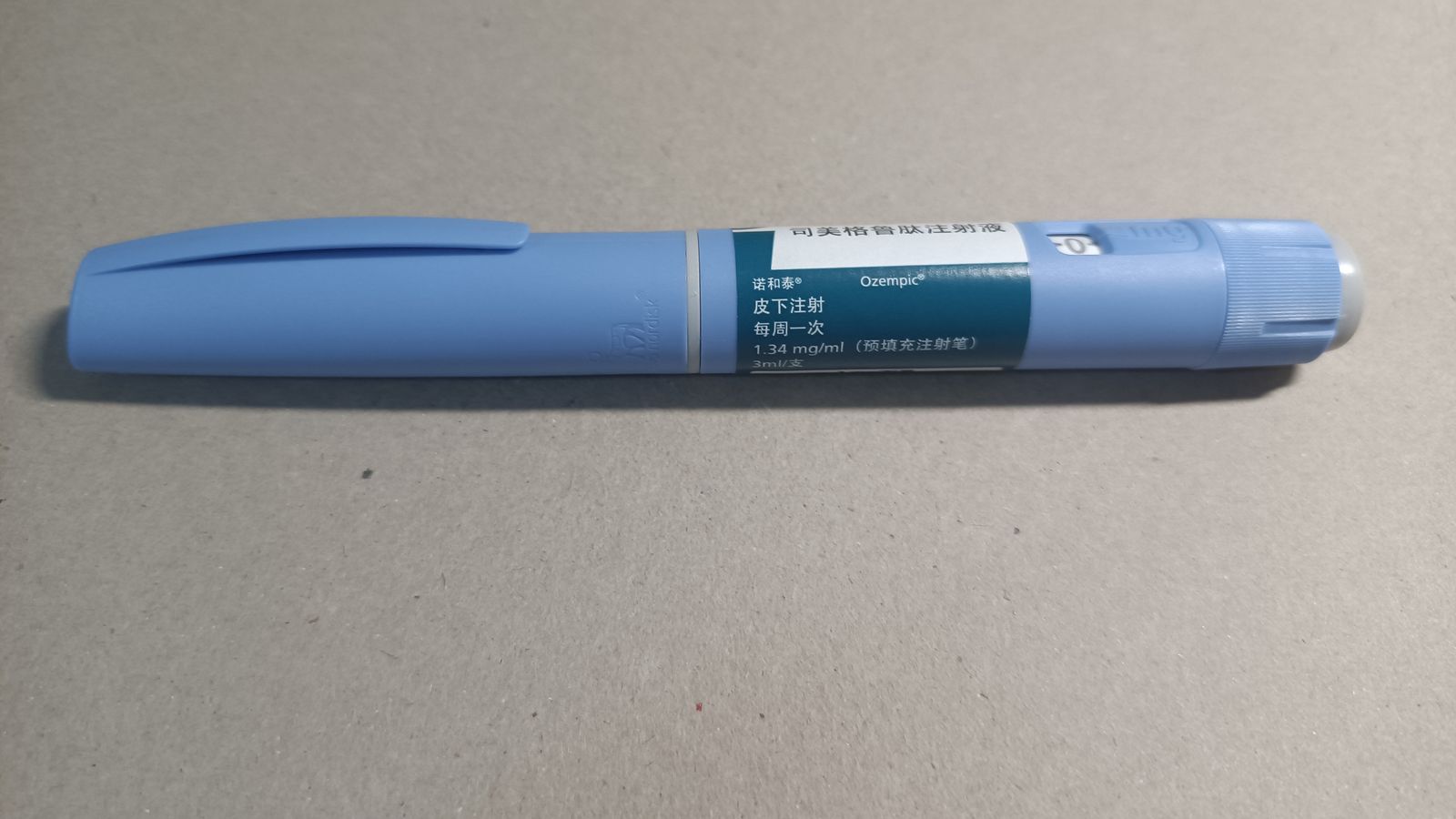
Ozempic is a brand name for semaglutide, a medication in a class called GLP-1 receptor agonists. It was originally developed and approved to help manage blood sugar in people with Type 2 diabetes. GLP-1 is a hormone your gut naturally releases after you eat. These medications mimic that hormone.
In simple terms, semaglutide does two main things. It slows down how quickly your stomach empties, so you feel full for longer. And it acts on appetite signals in the brain, so you feel hungry less often. The combined effect is that people tend to eat less without the constant white-knuckle effort that usually comes with cutting back. Because weight loss followed naturally for many users, a higher-dose version was later approved specifically for weight management in people with obesity.
The mechanism is well established in research, and bodies like the American Diabetes Association recognise GLP-1 medications as a legitimate part of diabetes care. This is not fringe science. It is a real medical advance.
Why It Is Suddenly Everywhere
Three things collided. The medication became widely talked about globally. A wave of public figures appeared visibly slimmer. And social media loves a simple, dramatic explanation.
The result is that any noticeable transformation now triggers the same guessing game. This is exactly why the Karan Johar example matters. He told the public his change came from addressing health issues flagged in blood work, not from Ozempic. We should take people at their word, because the alternative is accusing individuals of something private based on nothing but a side-by-side photo. That is neither fair nor clinically honest.
The bigger problem with the guessing game is that it flattens a complex topic into a yes-or-no rumour. Real weight change can come from medication, yes, but also from treating a thyroid issue, managing insulin resistance, recovering from an illness, changing eating patterns, or starting strength training. You can read more about that metabolic side of things in the science of type 2 diabetes reversal.
The Honest View: A Tool, Not a Shortcut
Here is where I want to be balanced, because both extremes are wrong.
For a person living with obesity or Type 2 diabetes, prescribed and monitored by a doctor, GLP-1 medication can be a legitimate and even life-changing tool. For some patients, years of effort had not moved the needle, and this medication finally gave them a foothold. Dismissing it as cheating ignores the reality that obesity is a medical condition with biological drivers, not simply a failure of willpower.
At the same time, it is not a vanity shortcut, and it is not for everyone. It is a prescription medication with real effects on the body, intended for specific medical situations. Someone who is at a healthy weight and wants to drop a few kilos before an event is not the right candidate, and chasing it for that reason is genuinely risky.
The right framing is this: medication can lower the appetite hurdle, but it does not do the food work for you.
What Most Coverage Gets Wrong
Most online coverage treats this medication as either a miracle or a villain. The truth is duller and more useful: it is a tool with trade-offs.
Here is what often gets left out of the headlines:
- Muscle loss. When you lose weight quickly, some of that loss can be muscle, not just fat, especially if protein intake is low and you are not doing any strength training. Losing muscle slows your metabolism and weakens you over time. The food and exercise work is what protects your muscle.
- Weight regain. Appetite tends to return when people stop the medication. Without new eating habits in place, the weight frequently comes back. The medication manages appetite while you take it. It does not rewire your relationship with food.
- Real side effects. Nausea, vomiting, constipation, and digestive discomfort are common, and there are more serious considerations that a doctor must weigh for each individual.
- No habit-building. The medication does not teach anyone what a balanced plate looks like, how to cook protein-rich dal, or why to walk after dinner. Those skills still have to be learned.
This is the part I cannot stress enough. Even with the appetite hurdle lowered, the everyday nutrition work is what makes results last.
Ozempic Versus Sustainable Nutrition
| GLP-1 Medication (e.g. Ozempic) | Sustainable Nutrition | |
|---|---|---|
| **How it works** | Slows digestion, reduces appetite via hormone signals | Builds lasting habits around protein, fibre, portions, movement |
| **Who it is for** | People with obesity or Type 2 diabetes, under medical supervision | Everyone, at every stage |
| **What it does well** | Lowers the appetite hurdle quickly | Protects muscle, energy, and long-term health |
| **The catch** | Side effects, possible muscle loss, regain after stopping, cost | Slower, requires consistency and patience |
| **Teaches food skills?** | No | Yes, this is the whole point |
| **Best used as** | A medical tool when indicated | The non-negotiable foundation, with or without medication |
The key insight from this table is that the two columns are not rivals. For a patient who is prescribed medication, the right-hand column is what makes it work and what carries the results forward once the prescription ends.
What Sustainable Weight Loss Actually Looks Like With Indian Food
You do not need imported foods or extreme restriction. You need a few principles applied consistently to the food you already eat.
- Protein at every meal. Aim to anchor each plate with protein: dal, rajma, chana, paneer, curd, eggs, fish, chicken, or soya. Protein keeps you full, steadies your appetite, and protects muscle while you lose fat.
- Fibre first. Start meals with a vegetable sabzi or salad before the rice or roti. Fibre slows digestion and softens blood-sugar spikes. Our guide to the best foods to lower blood sugar goes deeper here.
- Portion control, not deprivation. You can keep rice and roti. The goal is right-sizing the plate: more vegetables and protein, a moderate amount of grain.
- Strength training. Two or three sessions a week, even with bodyweight or simple resistance, signal your body to keep its muscle. This is the single most overlooked piece.
- Walk after meals. A ten to fifteen minute walk after lunch or dinner helps your body handle that meal's sugar load. Easy, free, and effective.
- Sleep. Poor sleep raises hunger hormones and cravings the next day. Protecting your sleep is genuinely part of weight management.
If insulin resistance is part of your picture, a structured plan helps. See our insulin resistance 7-day Indian meal plan, and for those managing blood sugar alongside weight, The Complete Indian Diabetes Diet Guide.
The Bottom Line
Whether or not someone uses weight-loss medication is a decision for them and their doctor, full stop. It can be a legitimate medical tool for the right person, and it is not a moral failing to use it. It is also not a magic wand, and it does not erase the need for good food and movement.
Nutrition is the foundation either way. With medication, sound nutrition protects your muscle and makes the results last. Without it, sound nutrition is the work itself. Either path runs through the same kitchen. For one widely-discussed example and what he has actually said, see Karan Johar's weight loss: Ozempic or diet?
This article is general education, not medical advice. Any decision about weight-loss medication must be made with your doctor.
Related reading
Eating on a GLP-1 - the practical guides:
Disclaimer
This article references publicly reported statements and is provided for general educational purposes only. Yogyaahar and Dt. Trishala Goswami are not affiliated with, authorised by, or endorsed by any public figure mentioned, and nothing here implies a professional relationship or endorsement. It is general information, not personal medical advice. Please consult a qualified clinician for your own care.
Frequently asked questions
Is Ozempic a safe way to lose weight?
For people with obesity or Type 2 diabetes, prescribed and monitored by a doctor, GLP-1 medications are an established medical tool. They also carry real side effects and considerations that vary from person to person. Safety depends entirely on it being the right medication for the right individual under proper supervision, which is a conversation for you and your doctor, not the internet.
Did Karan Johar use Ozempic for his weight loss?
He has publicly clarified that his weight loss was not from Ozempic, but the result of treating underlying health issues identified through blood tests. The broader point is that dramatic weight change is not always a drug. Thyroid issues, insulin resistance, illness recovery, and lifestyle changes can all produce visible results.
Will I regain the weight if I stop taking Ozempic?
Appetite typically returns when people stop the medication, and without new eating and exercise habits in place, weight regain is common. This is exactly why the nutrition work matters so much. The habits you build are what carry results forward once any medication ends.
Can I lose weight without medication?
Yes. For most people, sustainable weight loss comes from protein at every meal, fibre first, sensible portions, strength training, walking after meals, and good sleep. These principles work with everyday Indian food and do not require extreme restriction. Medication is one option for specific medical situations, not a requirement for everyone.
Does Ozempic cause muscle loss?
Rapid weight loss can include muscle loss, not just fat, particularly when protein intake is low and there is no strength training. This is why anyone losing weight, with or without medication, should prioritise adequate protein and resistance exercise to protect muscle and keep their metabolism healthy. For how to do this on an Indian diet with a suppressed appetite, see our full guide to [protein on GLP-1 to prevent muscle loss](/blog/protein-on-glp1-indian-diet-muscle-loss). **Want a sustainable plan built around Indian food?** Explore our [weight-loss program](/services/weight-loss) with Dt. Trishala Goswami, or read [online vs in-person dietitian](/blog/online-vs-in-person-dietitian-india).
MSc Clinical Nutritionist · Diabetes Educator · Certified Nutrigenomics Specialist
Dt. Trishala Goswami is a clinical nutritionist and certified diabetes educator who designs personalized, science-backed nutrition programs for clients across India and abroad. She specializes in diabetes, PCOS, gut health, and nutrigenomics.
More about Dt. TrishalaWant a personalised Weight Loss plan?
Articles can’t replace personalised care. Book a 30-min consultation with Dt. Trishala.
Living outside India? See how online consultations work for NRIs & global clients →
Related reads
Calories and Protein in Indian Foods: Roti, Rice, Dal, Idli, Poha and More
One roti, one bowl of rice, one katori of dal: a clinical nutritionist's table of calories and protein for 50+ everyday Indian foods, per piece and per bowl, with the portion sizes spelled out so the numbers mean something.
Coming Off Ozempic or Mounjaro Without Regaining: An Indian Diet Plan
Studies show most people regain much of the weight after stopping a GLP-1. A Certified Diabetes Educator explains why - and how to hold your results with an Indian diet, the right protein, and habits that outlast the medication.
Protein on Ozempic and Mounjaro: Preventing Muscle Loss on an Indian Diet
GLP-1 drugs like Ozempic and Mounjaro suppress appetite so completely that many people lose muscle along with fat. A Certified Diabetes Educator explains how to protect muscle by hitting protein targets on an Indian diet, even when you can barely eat.