Turmeric and Curcumin: How Much Do You Really Need?

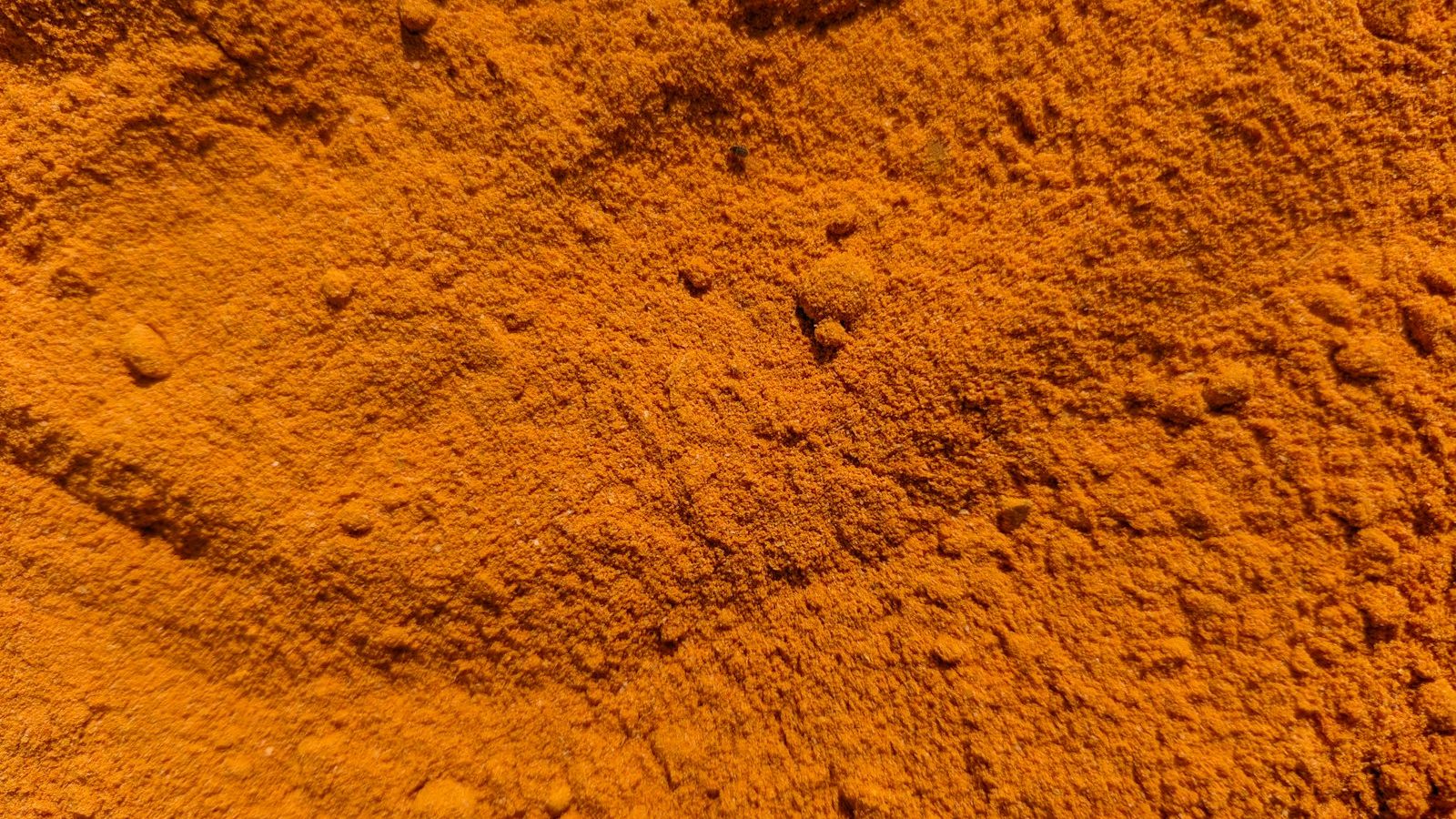
"We have been cooking with turmeric for thousands of years. The research confirms what our grandmothers knew - but the nuance of how much, in what form, and for which conditions matters more than headlines suggest." - Dt. Trishala Goswami, MSc Clinical Nutritionist
India produces 80% of the world's turmeric and consumes most of it domestically. Every Indian kitchen uses haldi daily - in dal, sabzi, rice, milk, and even wound care. Yet curcumin supplements have become a multi-billion dollar industry globally, with claims ranging from anti-cancer properties to Alzheimer's prevention.
This creates confusion for my clients: if they already eat turmeric daily, do they need supplements? Is kitchen turmeric providing therapeutic benefits? And how much curcumin actually reaches their bloodstream from that pinch of haldi in their dal?
The answers involve understanding a critical distinction between turmeric (the whole spice) and curcumin (the active compound within it), absorption challenges that limit bioavailability, and the difference between preventive and therapeutic dosing.
Table of Contents
Turmeric vs. Curcumin: The Critical Distinction
Turmeric (Curcuma longa) is the whole rhizome - containing hundreds of compounds including curcuminoids, volatile oils (turmerone, atlantone), fiber, and minerals. Curcumin is the primary curcuminoid, comprising only 2-5% of turmeric by weight. This means that 1 teaspoon (approximately 3g) of turmeric powder contains only 60-150mg of curcumin.
Most clinical trials showing dramatic anti-inflammatory or disease-modifying effects use isolated curcumin at doses of 500-2,000mg daily - equivalent to eating 10-40 teaspoons of turmeric powder daily, which is neither practical nor palatable.
However, this does not mean kitchen turmeric is worthless. The whole spice contains compounds beyond curcumin that have independent biological activity. Turmerone, for example, has demonstrated neuroprotective effects in research by Park et al. (2012) in Stem Cell Research and Therapy. The volatile oils in turmeric also enhance curcumin absorption when consumed together - a synergy lost in isolated curcumin supplements.
The Bioavailability Problem
Even when you consume curcumin, very little reaches your bloodstream. Curcumin has notoriously poor bioavailability - it is poorly absorbed from the gut, rapidly metabolized by the liver, and quickly eliminated from the body.
Anand et al. (2007) in Molecular Pharmaceutics reported that even at high oral doses, curcumin blood levels remain extremely low without absorption-enhancing strategies. This has been called the "curcumin paradox" - how can a compound with such poor bioavailability produce the effects observed in epidemiological studies of turmeric-consuming populations?
Several explanations have been proposed: curcumin may exert local effects in the gut without needing systemic absorption (relevant for gut health and colon cancer prevention). The whole turmeric matrix enhances absorption compared to isolated curcumin. Traditional Indian preparation methods (cooking in oil, pairing with black pepper) significantly improve bioavailability. And chronic low-dose exposure over decades (as in daily Indian cooking) may be more relevant than acute high-dose supplementation.
What Research Actually Shows Curcumin Can Do
The evidence base for curcumin is extensive but varies in quality across conditions:
Strong evidence (multiple RCTs): Joint inflammation and osteoarthritis pain - Henrotin et al. (2019) in Trials confirmed curcumin reduced joint pain and inflammation comparable to NSAIDs in some studies. Inflammatory markers - meta-analyses consistently show curcumin reduces CRP, IL-6, and TNF-alpha. Metabolic syndrome components - improved insulin sensitivity, lipid profiles, and oxidative stress markers.
Moderate evidence (smaller trials, promising): Depression - Lopresti et al. (2014) in the Journal of Affective Disorders found curcumin supplementation improved depressive symptoms. Gut health - local anti-inflammatory effects support IBS and ulcerative colitis management. PCOS-related inflammation - preliminary evidence for metabolic improvement.
Preliminary evidence (mostly preclinical): Cancer prevention (strong animal data, limited human trials). Alzheimer's disease prevention. Liver protection.
A critical review by Nelson et al. (2017) in the Journal of Medicinal Chemistry raised important concerns that curcumin's apparent activity in laboratory assays may be partly artifactual - it interferes with many assay systems, potentially creating false-positive results. This means some of the most exciting laboratory findings may not translate to human benefits. The clinical trial data (actual human studies) is more reliable than preclinical data for curcumin specifically.
How Much Does Cooking Turmeric Provide?
The average Indian consumes approximately 1.5-2g of turmeric powder daily through cooking. This provides roughly 30-100mg of curcumin - well below therapeutic supplement doses but potentially sufficient for baseline anti-inflammatory and preventive effects, especially given the absorption-enhancing context of Indian cooking (oil, black pepper, heat).
What your daily haldi provides:
Volatile oils with independent anti-inflammatory and antimicrobial properties. A modest but consistent dose of curcuminoids in a food matrix that enhances absorption. Fiber and minerals from the whole rhizome. Local gut-protective effects as curcumin contacts intestinal cells directly.
This daily culinary dose likely contributes to the lower rates of certain inflammatory conditions observed in traditional Indian populations - a hypothesis supported by epidemiological data showing lower Alzheimer's rates in rural India compared to Western populations (Ganguli et al., 2000, Archives of Neurology).
There is also growing evidence that the whole turmeric matrix - not just curcumin - provides benefits that isolated supplements miss. A study by Antony et al. (2008) in the Indian Journal of Pharmaceutical Sciences showed that turmeric essential oils enhanced curcumin's bioavailability by 7-8 fold when consumed together, as occurs naturally in the whole spice. This suggests that the reductionist approach of isolating curcumin may sacrifice synergistic benefits that the whole spice provides. The traditional Indian approach of using whole turmeric in cooking may be more pharmacologically sophisticated than simply swallowing a curcumin capsule.
For individuals interested in maximizing turmeric's preventive potential through cooking alone, increasing daily intake from the typical half teaspoon to one full teaspoon (approximately 3-5g turmeric) - consistently cooked with fat and black pepper - provides a meaningful curcumin dose of 90-250mg daily in a highly bioavailable matrix. This level of daily intake has been standard in many South Indian and Southeast Asian cuisines for centuries without adverse effects.
When Supplements Are Justified
Not everyone needs curcumin supplements. Kitchen turmeric is sufficient for general health maintenance in healthy individuals. However, supplementation becomes relevant for:
Active inflammatory conditions: Rheumatoid arthritis, osteoarthritis, inflammatory bowel disease, or any condition driven by chronic inflammation where anti-inflammatory support above cooking levels is desired.
Metabolic syndrome: When CRP, insulin resistance, and lipid markers are elevated and therapeutic-dose curcumin can complement dietary and lifestyle changes.
Post-injury or surgical recovery: Higher-dose curcumin supports inflammation resolution and tissue repair during active recovery.
Depression with inflammatory markers: When depression co-occurs with elevated CRP (suggesting an inflammatory component), curcumin supplementation has demonstrated adjunctive benefit.
Choosing a supplement: Look for enhanced bioavailability formulations - piperine-enhanced curcumin (increases absorption 2,000% per Shoba et al., 1998, Planta Medica), liposomal curcumin, or nano-curcumin formulations. Standard curcumin extract without enhancement provides minimal blood levels. Typical therapeutic dose: 500-1,000mg curcumin (not turmeric) daily from a bioenhanced formulation.
Duration of supplementation: Most clinical trials showing benefit ran for 8-12 weeks minimum. Do not expect overnight results from curcumin - anti-inflammatory effects build gradually. I recommend a minimum 3-month trial at consistent therapeutic doses before assessing whether supplementation is providing benefit. Improvements in joint pain and stiffness are typically noticed first (within 4-6 weeks), followed by improvements in inflammatory markers on blood work (8-12 weeks).
Timing of supplementation: Take curcumin supplements with meals - specifically meals containing fat. Some practitioners recommend splitting the dose (500mg morning and 500mg evening with meals) rather than taking the full dose at once, as this maintains more consistent blood levels throughout the day. For joint health specifically, taking the evening dose with dinner may support overnight recovery when inflammatory processes are naturally more active.
Maximizing Absorption from Kitchen Turmeric
Traditional Indian cooking methods already incorporate several absorption-enhancing strategies:
Black pepper (piperine): Even a small pinch of black pepper increases curcumin absorption by approximately 2,000%. Most Indian dishes include black pepper in their masala - this pairing is not coincidental; it represents centuries of empirical observation.
Cooking in fat: Curcumin is fat-soluble. Dissolving turmeric in ghee or oil during tadka significantly improves absorption compared to adding dry turmeric powder to water-based preparations. The traditional practice of heating turmeric in ghee before adding other ingredients maximizes this effect.
Heat: Gentle heating improves curcumin solubility and may enhance certain biological activities, though prolonged high heat can degrade some compounds. The typical tadka temperature and duration is optimal.
Golden milk done right: Traditional haldi doodh (warm milk with turmeric) works because milk fat provides the lipid vehicle for absorption. For maximum benefit: warm whole milk (or coconut milk), add 1/2 teaspoon turmeric, a generous pinch of black pepper, and a teaspoon of ghee or coconut oil.
Fresh turmeric root (kachchi haldi): When available seasonally, fresh turmeric provides curcumin in its natural matrix along with volatile oils that enhance absorption. Grate fresh turmeric into smoothies, add to vegetable juices, or include thin slices in pickle preparations. Fresh turmeric juice (one inch root grated and squeezed with a tablespoon of water) consumed with a pinch of black pepper and a few drops of coconut oil provides a concentrated therapeutic dose without the need for any supplement. In my practice, clients who use fresh turmeric consistently during its season (approximately October through February in most of India) often report noticeable improvements in joint comfort and energy levels.
Turmeric paste (golden paste): A preparation gaining popularity involves cooking turmeric powder with water, black pepper, and coconut oil into a thick paste that can be stored in the refrigerator for two weeks. This paste can be added to warm milk, stirred into soups, spread on toast, or mixed into dressings. The cooking process with fat and pepper in concentrated form creates a bioavailable preparation that can be used conveniently throughout the day. One teaspoon of golden paste with each meal provides consistent curcumin exposure that mimics the steady-state levels seen in clinical trials - potentially more effective than the intermittent spikes from occasional cooking use.
Safety and Interactions
Turmeric in culinary amounts is universally safe and has been consumed for millennia without adverse effects. However, at supplement doses, certain precautions apply:
Blood thinning: High-dose curcumin has antiplatelet effects. If you are on blood thinners (warfarin, aspirin), discuss supplementation with your doctor. Discontinue high-dose supplements 2 weeks before surgery.
Gallbladder stimulation: Curcumin stimulates bile production. This is beneficial for most people but can trigger issues in those with gallstones or bile duct obstruction.
Iron absorption: High-dose curcumin may inhibit iron absorption if taken simultaneously. For those with iron deficiency, separate curcumin supplements from iron-rich meals by 2 hours.
Pregnancy: Culinary turmeric is safe during pregnancy. Supplement-dose curcumin has not been adequately studied in pregnancy - avoid high-dose supplements as a precaution.
Kidney stones: Very high doses over prolonged periods increase urinary oxalate excretion, potentially contributing to calcium oxalate stones in susceptible individuals.
Turmeric Quality: What to Look For
Not all turmeric is equal. The quality of your haldi directly affects the curcumin content and therefore the health benefit you receive.
Adulteration is a real problem in India. The spice board has documented cases of turmeric adulterated with lead chromate (for brighter color), metanil yellow dye, and chalk powder. A study by Hore et al. (2019) in Environmental Research found detectable lead levels in turmeric samples from several Indian states - a serious public health concern since lead is a neurotoxin.
How to identify quality turmeric: Choose whole dried turmeric rhizomes (sabut haldi) and powder them at home when possible - adulteration is harder with whole spices. If buying powder, purchase from trusted sources and test at home: add a teaspoon to a glass of warm water - pure turmeric settles at the bottom while adulterants may create a colored solution. Look for the FSSAI mark and AGMARK certification on packaged turmeric.
Lakadong turmeric from Meghalaya is worth mentioning - it contains 7-9% curcumin compared to the typical 2-3% in most commercial turmeric varieties. While more expensive, it provides 2-3 times more active compound per teaspoon. If you are using turmeric therapeutically (rather than just for flavor), investing in higher-curcumin varieties makes a measurable difference.
Storage matters. Curcumin degrades with light exposure. Store turmeric powder in opaque, airtight containers away from direct sunlight. Fresh turmeric root (kachchi haldi) - used in some regional preparations, pickles, and juices - provides curcumin in its natural matrix with better stability.
For clients who want therapeutic benefit from kitchen turmeric rather than supplements, I recommend using Lakadong or similar high-curcumin variety, always with black pepper and fat, and increasing daily usage from the typical pinch to half a teaspoon per meal - achieving 150-300mg curcumin daily through cooking alone.
Common Myths and Misconceptions About Turmeric
Myth: "All turmeric supplements are the same." They are not. Curcumin bioavailability varies enormously between formulations. A standard 500mg curcumin capsule without enhancement may deliver less than 5mg to your bloodstream, while a piperine-enhanced or liposomal version of the same dose delivers 50-100mg. The supplement market is flooded with inexpensive formulations that provide minimal therapeutic value - always verify that your supplement uses a bioenhanced delivery system.
Myth: "Turmeric milk (haldi doodh) is just a trend." Golden milk is thousands of years old in Indian Ayurvedic tradition. Its resurgence in Western wellness culture as "turmeric latte" sometimes obscures its genuine traditional roots. The traditional Indian preparation - warm whole milk, turmeric, black pepper, and ghee - is pharmacologically sound. The fat in milk and ghee provides the lipid vehicle for curcumin absorption, the pepper provides piperine, and the warmth improves solubility. However, café-style turmeric lattes made with skim milk, no pepper, and a decorative sprinkle of turmeric provide negligible therapeutic benefit.
Myth: "If turmeric is anti-inflammatory, more is always better." The dose-response curve for curcumin is not linear. Very high doses (above 8,000mg daily) have been associated with gastrointestinal side effects including nausea, diarrhea, and abdominal discomfort. Furthermore, the anti-inflammatory benefits plateau at moderate therapeutic doses - doubling from 1,000mg to 2,000mg does not double the benefit. Research by Lao et al. (2006) in BMC Complementary and Alternative Medicine documented dose-escalation studies showing that doses above 8g daily were poorly tolerated, while 4-6g showed equivalent efficacy to higher doses in most inflammatory conditions.
Myth: "Turmeric can replace anti-inflammatory medications." For mild inflammatory conditions and general wellness, turmeric may be sufficient. But for acute inflammatory flares, severe autoimmune conditions, or high-grade inflammation, curcumin should complement rather than replace prescribed medications. I never advise clients to discontinue their medications in favor of turmeric - instead, we use curcumin as adjunctive support and reassess medication needs with their prescribing physician as inflammation markers improve.
Key Takeaways
Turmeric (whole spice) and curcumin (isolated active compound) are not interchangeable - curcumin is only 2-5% of turmeric by weight. Daily Indian cooking provides 30-100mg curcumin - sufficient for general preventive benefits but below therapeutic doses used in clinical trials. Bioavailability is the key challenge - always pair turmeric with black pepper (2,000% absorption increase) and fat (ghee, oil) for meaningful blood levels. Traditional Indian cooking methods (tadka in oil with pepper) already optimize curcumin absorption - our ancestors figured this out empirically. Supplements are justified for active inflammatory conditions, metabolic syndrome, and specific clinical situations - not for everyone as routine. Choose bioenhanced formulations (piperine-enhanced, liposomal) if supplementing - standard curcumin extract has minimal absorption. Kitchen turmeric is not just about curcumin - the whole spice contains volatile oils and other compounds with independent health benefits. Curcumin in culinary amounts is universally safe; supplement doses require awareness of interactions with blood thinners and certain conditions.
Turmeric is one piece of a bigger picture - see the full ranked list of the best anti-inflammatory Indian foods.
Want personalized anti-inflammatory nutrition guidance for your specific condition?
Book a consultation with Dt. Trishala Goswami on WhatsApp: Click here to book
Medical Disclaimer: This article is for educational purposes only. Curcumin supplements can interact with certain medications, particularly blood thinners and diabetes medications. Please consult your physician before starting high-dose curcumin supplementation, especially if you are on any medications or have gallbladder disease.
Want a plan built around your body and your food? Explore our nutrition programs with Dt. Trishala Goswami.
MSc Clinical Nutritionist · Diabetes Educator · Certified Nutrigenomics Specialist
Dt. Trishala Goswami is a clinical nutritionist and certified diabetes educator who designs personalized, science-backed nutrition programs for clients across India and abroad. She specializes in diabetes, PCOS, gut health, and nutrigenomics.
More about Dt. TrishalaWant a plan built around you?
Articles can’t replace personalised care. Book a 30-min consultation with Dt. Trishala.
Living outside India? See how online consultations work for NRIs & global clients →
Related reads
How to Eat Healthy Indian Food Abroad: An NRI Guide
Moved abroad and struggling to eat the Indian way without fresh sabzi on every corner? A clinical nutritionist's practical guide for NRIs: the grocery staples to stock, smart local swaps, and how to build a balanced Indian plate anywhere in the world.
Coconut Oil vs Mustard Oil vs Groundnut Oil: Which Is Healthiest?
A clinical nutritionist breaks down the fatty acid profiles, smoke points, and health claims of India's three most popular cooking oils to help you choose wisely.
Jaggery vs Sugar: Is Gur Really a Healthier Alternative?
A clinical nutritionist debunks the biggest myth in Indian kitchens - that replacing sugar with jaggery makes your diet healthy - and reveals what the science actually says.