The Best Foods for Gut Health: An Indian Dietitian's List

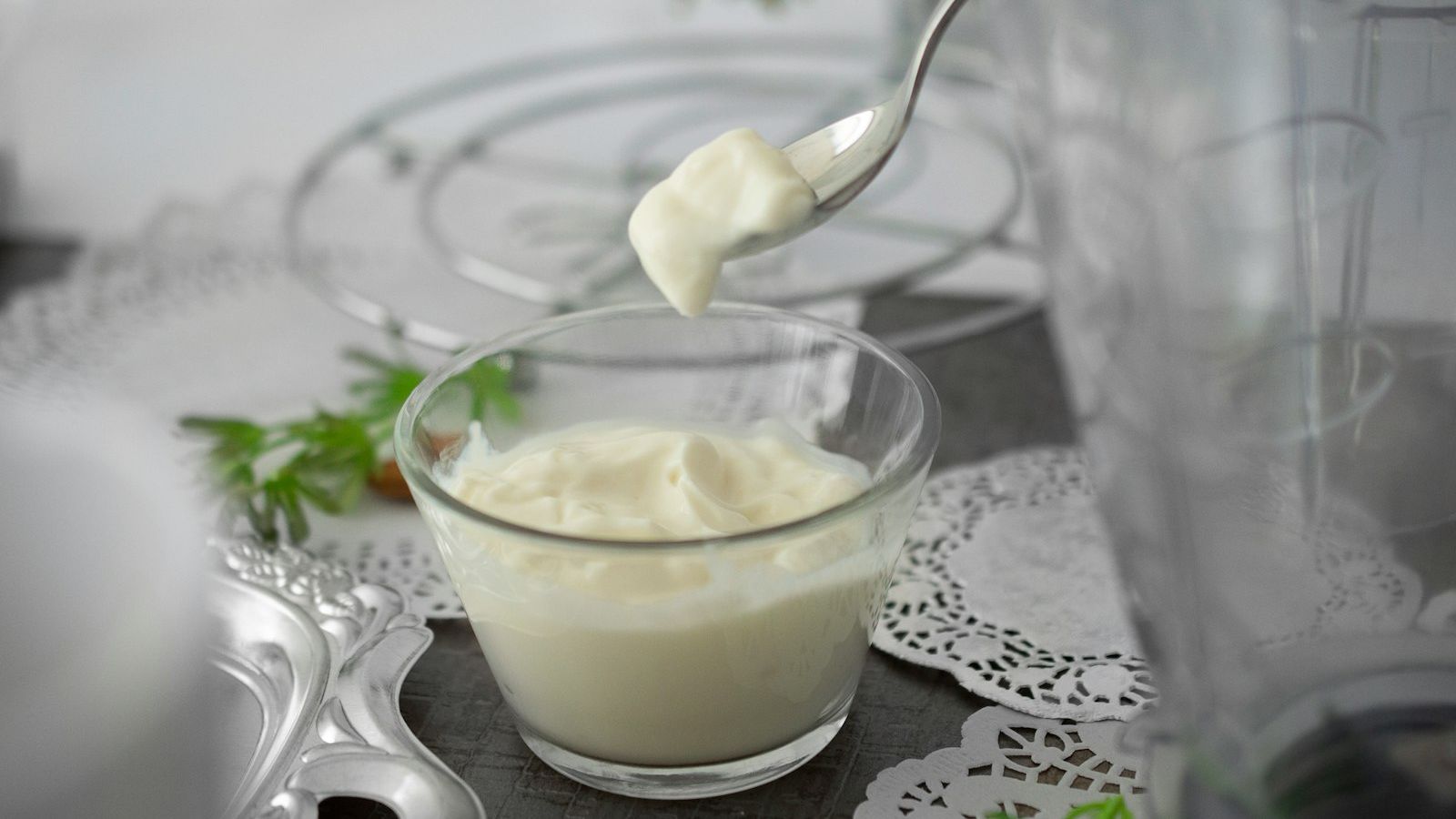
"People reach for a probiotic capsule when their kitchen already holds better tools. A bowl of homemade dahi has live cultures in numbers a supplement struggles to match, at a fraction of the cost. When a client trades packaged snacks for fermented and fibre-rich Indian food, the bloating and irregularity usually settle within two to three weeks - I have seen it again and again." - Dt. Trishala Goswami, MSc Clinical Nutritionist
A client - let us call her Devika, 35 - came in with daily bloating, unpredictable digestion, and a shelf full of half-finished probiotic bottles. Her diet was low in fibre and heavy on refined, packaged food. We did not add a single supplement. We brought back dahi and chaas at meals, added a fibre-rich dal and more vegetables, and worked in fermented foods and a daily prebiotic. Within three weeks the bloating had eased and her digestion was steady for the first time in months.
A strong gut is built from everyday Indian food eaten consistently, not from a capsule.
Why "Best for the Gut" Means Fibre + Ferments
Your gut microbiome - the trillions of bacteria in your digestive tract - thrives on two things: fibre to feed the good bacteria (prebiotics) and live cultures to add good bacteria (probiotics). Most modern Indian diets are short on both: low fibre from refined grains and few vegetables, and fewer fermented foods than a generation ago. A food earns a place on this list when it does one of these, ideally both. For the full picture of how these two work together, see probiotics vs prebiotics - what your gut actually needs.
The Best Foods for Gut Health
1. Dahi (Homemade Curd)
Why it works: Freshly set homemade dahi is one of the richest, cheapest sources of live cultures available - genuinely probiotic. It adds beneficial bacteria, protein, and calcium, and pairs with almost any Indian meal. Choose plain, unsweetened dahi; the flavoured and "fruit" versions add sugar that works against the gut.
2. Chaas and Lassi (Plain Buttermilk)
Why they work: Plain chaas carries the same live cultures as dahi in an easy-to-digest, cooling form, plus it aids digestion after a heavy meal. A glass of unsweetened masala chaas after lunch is one of the simplest gut-supportive habits in the Indian kitchen.
3. Fermented Batters (Idli, Dosa, Dhokla)
Why they work: The overnight fermentation of idli and dosa batter, and of besan dhokla, partially pre-digests the starches and produces beneficial organic acids and bacteria. Fermented preparations are gentler on the gut than their unfermented equivalents. See fermented Indian foods for gut health for more.
4. Fibre-Rich Dals and Whole Legumes
Why they work: Moong, masoor, rajma, chana, and lobia deliver soluble and insoluble fibre that feeds the good bacteria and keeps digestion regular. Whole legumes in particular act as a prebiotic. Cook them well, and add hing and ajwain to ease digestion if you are sensitive to gas.
5. Prebiotic Vegetables (Onion, Garlic, Raw Banana, Beetroot)
Why they work: Onion and garlic are among the best natural prebiotics, rich in inulin that feeds beneficial bacteria. Raw (green) banana, beetroot, and other root vegetables add resistant starch and fibre. These everyday vegetables are quietly some of the most gut-supportive foods you can eat.
6. Leafy Greens and Seasonal Vegetables
Why they work: Palak, methi, lauki, cabbage, and beans add the volume of fibre the microbiome needs and the variety it thrives on. Diversity of plants on your plate is one of the strongest predictors of a healthy gut - aim for many different vegetables across the week, not the same two.
7. Ginger (Adrak)
Why it works: Ginger supports motility - it helps food move through the stomach - and soothes the digestive tract. A few slices in warm water, or fresh ginger in your cooking, eases sluggish digestion and nausea. A gentle, everyday digestive aid.
8. Kanji and Traditional Fermented Drinks
Why they work: Kanji (fermented carrot or beetroot drink), and regional ferments, deliver live cultures and organic acids in a traditional, seasonal form. These old Indian preparations are functional foods that modern gut science has caught up to.
9. Wholegrains and Millets (Bajra, Jowar, Oats, Dalia)
Why they work: Whole grains and millets keep their bran and fibre, feeding the microbiome and supporting regularity - unlike refined maida, which offers nothing for the gut. Swapping refined grains for whole ones is a quiet but powerful upgrade.
10. Soaked Nuts, Seeds, and Ground Flax
Why they work: Chia, ground flax, and soaked nuts add soluble fibre and healthy fat that support smooth digestion and feed beneficial bacteria. A tablespoon of ground flax in your dahi is a two-in-one gut food - prebiotic fibre plus a probiotic base.
How to Eat These Foods for the Biggest Effect
The foods matter, but so does the method:
- Eat a live-culture food daily - dahi or chaas with at least one meal.
- Eat a prebiotic daily - a fibre-rich dal, onion and garlic in your cooking, or a vegetable-heavy plate to feed those cultures.
- Chase diversity - aim for many different plants across the week; the microbiome rewards variety.
- Hydrate and move - water and a short post-meal walk keep digestion regular.
- Go gradually - if your fibre intake is currently low, increase it slowly to avoid temporary gas.
To check whether your gut needs this kind of attention, see the signs your digestion needs help.
What Most Gut-Health Lists Miss
Most lists name foods and stop there. Three things decide whether they actually work:
- Probiotics need prebiotics. Adding dahi without enough fibre is like adding seeds to soil with no water - the good bacteria need fibre to survive and multiply. Always pair the two.
- Food usually beats the supplement. For most people, homemade dahi, chaas, and fermented foods outperform a packaged probiotic capsule - and cost far less. We compare them directly in probiotic foods vs supplements.
- Diversity matters more than any single "superfood". No one food fixes the gut. The number of different plants you eat across a week is a stronger signal of gut health than any individual item on this list.
What to Cut Back to Let These Foods Work
Adding good foods helps less if the gut-disruptors stay. Limit refined flour (maida), added sugar, ultra-processed and packaged snacks, and excess fried food - these feed the less helpful bacteria and crowd out fibre.
Gut health is individual, and persistent symptoms deserve a closer look. For a plan built around your symptoms, food preferences, and routine, explore our Gut Health programme.
This article is for education and is not a substitute for medical care. Persistent digestive symptoms - pain, blood in the stool, unexplained weight loss, or a lasting change in bowel habits - should be reviewed by your doctor.
Related reading
Frequently asked questions
What are the best foods for gut health in India?
The best Indian gut-health foods combine live cultures and fibre: homemade dahi and plain chaas, fermented foods like idli, dosa, and dhokla, fibre-rich dals and whole legumes, prebiotic vegetables such as onion, garlic, and raw banana, leafy greens, ginger, traditional ferments like kanji, whole grains and millets, and ground flax. The principle is to eat a probiotic (dahi or chaas) and a prebiotic (fibre) every day so the good bacteria are both added and fed.
Is curd (dahi) good for the gut?
Yes - homemade dahi is one of the best and most affordable gut foods available. It is genuinely probiotic, supplying live cultures along with protein and calcium, and it pairs with almost any Indian meal. Choose plain, unsweetened dahi, since flavoured and sweetened versions add sugar that works against gut health. For many people, daily dahi does more than a packaged probiotic capsule.
How can I improve my gut health naturally?
Eat a live-culture food (dahi or chaas) and a prebiotic fibre source (dal, vegetables, onion, garlic) every day, and aim for a wide variety of plants across the week. Add fermented foods like idli and dosa, cut back on refined flour, sugar, and packaged snacks, stay hydrated, and take a short walk after meals. Most people notice steadier digestion and less bloating within two to three weeks of these changes.
Are probiotic supplements better than probiotic foods?
For most people, no - homemade dahi, chaas, and fermented foods provide live cultures abundantly and cheaply, and they come packaged with fibre and nutrients a capsule lacks. Supplements have a place in specific situations, such as after a course of antibiotics, but for everyday gut health, food usually wins. The key is consistency: a daily food source beats an occasional capsule.
Which Indian fermented foods are best for the gut?
Idli and dosa (from overnight-fermented batter), besan dhokla, dahi and chaas, and traditional ferments like kanji are among the best. Their fermentation produces beneficial bacteria and organic acids, partially pre-digests starches, and makes them gentler on the gut than unfermented equivalents. Including one fermented food most days is a simple, traditional way to support your microbiome.
Why am I bloated even when I eat healthy?
Bloating on a "healthy" diet often comes from a sudden jump in fibre, eating too fast, low live-culture intake, or specific trigger foods rather than from unhealthy eating. Increase fibre gradually, chew slowly, include dahi or chaas daily, and add hing and ajwain when cooking legumes. If bloating is persistent or comes with pain or changed bowel habits, it is worth reviewing with your doctor or a clinical nutritionist.
MSc Clinical Nutritionist · Diabetes Educator · Certified Nutrigenomics Specialist
Dt. Trishala Goswami is a clinical nutritionist and certified diabetes educator who designs personalized, science-backed nutrition programs for clients across India and abroad. She specializes in diabetes, PCOS, gut health, and nutrigenomics.
More about Dt. TrishalaWant a personalised Gut Health plan?
Articles can’t replace personalised care. Book a 30-min consultation with Dt. Trishala.
Living outside India? See how online consultations work for NRIs & global clients →
Related reads
Constipation Solutions: Beyond Fibre and Water
You are eating enough fibre. You are drinking enough water. And you are still constipated. A clinical nutritionist explains the hidden causes - from magnesium deficiency to thyroid dysfunction - and what actually works.
Fermented Indian Foods: Your Gut's Best Friends
Indian cuisine is one of the world's richest traditions of fermented foods - from idli batter to kanji to chaas. A clinical nutritionist explains the probiotic science behind these everyday preparations.
Food Intolerances vs Food Allergies: How to Tell the Difference
Bloating after wheat? Skin flares from dairy? It could be an intolerance or an allergy - and the distinction changes everything about how you manage it. A clinical nutritionist breaks down the science.