Fermented Indian Foods: Your Gut's Best Friends

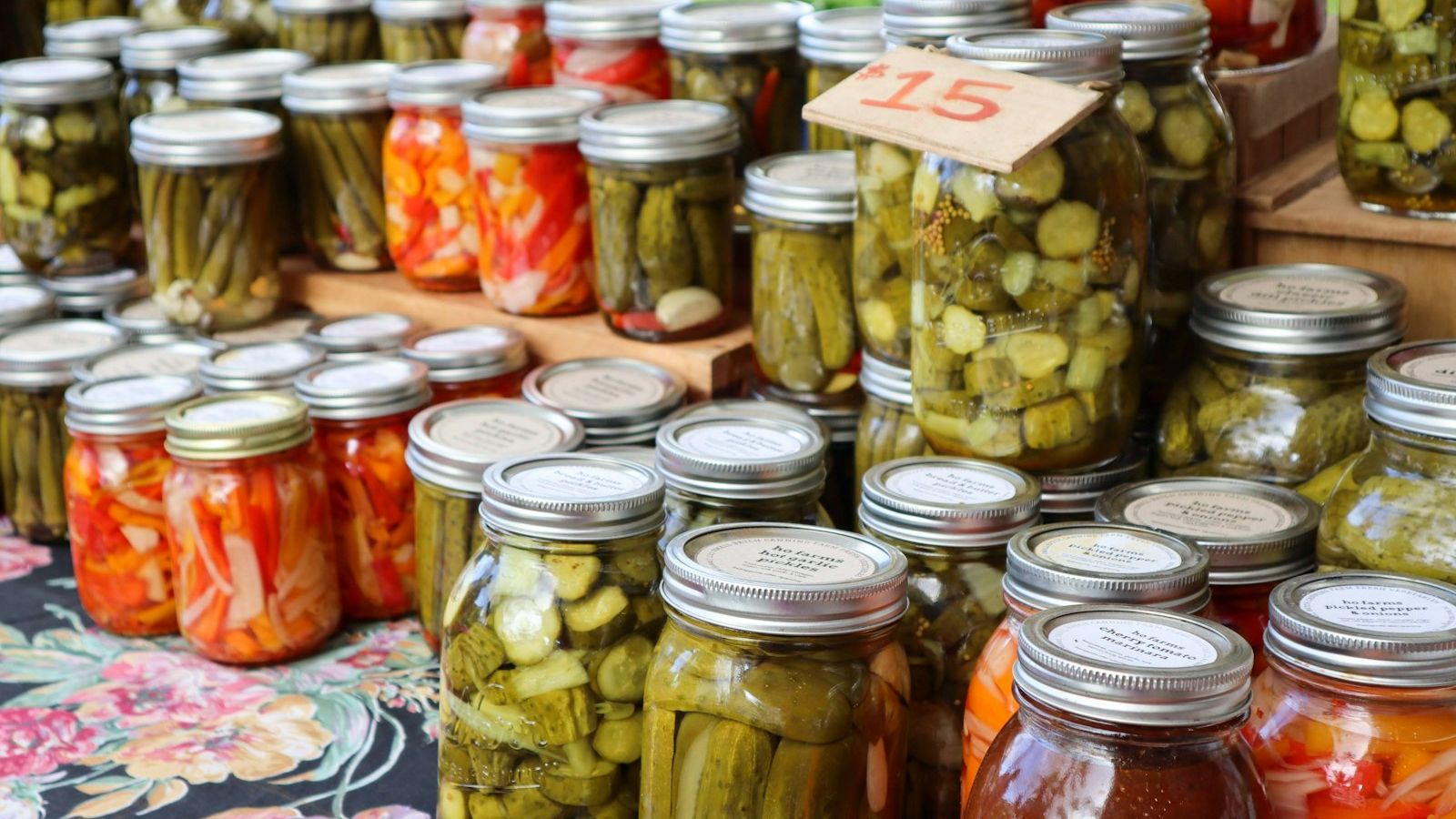
"Every Indian kitchen already has the tools for better gut health. The dahi pot, the idli batter fermenting overnight, the kanji jar on the counter - these are not just recipes. They are live microbial cultures that have been nurturing Indian guts for centuries." - Dt. Trishala Goswami, MSc Clinical Nutritionist
If you spend any time reading about gut health, you will encounter the same advice repeatedly: eat more fermented foods. Kombucha. Kimchi. Sauerkraut. Kefir. Miso. The recommendations almost always point to fermented foods from other cultures, as if India - a country with one of the deepest and most varied fermentation traditions on the planet - has nothing to offer.
This baffles me as a clinical nutritionist. Indian cuisine has been fermenting foods for millennia. The idli and dosa batter that ferments overnight on millions of kitchen counters every evening. The dahi that is set fresh daily using a culture passed down through generations. The kanji that North Indian families prepare during winter. The achaar that preserves seasonal vegetables for months. The chaas that accompanies lunch in homes across Gujarat and Rajasthan.
These are not trendy superfoods. They are the quiet, everyday foundations of an extraordinarily sophisticated food preservation and gut health tradition. And the science increasingly confirms what Indian grandmothers have always known - these foods are genuinely, measurably beneficial for your digestive microbiome.
Table of Contents
The Science of Fermentation
Fermentation is a metabolic process in which microorganisms - bacteria, yeasts, or moulds - break down sugars and starches in food, producing acids, gases, or alcohol as byproducts. Far from being a sign of spoilage, controlled fermentation transforms food in several beneficial ways.
Nutrient enhancement: Fermentation increases the bioavailability of vitamins and minerals. The microbial activity generates B vitamins (particularly B12, folate, and riboflavin), breaks down phytic acid (an anti-nutrient in grains and legumes that blocks mineral absorption), and pre-digests complex proteins and carbohydrates into more absorbable forms.
Probiotic delivery: Fermented foods deliver live beneficial bacteria directly to your digestive tract. Unlike probiotic supplements, which typically contain 1-3 strains in isolated form, traditionally fermented foods contain diverse microbial communities that interact synergistically.
Preservation: The acids produced during fermentation (primarily lactic acid) lower the pH of the food, creating an environment hostile to pathogenic bacteria. This is why fermented foods like achaar can be stored for months at room temperature without spoiling - the beneficial bacteria have already claimed the territory.
A systematic review by Marco et al. (2017) published in Current Opinion in Biotechnology concluded that consumption of fermented foods is associated with reduced risk of type 2 diabetes, cardiovascular disease, and overall mortality. The review noted that the benefits extend beyond the probiotic bacteria themselves - the metabolites produced during fermentation (organic acids, bioactive peptides, conjugated linoleic acid) have independent health effects.
Probiotic Strains Found in Indian Fermented Foods
Not all fermentation is probiotic. Beer is fermented, but the yeast involved does not colonize your gut. The probiotic value of a fermented food depends on which microbial strains are active and whether they survive transit through your stomach acid to reach the intestines alive.
Indian fermented foods are remarkably rich in clinically relevant probiotic strains. Research by Tamang et al. (2016) published in Frontiers in Microbiology catalogued the microbial diversity of Indian fermented foods and identified numerous strains with documented health benefits:
Lactobacillus plantarum: Found in achaar, kanji, idli batter, and fermented rice. This strain has been shown to reduce intestinal inflammation, strengthen the gut barrier, and improve IBS symptoms.
Lactobacillus fermentum: Present in dahi and idli batter. Demonstrated immune-modulating properties and cholesterol-lowering effects in clinical studies.
Lactobacillus acidophilus: The dominant strain in traditional Indian dahi. Well-documented benefits for lactose digestion, vaginal health, and prevention of antibiotic-associated diarrhoea.
Leuconostoc mesenteroides: A primary fermenter in idli/dosa batter responsible for the characteristic rise and sourness. Produces dextran and carbon dioxide, creating the light, airy texture.
Pediococcus species: Found in kanji and certain achaar preparations. Produce bacteriocins - natural antimicrobial compounds that inhibit pathogenic bacteria.
The diversity of strains in traditional Indian ferments is a significant advantage over commercial probiotic supplements, which typically contain only the most commercially viable strains. A homemade pot of well-set dahi contains a broader microbial community than most supplement capsules.
Idli and Dosa Batter: The South Indian Gut Tonic
The idli/dosa batter - a mixture of soaked and ground rice and urad dal, fermented naturally for 8-16 hours - is one of the most nutritionally sophisticated fermented preparations in any food tradition.
During fermentation, wild Lactobacillus bacteria and Leuconostoc yeasts colonize the batter. Their metabolic activity produces several remarkable transformations:
Phytic acid reduction: Urad dal is naturally high in phytic acid, which binds iron, zinc, and calcium, preventing their absorption. Fermentation reduces phytic acid content by 20-40%, significantly improving mineral bioavailability. A study by Reddy and Pierson (1994) in the Journal of Food Science specifically measured this reduction in idli batter and confirmed meaningful improvements in iron and zinc availability.
B vitamin synthesis: The fermenting bacteria synthesize B vitamins - particularly thiamine, riboflavin, and folic acid - that were not present in the raw ingredients. The fermented batter is nutritionally superior to the unfermented mixture.
Protein digestibility improvement: The bacterial enzymes partially break down the complex proteins in urad dal, making them easier to digest. This is one reason why idli is recommended for convalescent patients and infants - it is gentle on the digestive system while delivering good nutrition.
Prebiotic fibre generation: The fermentation process produces short-chain fatty acids and oligosaccharides that serve as food for your existing gut bacteria - a prebiotic effect that amplifies the probiotic benefit.
In my practice, I recommend idli as the ideal breakfast for clients with compromised digestion. It is light, easily digestible, probiotic-rich (when the batter is freshly fermented - not from commercial ready-made batter, which often contains added baking soda instead of natural fermentation), and pairs beautifully with coconut chutney and sambar for a nutritionally complete meal.
The critical variable is fermentation quality. Instant idli mixes and commercially prepared batters sold in supermarkets are often made with chemical leavening agents, not genuine fermentation. The probiotic benefit exists only in naturally fermented batter - ideally prepared at home with a culture starter or allowed to ferment with ambient wild bacteria in a warm kitchen.
Kanji: North India's Probiotic Powerhouse
While South India has the idli, North India has kanji - a fermented drink made from black carrots (kali gajar), mustard seed powder, and water. Traditionally prepared during the winter months when black carrots are in season, kanji is a concentrated probiotic beverage that rivals any commercial kombucha for microbial potency.
The fermentation process is simple: black carrots are cut into long pieces, placed in a glass jar with water, salt, and mustard powder, and left to ferment in sunlight for 3-5 days. The mustard powder introduces the initial bacterial inoculum, and the natural sugars in the carrots provide the fermentation substrate. The result is a tangy, deep purple drink teeming with Lactobacillus bacteria.
The anthocyanins in black carrots - the pigments responsible for the deep purple colour - are powerful antioxidants that survive and are even enhanced by the fermentation process. A glass of kanji delivers both probiotics and polyphenols - a combination that research by Ursell et al. (2014) in Nutrition Reviews identified as particularly beneficial for gut microbiome diversity.
In my gut health protocols, I recommend kanji as a daily probiotic drink during the winter season when black carrots are available. For the rest of the year, a similar preparation can be made with beetroot - though the flavour profile is different, the fermentation mechanics and probiotic benefits are comparable.
How to make kanji at home: Wash and peel 6-8 black carrots, cut into finger-length pieces. Place in a large glass jar with 1 litre of water, 2 tablespoons of mustard powder (rai), and 1 tablespoon of salt. Cover loosely (fermentation produces gas that needs to escape). Place in direct sunlight for 3-4 days, shaking gently once daily. When the liquid tastes pleasantly sour and tangy, the kanji is ready. Strain and refrigerate. Consume one small glass (100-150 ml) daily.
Indian Pickles: The Achaar Question
Indian achaar occupies a complex position in the fermentation discussion. Traditional achaar - vegetables preserved in salt, oil, and spices, and allowed to mature over weeks or months in sunlight - is genuinely fermented and contains beneficial lactic acid bacteria.
However, the achaar you buy in a supermarket jar is rarely truly fermented. Commercial achaar is typically made with vinegar (acetic acid) for rapid preservation, pasteurized to extend shelf life (killing any beneficial bacteria), and loaded with oil and salt to function primarily as a condiment rather than a probiotic food.
The distinction matters. Traditional, homemade, sun-matured achaar - the kind your grandmother made in ceramic jars on the terrace - is a legitimate fermented food with probiotic value. Commercial, factory-produced achaar is essentially a preserved condiment with no live microbial benefit.
Which Indian pickles are genuinely probiotic?
Raw mango pickle (aam ka achaar) fermented in mustard oil with salt and spices - when prepared traditionally without vinegar and stored without refrigeration, allowing natural fermentation to continue.
Lemon pickle (nimbu ka achaar) - the extended salt-and-sunlight curing process creates an environment rich in Lactobacillus bacteria.
Mixed vegetable achaar made in the traditional Rajasthani or Gujarati style - with salt, oil, and spices as the only preservatives.
My practical recommendation: If you have access to homemade, traditionally prepared achaar, include a small portion (1-2 teaspoons) with your meals. It adds flavour, provides some probiotic benefit, and stimulates digestive enzyme secretion. But do not rely on commercial jarred pickles for probiotic purposes - their microbial cultures are inactive.
Buttermilk (Chaas): The Underrated Daily Probiotic
Chaas - diluted, spiced buttermilk made from fresh dahi - is arguably the most practical daily probiotic vehicle in Indian cuisine. It is inexpensive, universally available, easy to prepare, culturally familiar, and genuinely rich in live Lactobacillus cultures.
The preparation is straightforward: fresh dahi is diluted with water (typically 1:1 or 1:2 ratio), churned or whisked until smooth, and seasoned with roasted cumin powder, rock salt, and optionally fresh mint, curry leaves, or ginger. The result is a refreshing drink that delivers probiotics, protein, calcium, and hydration in a single glass.
Research by Aryana and Olson (2017) published in the Journal of Dairy Science confirmed that traditionally prepared buttermilk retains viable Lactobacillus populations sufficient to exert probiotic effects when consumed regularly. The bacterial counts are highest when the buttermilk is freshly prepared from homemade dahi and consumed within a few hours.
In my clinical practice, I prescribe a glass of homemade chaas with lunch as the first and simplest gut health intervention for new clients. Before we discuss supplements, stool tests, or elimination diets, I ask: "Are you drinking chaas regularly?" The answer is almost always no - despite it being perhaps the most accessible probiotic food in the Indian culinary tradition.
Key point about dahi quality: The probiotic value of chaas depends entirely on the quality of the dahi it is made from. Fresh, homemade dahi set with a live culture (jaman) from a previous batch contains robust bacterial populations. Store-bought, flavoured, or sweetened yogurt products are inferior - they often contain fewer live cultures, added sugars, and preservatives that undermine the probiotic benefit.
Dhokla, Fermented Rice, and Other Regional Treasures
India's fermentation tradition extends far beyond the commonly discussed dahi and idli. Each region has its own fermented specialties:
Dhokla (Gujarat): Made from a batter of besan or rice-chana dal mixture, fermented overnight, and then steamed. The fermentation enhances protein digestibility and generates B vitamins. Khaman dhokla (made from besan) and white dhokla (made from rice and urad dal) are both genuinely fermented when prepared traditionally - though instant mixes use baking soda instead of natural fermentation.
Panta Bhat / Pazhankanji (Bengal, Odisha, Kerala): Cooked rice soaked in water overnight, allowed to ferment gently, and consumed the next morning with salt, green chilli, and raw onion. This fermented rice water is rich in B vitamins and electrolytes. Research shows that the overnight fermentation increases the B12 content of rice significantly - a meaningful benefit for vegetarian populations at risk of B12 deficiency.
Ambali (Karnataka, Tamil Nadu): A porridge made from fermented ragi (finger millet) flour. Ragi is already nutrient-dense; fermentation further enhances its iron and calcium bioavailability while reducing phytic acid content.
Hawaijar (Manipur) and Akhuni (Nagaland): Fermented soybean preparations from Northeast India that serve as both condiments and protein sources. These are nutritionally analogous to Japanese natto and contain Bacillus subtilis - a spore-forming probiotic with documented immune-modulating benefits.
Toddy and Handia (various regions): Fermented beverages made from palm sap or rice. While these are consumed primarily for their alcoholic content, the fermentation process generates probiotic bacteria and B vitamins. From a nutritional perspective, moderation is key - the probiotic benefit is not worth the alcohol if consumption becomes excessive.
The common thread is that virtually every Indian region developed fermented foods independently - suggesting that the gut health benefits were observed empirically across cultures long before microbiology explained the mechanisms.
How to Include More Fermented Foods Daily
The goal is not to overhaul your diet. It is to integrate small, consistent servings of genuinely fermented foods into your existing meal pattern. Here is the practical framework I give my clients:
Breakfast: Include one fermented item. Idli or dosa from naturally fermented batter. Or a small bowl of fresh dahi with your paratha or poha. Or fermented ragi porridge (ambali).
Lunch: A glass of chaas alongside your meal. This is the single easiest daily fermentation habit. It takes two minutes to prepare and provides consistent probiotic delivery.
Dinner: A small serving of fresh dahi or a tablespoon of traditionally made achaar. Consuming dahi at night is fine despite the widespread myth that it is harmful - there is no scientific basis for avoiding dahi after sunset.
Daily drink: Kanji during winter months, or a simple nimbu-jeera chaas during summer. Aim for 100-150 ml of a fermented beverage daily.
Weekly goal: Include at least one fermented grain preparation (idli, dosa, dhokla, fermented rice) three to four times per week. These deliver both probiotic bacteria and the enhanced nutritional profile of fermented grains.
What to avoid: Commercially produced "probiotic" drinks with added sugar (they feed pathogenic bacteria as much as beneficial ones), store-bought pickles preserved with vinegar (no live cultures), and instant idli/dosa mixes with chemical leavening (no fermentation benefit).
A study by Wastyk et al. (2021) published in Cell provided compelling evidence that a diet high in fermented foods increases gut microbiome diversity more effectively than a high-fibre diet alone. The study found that participants consuming six servings of fermented foods daily showed measurable increases in bacterial diversity within 10 weeks. While six servings is ambitious for most people, even two to three daily servings demonstrate meaningful effects.
Key Takeaways
- Indian cuisine has one of the world's richest and most diverse fermentation traditions - you do not need imported superfoods for gut health.
- Naturally fermented idli/dosa batter delivers probiotics, reduces phytic acid, and enhances B vitamin and mineral availability.
- Kanji (fermented black carrot drink) is a potent probiotic beverage that combines live bacteria with anthocyanin antioxidants.
- Traditional homemade achaar is a genuine fermented food; commercial jarred pickles preserved with vinegar are not.
- Chaas (spiced buttermilk) is the simplest and most accessible daily probiotic in Indian cuisine - include it with lunch.
- Dahi quality determines probiotic quality: fresh, homemade dahi from a live culture is far superior to commercial flavoured yogurt.
- Aim for 2-3 servings of genuinely fermented foods daily for measurable microbiome benefits.
Want a personalized gut health plan that leverages the power of Indian fermented foods? Take the Yogyaahar Gut Health Quiz to understand your digestive profile, or book a consultation with me to create a targeted protocol: Take the Gut Health Quiz
Medical Disclaimer: This article is for educational purposes only and does not constitute medical advice. While fermented foods are generally beneficial, individuals with histamine intolerance, severe SIBO, or compromised immune systems may need to limit or modify fermented food intake. If you have active digestive conditions, autoimmune diseases, or are on immunosuppressive medications, consult your healthcare provider before significantly increasing fermented food consumption. Individual responses to fermented foods vary - introduce them gradually and monitor your body's response.
Want to fix your digestion for good? Explore our Gut Health program with Dt. Trishala Goswami.
MSc Clinical Nutritionist · Diabetes Educator · Certified Nutrigenomics Specialist
Dt. Trishala Goswami is a clinical nutritionist and certified diabetes educator who designs personalized, science-backed nutrition programs for clients across India and abroad. She specializes in diabetes, PCOS, gut health, and nutrigenomics.
More about Dt. TrishalaWant a personalised Gut Health plan?
Articles can’t replace personalised care. Book a 30-min consultation with Dt. Trishala.
Living outside India? See how online consultations work for NRIs & global clients →
Related reads
The Best Foods for Gut Health: An Indian Dietitian's List
A healthy gut is built from everyday Indian food, not expensive supplements. A clinical nutritionist ranks the best foods for gut health - dahi, fermented batters, dals, and prebiotic vegetables - and how to eat them for real results.
Constipation Solutions: Beyond Fibre and Water
You are eating enough fibre. You are drinking enough water. And you are still constipated. A clinical nutritionist explains the hidden causes - from magnesium deficiency to thyroid dysfunction - and what actually works.
Food Intolerances vs Food Allergies: How to Tell the Difference
Bloating after wheat? Skin flares from dairy? It could be an intolerance or an allergy - and the distinction changes everything about how you manage it. A clinical nutritionist breaks down the science.