Embracing Intermittent Fasting: India's Timeless Tradition Meets Modern Wellness

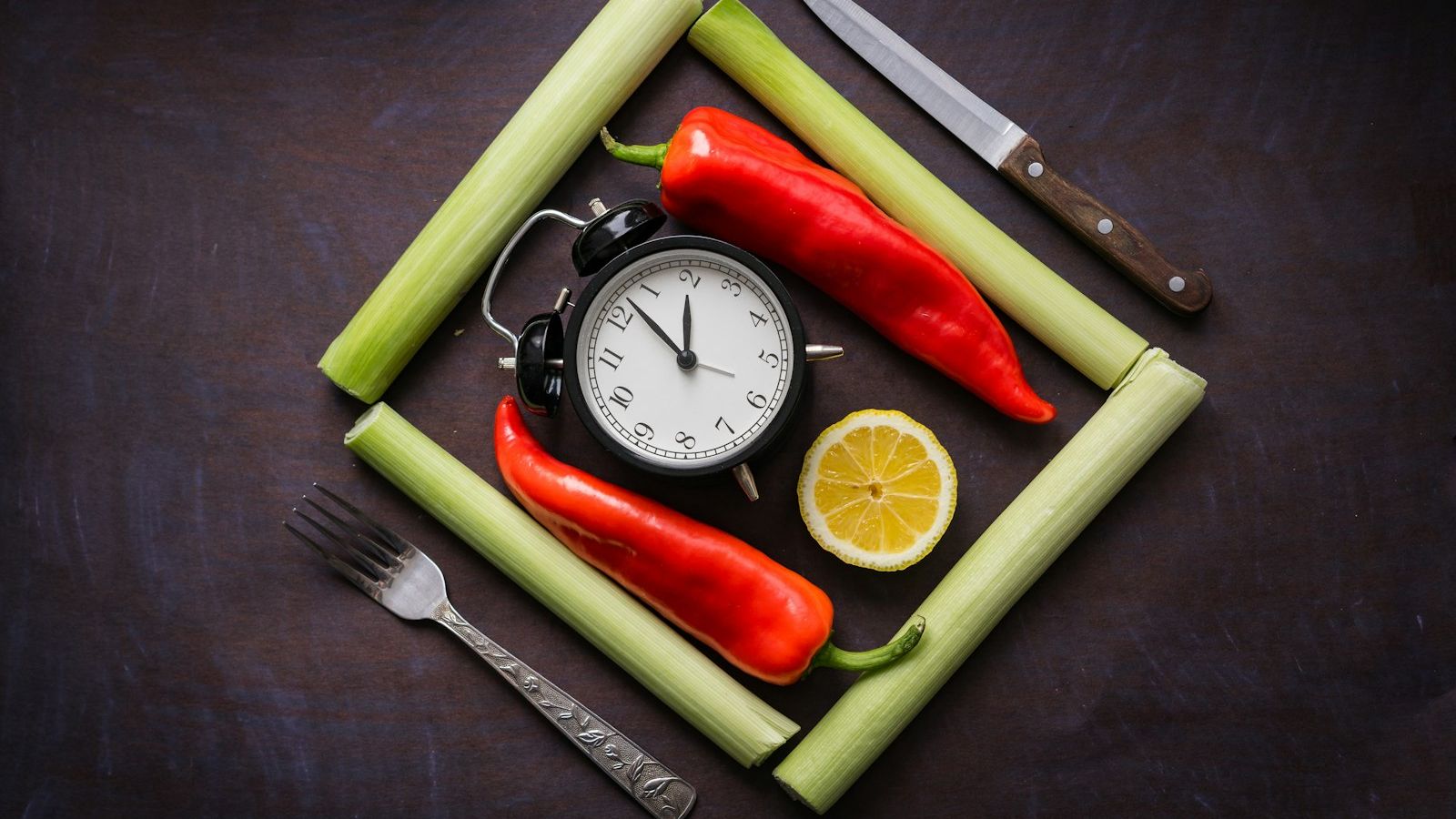
In the diverse tapestry of India, where ancient traditions seamlessly blend with modern lifestyles, a powerful health practice has been thriving for centuries. Across the lush landscapes and vibrant cities, intermittent
Embracing Intermittent Fasting: India's Timeless Tradition Meets Modern Wellness
In the diverse tapestry of India, where ancient traditions seamlessly blend with modern lifestyles, a powerful health practice has been thriving for centuries. Across the lush landscapes and vibrant cities, intermittent fasting is more than a dietary trend; it's a part of the cultural ethos, deeply ingrained in the spiritual and daily life of the people. This practice isn't just about skipping meals; it's a testament to the principles of balance, self-discipline, and harmony with nature, which are at the core of Indian philosophy.
Intermittent fasting, with roots in various traditional practices like 'Ekadashi' and 'Pradosh Vrat', is not solely focused on weight loss. It represents a holistic approach to health, aligning with the body's natural rhythms and promoting a lifestyle conducive to longevity and vitality. The concept of 'Yogyaahar', meaning the right diet, emphasizes the significance of mindful eating and selecting foods that resonate with one's individual constitution and the seasons.
Modern research has begun to uncover the myriad benefits of this age-old practice. Studies indicate that intermittent fasting can lead to significant weight loss, with individuals experiencing a 3-8% reduction in body weight over periods ranging from 3 to 24 weeks. The power of this approach lies not just in caloric reduction but in its ability to enhance the body's metabolic functions. During fasting, insulin levels decrease, which aids in fat burning, while human growth hormone levels increase, supporting muscle preservation and fat loss.
For those grappling with diabetes and other metabolic disorders, intermittent fasting offers a ray of hope. Research underscores its potential in improving insulin sensitivity and reducing blood sugar levels, presenting a proactive strategy in managing diabetes and improving metabolic health.
Intermittent fasting in India is a testament to the wisdom of listening to our bodies and eating in harmony with natural cycles. It's a practice deeply woven into the fabric of Indian culture, offering insights into a way of life that cherishes balance, health, and mindfulness.
Get expert advice on nutrition plans and holistic health strategies tailored to your body.
Science-backed clinical nutrition by Dt. Trishala Goswami. Nourish your body, one meal at a time.
Assure Clinic, Andheri West, Mumbai
← Back to Blog Book Consultation
Read next
Frequently asked questions
How does intermittent fasting relate to traditional Indian fasting practices?
Indian traditions like Ekadashi (twice-monthly fasting), Navratri fasting, Monday Shiva fasts, and sunrise-to-sunset fasts mirror modern IF protocols in creating extended periods without caloric intake. These ancient practices had metabolic benefits long before the science of autophagy and insulin sensitivity was understood.
What is the most suitable intermittent fasting window for Indians?
A 12:12 or 14:10 window - finishing dinner by 8 PM and having breakfast after 8-10 AM - fits comfortably with most Indian family eating patterns. The 16:8 protocol is effective but requires skipping breakfast, which many Indians find culturally and practically difficult.
Can intermittent fasting be done during festivals and special occasions?
Yes - the beauty of IF as a framework (not a rigid diet) is its flexibility. During festivals, simply extend the eating window or fast the following day. Traditional vrat (fasting) days naturally align with IF principles. The long-term pattern matters more than any single day's deviation.
Does breaking the fast with Indian foods like fruits and chai affect IF benefits?
Breaking your fast with whole fruits (not juice), curd, or a balanced meal is ideal. A small cup of plain chai (without sugar) in the morning is generally considered not to significantly break the fast metabolically, though purists disagree. Avoid breaking the fast with sweet drinks, biscuits, or fried snacks.
Is intermittent fasting effective for reducing visceral fat in Indians?
Yes - several Indian-population studies show IF significantly reduces abdominal fat and improves insulin sensitivity, which is particularly relevant as Indians carry more visceral fat relative to BMI. The reduction in insulin during fasting periods specifically targets visceral fat mobilisation.
References
- Healthy diet - fact sheet (World Health Organization)
- The Nutrition Source (Harvard T.H. Chan School of Public Health)
- Dietary Guidelines for Indians (ICMR - National Institute of Nutrition)
- Food & Health Tips (Academy of Nutrition and Dietetics)
MSc Clinical Nutritionist · Diabetes Educator · Certified Nutrigenomics Specialist
Dt. Trishala Goswami is a clinical nutritionist and certified diabetes educator who designs personalized, science-backed nutrition programs for clients across India and abroad. She specializes in diabetes, PCOS, gut health, and nutrigenomics.
More about Dt. TrishalaWant a plan built around you?
Articles can’t replace personalised care. Book a 30-min consultation with Dt. Trishala.
Living outside India? See how online consultations work for NRIs & global clients →
Related reads
The Best Anti-Inflammatory Indian Foods, According to a Clinical Nutritionist
Chronic low-grade inflammation quietly drives PCOS, insulin resistance, gut issues, and joint pain. A clinical nutritionist ranks the best anti-inflammatory Indian foods - and the everyday way to eat them for real effect.
The Best Foods for Healthy Skin and Hair: An Indian Dietitian's List
Glowing skin and strong hair are built from the inside out. A clinical nutritionist ranks the best Indian foods for skin and hair - and explains why the protein and iron on your plate matter more than any cream or capsule.
The Best High-Protein Vegetarian Foods in India, Ranked by a Nutritionist
Most Indian vegetarians eat far less protein than they think. A clinical nutritionist ranks the best high-protein vegetarian foods available in India - with grams per serving and a simple plan to reach your daily target.