Matki: The Superfood Legume - Nutrition, Health Benefits, and Recipes

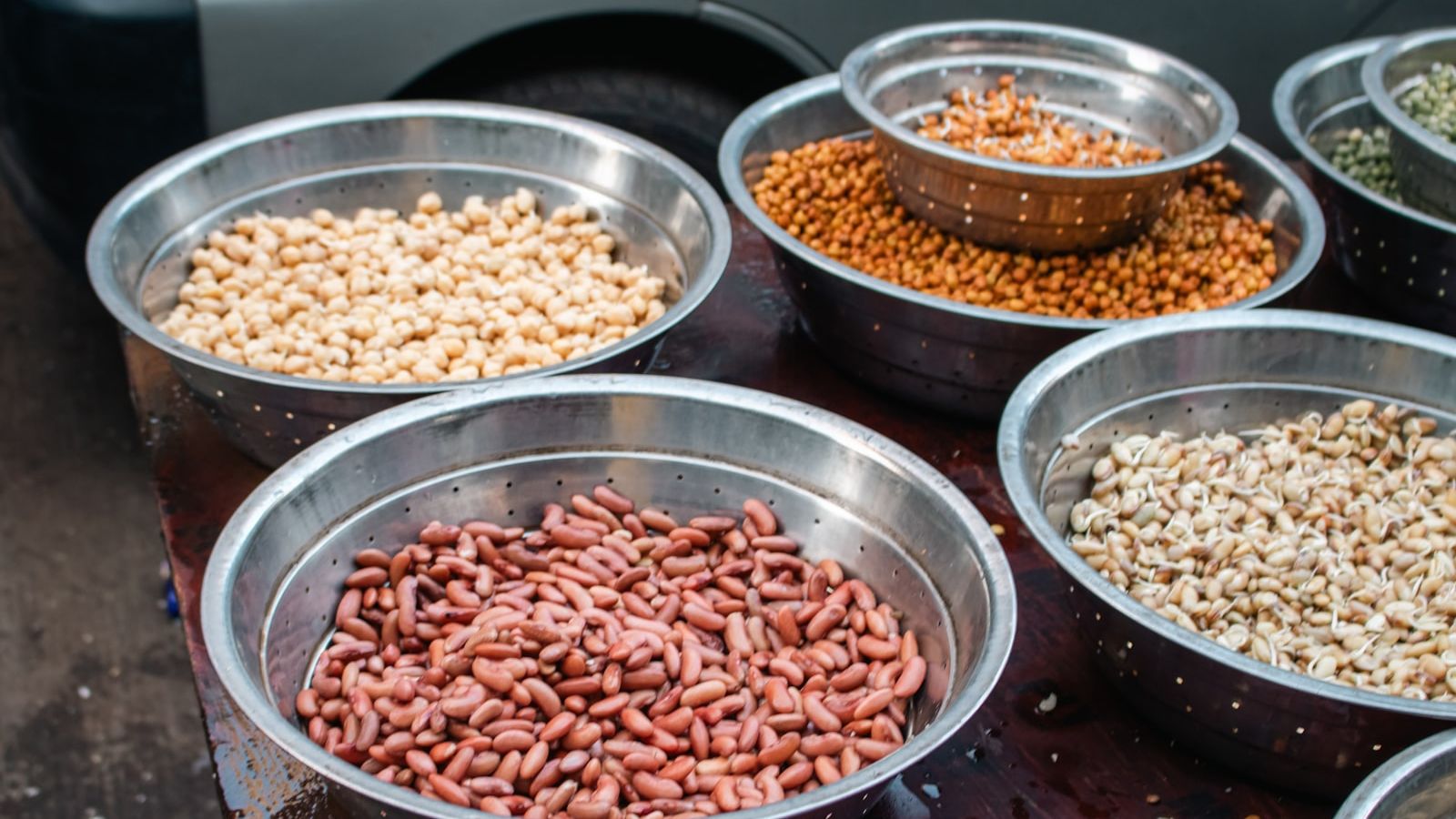
Matki, which is also called moth bean or a type of mung bean, has been a basic part of Indian food for a long time. Matki is a favorite food in India, from traditional snacks to healthy meals. But matki is becoming more
Matki: The Superfood Legume - Nutrition, Health Benefits, and Recipes
Image by devmaryna on Freepik
Matki, which is also called moth bean or a type of mung bean, has been a basic part of Indian food for a long time. Matki is a favorite food in India, from traditional snacks to healthy meals. But matki is becoming more and more well-known for its impressive nutritional profile and health benefits, making it a must-have in modern, health-conscious diets.
Matki is a great source of
protein, fiber, and other important nutrients
for vegetarians, vegans, fitness fans, or anyone who wants to eat better. In this blog, we'll talk about matki's nutrition, health benefits, how to add it to your meals, and some easy recipes you can try at home.
Get expert advice on nutrition plans and holistic health strategies tailored to your body.
Science-backed clinical nutrition by Dt. Trishala Goswami. Nourish your body, one meal at a time.
Assure Clinic, Andheri West, Mumbai
← Back to Blog Book Consultation
Read next
Frequently asked questions
What is matki (moth bean) and what are its key nutrients?
Matki (moth bean, Vigna aconitifolia) is a small, drought-resistant legume popular in Maharashtra and Rajasthan. Per 100 g dry, it provides approximately 23 g protein, 62 g carbohydrates, 5 g fibre, significant iron (6.5 mg), zinc, potassium, and folate - making it one of the most nutritious legumes in the Indian pantry.
Is sprouted matki healthier than cooked matki?
Sprouting matki for 1-2 days reduces phytic acid and improves bioavailability of iron, zinc, and protein by 20-30%. It also increases vitamin C and folate content significantly. Sprouted matki usal or salad is nutritionally superior to just cooked matki, though cooked matki is easier to digest for those with sensitive guts.
How does matki compare to other dals for protein content?
Matki's protein content (~23 g per 100 g dry) is comparable to masoor and moong dal. Its advantage is high digestibility when sprouted, significant iron and zinc content, and very low price - making it one of the most cost-effective protein sources in the Indian diet, particularly for vegetarians.
Can matki help with diabetes or blood sugar management?
Yes - matki has a low glycaemic index due to its high fibre and complex carbohydrate structure. Like most legumes, it slows glucose absorption and improves post-meal blood sugar response. The resistant starch in matki also acts as a prebiotic, supporting gut microbiome health which has links to insulin sensitivity.
What is the traditional Maharashtra recipe using matki?
Matki usal is the classic Maharashtra preparation - sprouted or soaked matki cooked with a tempering of mustard seeds, asafoetida, curry leaves, onion, and coconut, finished with kokum or tamarind for sourness. It's served with pav (bread) or rice. Misal pav adds a spicy farsan topping to matki usal.
References
- Healthy diet - fact sheet (World Health Organization)
- The Nutrition Source (Harvard T.H. Chan School of Public Health)
- Dietary Guidelines for Indians (ICMR - National Institute of Nutrition)
- Food & Health Tips (Academy of Nutrition and Dietetics)
MSc Clinical Nutritionist · Diabetes Educator · Certified Nutrigenomics Specialist
Dt. Trishala Goswami is a clinical nutritionist and certified diabetes educator who designs personalized, science-backed nutrition programs for clients across India and abroad. She specializes in diabetes, PCOS, gut health, and nutrigenomics.
More about Dt. TrishalaWant a plan built around you?
Articles can’t replace personalised care. Book a 30-min consultation with Dt. Trishala.
Living outside India? See how online consultations work for NRIs & global clients →
Related reads
The Best Anti-Inflammatory Indian Foods, According to a Clinical Nutritionist
Chronic low-grade inflammation quietly drives PCOS, insulin resistance, gut issues, and joint pain. A clinical nutritionist ranks the best anti-inflammatory Indian foods - and the everyday way to eat them for real effect.
The Best Foods for Healthy Skin and Hair: An Indian Dietitian's List
Glowing skin and strong hair are built from the inside out. A clinical nutritionist ranks the best Indian foods for skin and hair - and explains why the protein and iron on your plate matter more than any cream or capsule.
The Best High-Protein Vegetarian Foods in India, Ranked by a Nutritionist
Most Indian vegetarians eat far less protein than they think. A clinical nutritionist ranks the best high-protein vegetarian foods available in India - with grams per serving and a simple plan to reach your daily target.