Intermittent Fasting vs Calorie Deficit: Which Works Better for Indians?

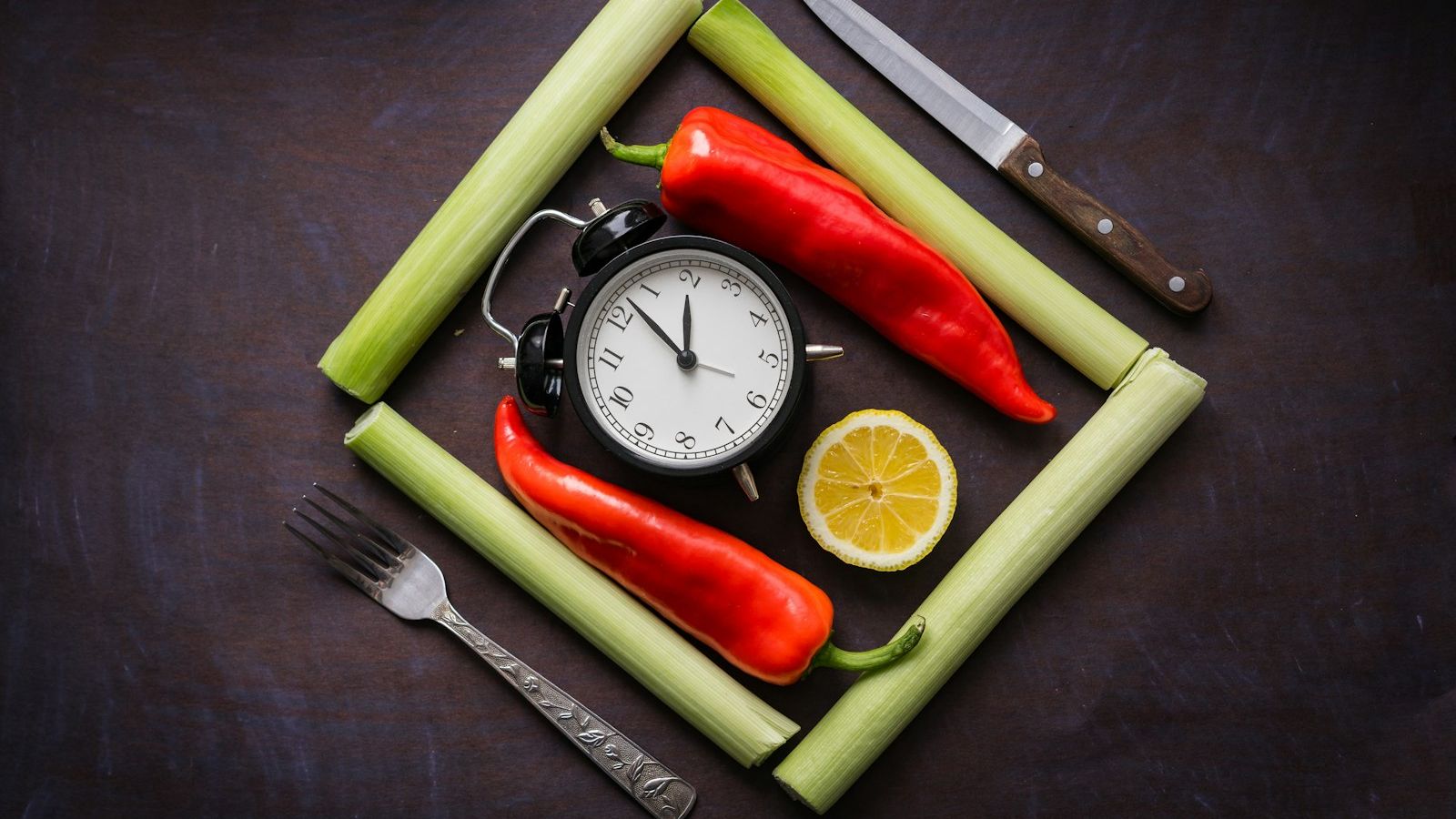
"The best weight-loss approach is not the one with the most impressive research - it is the one you can actually follow within your real life. For Indians, this means considering family meal structures, chai culture, fasting traditions, and the specific conditions like PCOS and thyroid that make IF a poor fit for a significant proportion of Indian women." - Dt. Trishala Goswami, MSc Clinical Nutritionist
A client - let us call her Deepa - had read extensively about intermittent fasting and was convinced it was the answer to her weight-loss resistance. She had been attempting 16:8 (eating within an 8-hour window) for six weeks. Her weight had not changed. Her period, which had been regular, had become irregular. She was irritable every morning, her concentration at work had suffered, and she was having trouble sleeping. When we switched her to a moderate calorie deficit with three structured meals, she lost 3 kg over the next two months and her period normalised.
Deepa had a pre-existing tendency toward hormonal irregularity that made extended morning fasting counterproductive. The approach that works brilliantly for one person can worsen outcomes for another.
Understanding What Both Approaches Actually Do
Both intermittent fasting (IF) and calorie deficit create the same fundamental outcome: an energy deficit that prompts the body to mobilise stored fat for fuel. The mechanisms differ:
Calorie deficit: You eat across the day (or at your cultural meal times) but consume less total energy than you expend. The deficit is distributed across all meals.
Intermittent fasting: You restrict the time window in which you eat (16:8, 18:6, 5:2) rather than explicitly counting calories. Most people naturally eat less in a compressed eating window, creating a calorie deficit by default.
Most research that has directly compared IF with continuous calorie restriction shows similar weight loss outcomes when total calorie intake is matched. The difference is in the experience, adherence, and metabolic effects - not in some metabolic advantage of fasting per se.
Who Does Intermittent Fasting Work Well For?
IF is a genuinely good strategy for specific profiles. In clinical practice, it tends to work best for people who:
Are metabolically healthy without hormonal complications: For men or women without PCOS, thyroid conditions, or significant insulin resistance, 16:8 is a practical and evidence-supported approach that simplifies meal planning.
Naturally dislike early breakfast: Some people genuinely feel no hunger until late morning. For them, skipping breakfast and eating from noon to 8 PM is not a sacrifice - it is following their natural appetite pattern. This group tends to have excellent adherence.
Have flexible schedules: IF works poorly for people whose work schedules, family meals, or social obligations conflict with the eating window. A 9 AM to 5 PM office worker with a family dinner at 8 PM cannot easily do 16:8. Forcing an incompatible structure onto a real life produces stress and poor adherence.
Have responded well to previous fasting: Many Indians already fast for religious reasons - Navratri, Ekadashi, Mondays. If you observe these fasts and feel well during them, your physiology may be well-adapted to intermittent food restriction.
Are not prone to blood sugar dips: People with reactive hypoglycaemia (low blood sugar in response to prolonged fasting) experience shakiness, headaches, and anxiety with extended fasting windows. This is not a good match for IF.
Who Does Calorie Deficit Work Better For?
A structured calorie deficit with regular meals across the day is generally more appropriate for:
Women with PCOS or hormonal irregularity: Extended morning fasting raises cortisol - which is already often dysregulated in PCOS. Multiple studies have noted that prolonged fasting can worsen LH:FSH ratios and androgen levels in women with underlying hormonal imbalances. A protein-rich breakfast eaten within 60-90 minutes of waking is consistently better for PCOS management than skipping breakfast to start an IF window.
People with thyroid conditions: Hypothyroidism and Hashimoto's thyroiditis can both be worsened by prolonged calorie restriction periods within IF. The thyroid is sensitive to caloric adequacy; repeated fasting states can suppress T3 conversion.
Individuals with a history of disordered eating: The rigid time rules of IF can reinforce unhealthy relationships with food for people prone to restriction-binge cycles. A regular eating pattern with flexible portions is often healthier psychologically.
Those with significant work schedules: Early-morning workers, people who do physical labour, and those with highly variable meal schedules often cannot sustain the compressed eating window of IF. Forcing it creates chronic stress and social friction that ultimately undermines adherence.
Older adults and those with muscle mass concerns: Eating protein within approximately 2 hours of waking is associated with better muscle protein synthesis. Skipping breakfast in IF delays this anabolic window, which is a concern for people trying to preserve or build muscle during weight loss.
The Indian Cultural Context
There are two important cultural factors that affect how IF plays out in Indian lifestyles:
Chai culture: The near-universal Indian morning chai - whether at 6 AM, 7 AM, or 8 AM - is culturally and socially significant. For most Indians, this cup is not negotiable. A chai without sugar technically does not break an IF fast (some IF protocols allow black tea and coffee), but a chai with milk and sugar does. Many Indians attempting IF are technically breaking their fast at 7 AM every day with sweet chai and not realising it - and then wondering why the approach is not working.
Religious fasting already present: Indian culture has extensive built-in fasting traditions - Navratri (9 days), Ekadashi (twice monthly), Mondays for Shiva devotees, Fridays, Saturdays. Many of these fasts already function as forms of intermittent fasting. The familiarity with fasting states is, in some ways, a cultural advantage for IF adherence. The difference is that religious fasts are communal and purpose-driven, which improves adherence in ways that personal weight-loss fasting may not replicate.
Practical Comparison: What Each Approach Requires
| Factor | Intermittent Fasting (16:8) | Calorie Deficit |
|---|---|---|
| Meal planning | Simpler within the window | More deliberate per meal |
| Family meal compatibility | Often difficult | Generally easier |
| Morning chai | Conflicts if sweet with milk | Neutral |
| Adherence for PCOS/thyroid | Often poor | Generally better |
| Social eating | Needs adaptation | More flexible |
| Initial hunger | Significant for 2-4 weeks | Usually manageable |
| Metabolic advantage | No proven advantage over equal deficit | No proven advantage over IF |
The Honest Conclusion
After reviewing the comparative research and years of clinical practice, the conclusion is straightforward: IF and calorie deficit produce similar weight loss outcomes when total calorie intake is equivalent. There is no metabolic magic in fasting beyond the calorie deficit it creates.
The decision should be made based on:
- Your medical history (PCOS, thyroid, insulin resistance = lean toward regular meals)
- Your actual daily schedule and family meal structure
- Your relationship with food (restriction-prone = lean toward regular meals)
- Your natural appetite patterns (natural non-breakfast-eater = IF may be comfortable)
For most Indian women in clinical practice, a structured calorie deficit with three balanced meals - protein-rich breakfast within 90 minutes of waking, balanced lunch, and lighter dinner by 8 PM - produces more sustainable results than IF.
For a personalised approach to weight loss that considers your specific hormonal and metabolic picture, see our Weight Loss programme.
Frequently asked questions
Is intermittent fasting good for Indians?
For metabolically healthy Indians without PCOS, thyroid conditions, or hormonal irregularity, IF can be an effective and practical approach. For Indian women with PCOS, thyroid conditions, or significant insulin resistance, IF - particularly skipping breakfast - often worsens hormonal markers. The approach should be matched to your specific health profile.
Which IF protocol is best for Indian women?
If IF is appropriate for you, 12:12 (12 hours overnight fast, eating from approximately 7 AM to 7 PM) is the most compatible with Indian meal structures and the gentlest on hormonal systems. 16:8 starting at noon is more aggressive and unsuitable for women with PCOS or thyroid issues. 5:2 (two days of very low calories) has similar concerns for hormonal health.
Can I do intermittent fasting during Navratri or religious fasts?
Navratri and Ekadashi fasts already function as intermittent fasting in practice. Most people observe these without difficulty because the community context and purpose provide strong adherence support. If you observe religious fasts without adverse effects (no dizziness, no mood disruption, no disordered hunger afterward), your physiology is likely compatible with structured IF as well.
Does skipping breakfast cause weight gain?
Not inherently - if you eat less total throughout the day as a result. However, skipping breakfast is associated in research with larger post-lunch spikes, poorer overall dietary quality, and greater hunger-driven overeating at lunch and dinner. For people with diabetes, PCOS, or a tendency toward blood sugar variability, skipping breakfast is not recommended regardless of weight goals.
Is 16:8 fasting safe with PCOS?
In general, 16:8 fasting is not the recommended approach for women with PCOS. Extended morning fasting raises cortisol, which can worsen LH:FSH ratios, androgen levels, and insulin resistance in PCOS. A protein-rich breakfast within 60-90 minutes of waking is consistently more supportive of PCOS hormonal balance than an extended fasting window. If you have PCOS and are interested in IF, discuss it with a clinical nutritionist who understands PCOS-specific hormonal dynamics.
MSc Clinical Nutritionist · Diabetes Educator · Certified Nutrigenomics Specialist
Dt. Trishala Goswami is a clinical nutritionist and certified diabetes educator who designs personalized, science-backed nutrition programs for clients across India and abroad. She specializes in diabetes, PCOS, gut health, and nutrigenomics.
More about Dt. TrishalaWant a personalised Weight Loss plan?
Articles can’t replace personalised care. Book a 30-min consultation with Dt. Trishala.
Living outside India? See how online consultations work for NRIs & global clients →
Related reads
Coming Off Ozempic or Mounjaro Without Regaining: An Indian Diet Plan
Studies show most people regain much of the weight after stopping a GLP-1. A Certified Diabetes Educator explains why - and how to hold your results with an Indian diet, the right protein, and habits that outlast the medication.
Protein on Ozempic and Mounjaro: Preventing Muscle Loss on an Indian Diet
GLP-1 drugs like Ozempic and Mounjaro suppress appetite so completely that many people lose muscle along with fat. A Certified Diabetes Educator explains how to protect muscle by hitting protein targets on an Indian diet, even when you can barely eat.
What to Eat on Ozempic and Mounjaro: An Indian Diet Guide
GLP-1 drugs shrink your appetite and change how food feels. A Certified Diabetes Educator explains what to eat on Ozempic or Mounjaro with Indian food - managing nausea, making tiny meals count, and the foods that trigger side effects.