Why Am I Not Losing Weight Despite Dieting? A Clinical Nutritionist's Answer

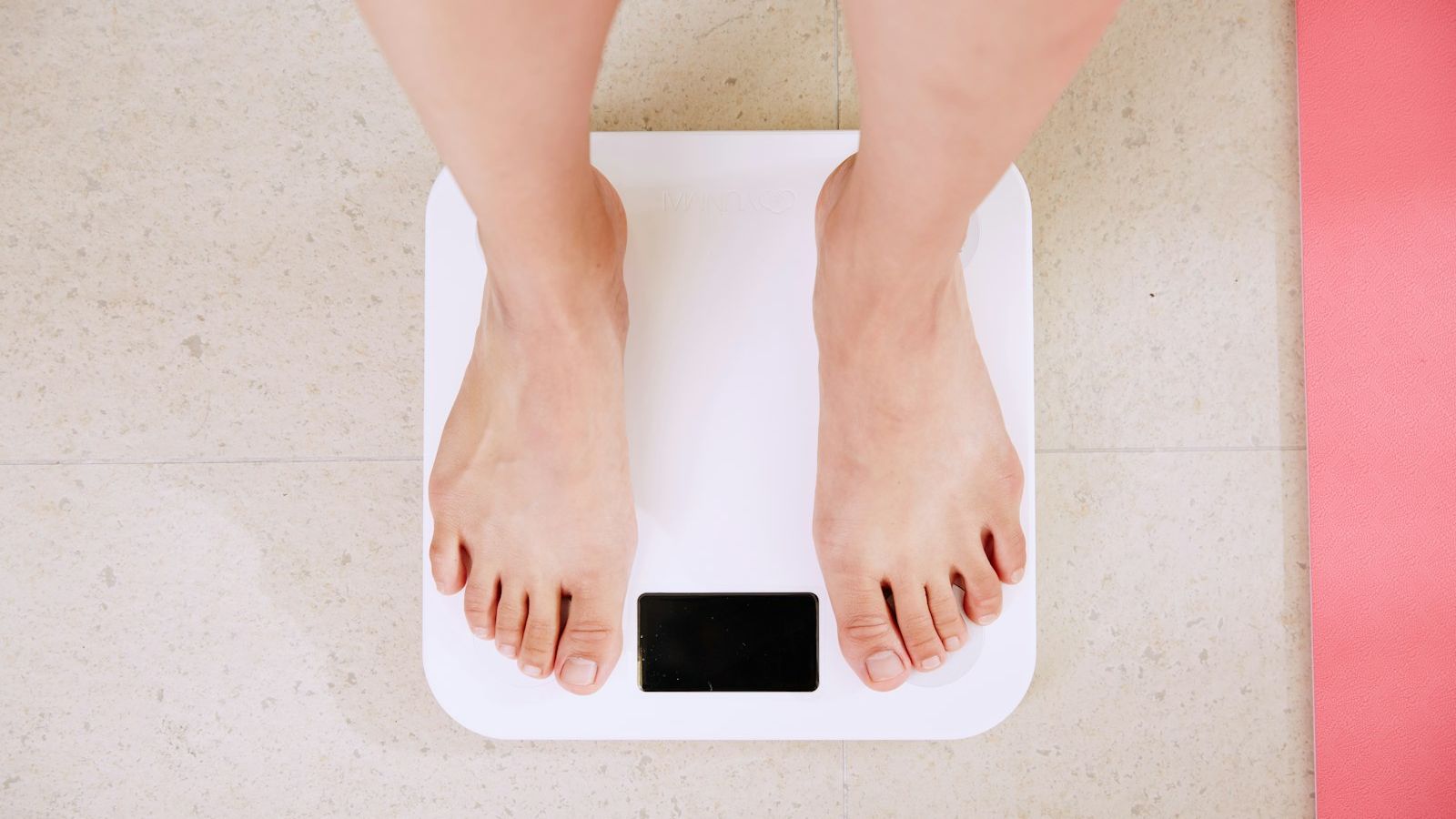
"When a client tells me they are dieting and not losing weight, I do not question their effort - I look for what is working against them. In almost every case, there are 2-3 specific factors that a standard diet plan missed. Finding and fixing those is the work." - Dt. Trishala Goswami, MSc Clinical Nutritionist
I remember a client - let us call her Priti - who had been on a 1,200-calorie diet for four months with no meaningful weight loss. She was eating salads, drinking warm lemon water every morning, and exercising five days a week. She had not lost a single kilogram in six weeks. When I looked at her full picture, three things stood out immediately: she was sleeping five hours per night due to work demands, her cooking oil use was significantly underestimated (the tadka for dal alone used 2-3 tablespoons of oil, unaccounted for), and her fasting insulin was elevated at 18 mIU/L.
The 1,200-calorie plan was not her problem. It was the three things that plan never addressed.
Why "Eat Less, Move More" Often Fails for Indians
The standard advice for weight loss - reduce calories, increase activity - is not wrong. But it is incomplete. For many Indian women and men, the barriers to weight loss are not primarily about calorie intake or exercise. They are about the hormonal environment in which calorie balance operates.
When insulin is chronically elevated, cortisol is persistently high, or thyroid function is suboptimal, the body resists fat mobilisation regardless of the energy deficit being maintained. Understanding which specific factor is blocking progress is the difference between frustrating years of effort and genuine movement.
Reason 1: Hidden Calories in Indian Cooking
Indian cooking is genuinely delicious, deeply nourishing, and - when oil use is not tracked - significantly higher in calories than it appears on the plate.
The most common sources of untracked calories in Indian kitchens:
- Tadka/tempering: A standard tadka uses 2-3 tablespoons of oil (250-360 kcal). For dal made twice a day, this alone can add 500+ kcal of pure fat that never shows up in a food diary
- Ghee on roti or rice: One tablespoon of ghee is 120 kcal. Two rotis with ghee, twice a day = 480 kcal untracked
- Coconut in sabzi: Two tablespoons of grated coconut = 100 kcal; coconut-based curries in South Indian cooking can add 200-400 kcal from coconut alone
- Nuts and seeds: A "handful" of peanuts or cashews during cooking, tasting, or snacking adds 150-200 kcal per occurrence
- Curd rice: The combination of rice, full-fat curd, and coconut oil tempering adds up to significantly more than it appears
What to do: Measure oil for one week. Use a single teaspoon (not tablespoon) for tadka when possible. The goal is not to eliminate fat but to know how much is actually going in.
Reason 2: Metabolic Adaptation - Your Body Has Adjusted
When calorie intake is significantly restricted for an extended period, the body responds by lowering its basal metabolic rate (BMR) - sometimes by 15-25%. This is an evolutionary survival mechanism, not a personal failing.
After 3-4 months of continuous calorie restriction, the body becomes metabolically efficient at running on fewer calories. The deficit that initially produced weight loss now barely maintains it. Some people reach a state where they are eating 1,000-1,100 kcal per day and not losing weight - because the body has adapted to this intake as its new maintenance level.
Signs of metabolic adaptation: persistent cold feeling, hair thinning, fatigue disproportionate to activity, loss of menstrual regularity, and weight that does not respond to further restriction.
What to do: A structured "diet break" - returning to maintenance calories (approximately TDEE, not surplus) for 2-4 weeks - has been shown in research to partially restore metabolic rate. This is counterintuitive but evidence-based. After the break, re-entering a moderate deficit (not severe restriction) produces resumed loss.
Equally important: resistance training builds metabolically active muscle tissue that raises BMR over time. The goal is the highest possible sustainable intake while still losing - not the lowest possible intake.
Reason 3: Unaddressed Insulin Resistance
Insulin resistance is particularly common in Indian populations - research suggests Indians develop visceral fat and insulin resistance at lower BMIs than European populations, meaning the problem can be present in people who are not significantly overweight.
When insulin is chronically elevated (even if blood sugar is "normal"), the body is in a persistent fat-storage mode. Dietary fat and carbohydrate are preferentially stored as body fat rather than used for energy, regardless of the energy deficit being maintained.
Common signs: weight that concentrates around the abdomen despite otherwise "normal" eating, strong carbohydrate cravings, energy crashes 2-3 hours after eating, skin tags, and darkened skin in skin folds (acanthosis nigricans).
What to do: Ask your doctor for a fasting insulin test - not just fasting blood glucose. A fasting insulin above 10-12 mIU/L suggests insulin resistance even when blood glucose is normal. Dietary changes that address insulin resistance specifically (protein priority, low-GI carbohydrates, no refined carbohydrates alone, fibre-first eating) are more effective than generic calorie restriction for this pattern. Learn more about insulin resistance and PCOS, which affects many Indian women struggling with weight loss.
Reason 4: Chronic Stress and Cortisol-Driven Fat Storage
Cortisol - the primary stress hormone - directly promotes visceral fat storage, particularly in the abdominal region. It also stimulates gluconeogenesis in the liver (raising blood glucose even without dietary carbohydrates), drives carbohydrate and high-calorie food cravings, and reduces insulin sensitivity.
The particularly frustrating dynamic for many Indians: the stress of a demanding job, difficult family situations, or financial pressure keeps cortisol chronically elevated - and dieting is itself a physiological stressor that raises cortisol further. The combination means some people who are the most disciplined about their diet and exercise are also under the most stress, and the cortisol load is working directly against their fat-loss efforts.
What to do: This is not a "just relax" recommendation - cortisol is a physiological reality, not a mindset issue. Evidence-based cortisol reduction interventions include: improving sleep duration and quality (the single most impactful), reducing ultra-restriction (eating enough blunts the starvation cortisol response), yoga nidra and diaphragmatic breathing (specific techniques with physiological evidence), and addressing the underlying stressors where possible.
Reason 5: Sleep Deprivation Is the Hidden Weight-Loss Blocker
A single night of sleep under 6 hours increases insulin resistance by 25-40%. Chronic sleep restriction (5-6 hours per night versus 7-8) increases ghrelin (hunger hormone) by approximately 15-20% and reduces leptin (satiety hormone) by a similar amount. The net effect: stronger hunger signals, weaker satiety signals, and greater insulin resistance - every single day.
Research shows that people attempting weight loss who sleep under 7 hours lose significantly less fat and more muscle than those sleeping 7-8 hours at the same calorie deficit. Sleep deprivation does not just make the diet harder to follow - it changes the metabolic outcome of the same diet.
What to do: For 4 weeks, prioritise 7-8 hours of sleep as a clinical intervention equal to dietary change. Track sleep hours alongside weight. Many clients are surprised to find that their plateau coincides precisely with a period of poor sleep - work pressure, a sick child, exam season.
Reason 6: Thyroid Function Is Worth Checking
Subclinical hypothyroidism (TSH elevated but below the formal diagnostic threshold, typically 4.5-5.0 mIU/L on standard reference ranges) significantly slows metabolism, impairs fat mobilisation, causes fatigue that reduces activity, and can contribute to 3-5 kg of weight that is unresponsive to dietary changes alone.
This is particularly relevant for Indian women - hypothyroidism and Hashimoto's thyroiditis are underdiagnosed in India, and the standard TSH reference range used by many labs is too broad for metabolic optimisation.
What to do: If you have not had a thyroid panel recently and are experiencing unexplained weight-loss resistance alongside fatigue, cold intolerance, hair thinning, or constipation, ask your doctor for TSH, Free T3, and Free T4. If thyroid antibodies are elevated (Hashimoto's), an anti-inflammatory diet may support thyroid function alongside medical treatment.
What Genuine Progress Looks Like
Sustainable weight loss - particularly for people with underlying insulin resistance, stress, or metabolic adaptation - typically looks like:
- 0.25-0.5 kg per week when the right approach is in place
- First improvements in: energy, sleep quality, bloating, menstrual regularity (before the scale moves)
- Non-scale markers are often more reliable early indicators than the scale
If cravings between meals are part of the picture, see the best Indian snacks for weight loss. For a clinical weight loss consultation with Dt. Trishala that addresses the underlying hormonal and metabolic picture, see our Weight Loss programme.
Frequently asked questions
Why do I gain weight even eating 1,200 calories?
This typically indicates metabolic adaptation (your BMR has lowered to match your intake), metabolic conditions like insulin resistance or hypothyroidism, or significant inaccuracy in calorie tracking - particularly common with Indian cooking where oil in tadka, ghee, and coconut are often untracked. A clinical assessment of fasting insulin and thyroid function is valuable when weight is unresponsive to significant restriction.
Does stress really cause weight gain?
Yes, physiologically. Cortisol promotes visceral fat storage, increases liver glucose production, and drives carbohydrate cravings. Chronic stress can cause weight gain or weight-loss resistance even with a controlled diet. Stress management is a clinical intervention in weight management, not a soft add-on.
Why is my metabolism slow?
Common reasons: prolonged severe calorie restriction (metabolic adaptation), inadequate protein intake (muscle loss reduces BMR), thyroid dysfunction, insulin resistance, and insufficient sleep. Building lean muscle through resistance training is one of the most reliable ways to raise BMR over time.
Should I eat less or exercise more to lose weight?
Neither extreme is optimal. Severely restricting food causes metabolic adaptation and muscle loss. Exercising excessively without adequate nutrition causes cortisol elevation and similar issues. The evidence-based sweet spot is a modest calorie deficit (15-20% below maintenance), adequate protein (1.2-1.6g per kg body weight), a combination of resistance and aerobic exercise, and sufficient sleep.
How do I break a weight-loss plateau?
Systematically investigate the most common causes: hidden calorie sources in cooking (measure oil for one week), sleep quality (aim for 7-8 hours), stress levels, and underlying metabolic issues (fasting insulin, thyroid). If metabolic adaptation is the issue, a structured 2-4 week diet break at maintenance calories often restores metabolic rate before re-entering a deficit.
MSc Clinical Nutritionist · Diabetes Educator · Certified Nutrigenomics Specialist
Dt. Trishala Goswami is a clinical nutritionist and certified diabetes educator who designs personalized, science-backed nutrition programs for clients across India and abroad. She specializes in diabetes, PCOS, gut health, and nutrigenomics.
More about Dt. TrishalaWant a personalised Weight Loss plan?
Articles can’t replace personalised care. Book a 30-min consultation with Dt. Trishala.
Living outside India? See how online consultations work for NRIs & global clients →
Related reads
Coming Off Ozempic or Mounjaro Without Regaining: An Indian Diet Plan
Studies show most people regain much of the weight after stopping a GLP-1. A Certified Diabetes Educator explains why - and how to hold your results with an Indian diet, the right protein, and habits that outlast the medication.
Protein on Ozempic and Mounjaro: Preventing Muscle Loss on an Indian Diet
GLP-1 drugs like Ozempic and Mounjaro suppress appetite so completely that many people lose muscle along with fat. A Certified Diabetes Educator explains how to protect muscle by hitting protein targets on an Indian diet, even when you can barely eat.
What to Eat on Ozempic and Mounjaro: An Indian Diet Guide
GLP-1 drugs shrink your appetite and change how food feels. A Certified Diabetes Educator explains what to eat on Ozempic or Mounjaro with Indian food - managing nausea, making tiny meals count, and the foods that trigger side effects.