Is Chapati Good for Diabetes? (An Indian Dietitian Explains)

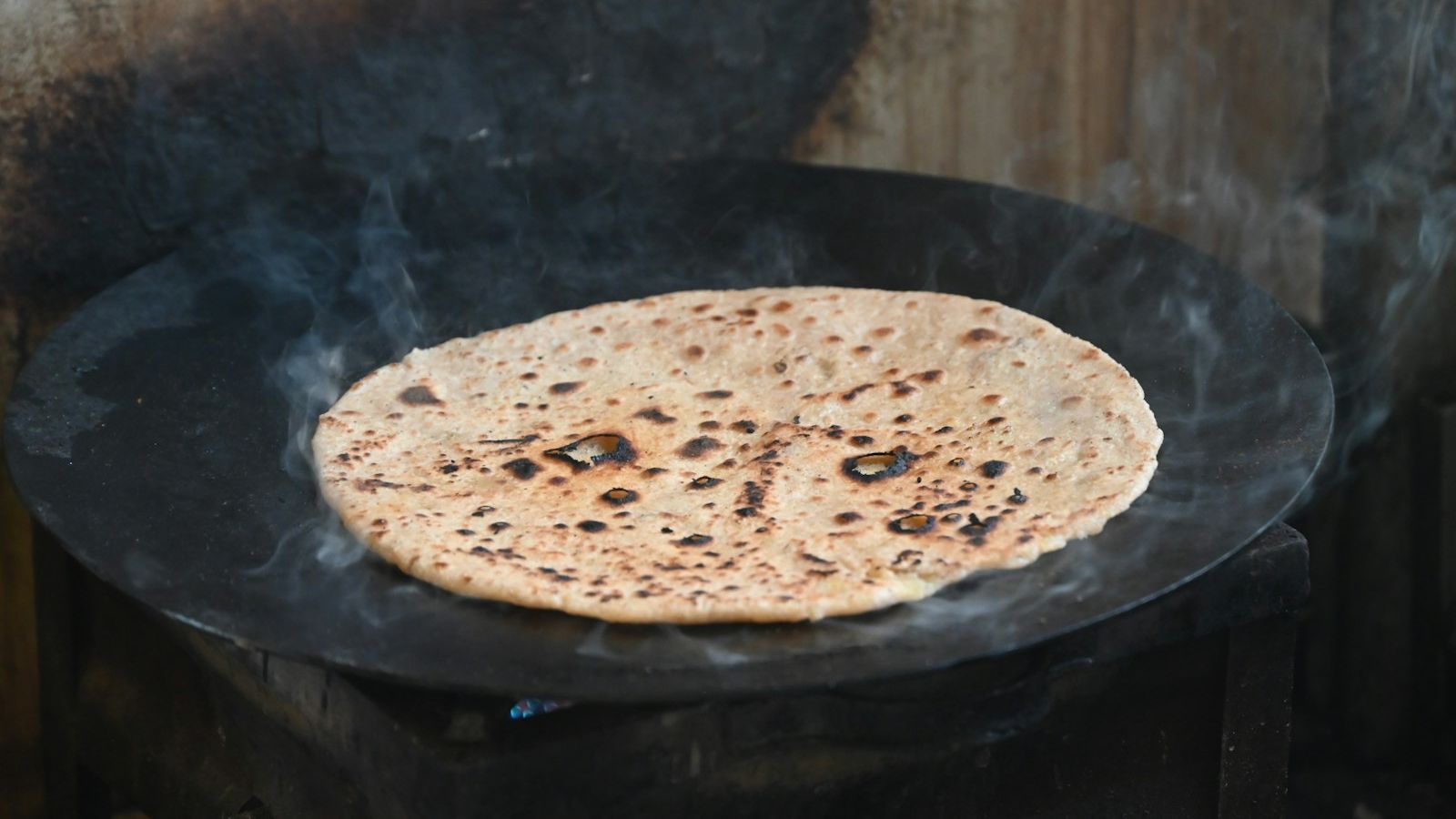
The short answer: Yes, whole-wheat chapati is a reasonable daily carbohydrate for most people with diabetes. It has a moderate glycemic index (commonly reported around 52-62) and, for many people, produces a gentler rise than white rice. But the chapati itself is only half the story - 1-2 chapatis per meal eaten with dal, sabzi, and a protein behaves completely differently from 3-4 chapatis eaten with a small katori of aloo. Portion and pairing decide everything.
"Clients often arrive convinced they must give up roti to control their sugar. They don't. What they give up is the fourth chapati and the habit of filling the plate with roti and treating dal and sabzi as side dishes. Flip the plate - half vegetables, a solid protein, and then the roti - and the same chapati stops being a problem." - Dt. Trishala Goswami, MSc Clinical Nutritionist, Certified Diabetes Educator
Chapati vs rice: the honest answer
Neither is banned. Whole-wheat chapati generally has a lower glycemic response than polished white rice, keeps you full longer thanks to more fibre and protein, and is easier to portion - you count rotis, whereas rice quietly gets refilled. That is why chapati is the default advice for many Indian diabetes plans.
But a person eating one measured katori of rice with plenty of dal and vegetables can do better than a person eating four chapatis. And in eastern and southern Indian food cultures, forcing a rice-eater onto roti often fails within weeks. The practical rule: pick the grain you will actually portion-control, and fix the portion. For the rice side of this debate, see rice for diabetics: the full picture.
How many chapatis can a diabetic eat?
For most people with diabetes, 1-2 chapatis per meal is the sensible range - roughly 15-20g of carbohydrate per medium phulka. What matters just as much:
- Thin phulka over thick roti. A thin, dry-roasted phulka is a smaller carbohydrate dose than a thick, large roti. Two phulkas can equal one heavy roti.
- No maida mixed in. Some households and most restaurants blend maida (refined flour) into the atta for softness. That strips the fibre and pushes the glycemic response up. At home, use 100% atta.
- Skip the oil smear as routine. A light ghee smear occasionally is fine; frying the roti or making it a daily parantha changes the calorie and fat math.
- Count, don't estimate. Serve your rotis at the start of the meal instead of taking them one by one - it is the simplest portion trick that works.
The atta question
Regular whole-wheat atta is acceptable, but the flour you choose can shift your response meaningfully. Chakki-fresh 100% whole wheat beats packaged blends with maida. Adding besan, soya flour, or millet flour to your atta increases protein and fibre and slows the glucose rise. We have covered this in detail - which flours, which ratios, and what to check on labels - in the best atta for diabetics in India.
The pairing rule: never roti alone
A chapati eaten with only a starchy sabzi (aloo, arbi) is essentially carbohydrate with carbohydrate. The same chapati eaten with a katori of dal, a plate of non-starchy vegetables, and some curd or paneer is absorbed far more slowly - protein, fibre, and fat all blunt the spike.
The working formula for a diabetes-friendly Indian thali: half the plate vegetables, a quarter protein (dal, paneer, egg, chicken, fish), a quarter grain (your 1-2 rotis). Eat the vegetables and protein first, roti after - even the eating order helps. This is the same principle that makes an Indian diabetic breakfast work: the carb is never alone on the plate.
The millet upgrade
If you want to go one step better than wheat, millet rotis - jowar, bajra, and ragi - are generally lower on the glycemic scale and bring more fibre, magnesium, and minerals. A jowar or bajra roti in place of one wheat chapati at dinner is one of the easiest upgrades an Indian diabetes plate can make. Millets are not magic, and portion still rules, but they tilt the odds in your favour. We compare them properly in millets vs rice: which is better for you.
As always, your own numbers are the final word: if you have a glucometer, check your 2-hour reading after your usual roti meal once. It tells you more about your chapati tolerance than any table of GI values.
This article is general nutrition guidance, not a substitute for your doctor's advice.
Related reading
References
- American Diabetes Association. Standards of Care in Diabetes: nutrition therapy. diabetes.org
- Indian Council of Medical Research - National Institute of Nutrition (ICMR-NIN). Nutritive Value of Indian Foods.
Frequently asked questions
Is chapati good for diabetes?
Yes, whole-wheat chapati is a reasonable daily carbohydrate for most people with diabetes. It has a moderate glycemic index (commonly reported around 52-62) and produces a gentler rise than white rice for many people. Keep it to 1-2 thin phulkas per meal, use 100% whole-wheat atta without maida, and always eat it with dal, vegetables, and a protein source.
How many chapatis can a diabetic eat in a day?
Most people with diabetes do well with 1-2 chapatis per meal, which usually means 3-4 in a day depending on total meals and activity. A medium phulka carries roughly 15-20g of carbohydrate. Thin, dry-roasted phulkas are better than thick rotis, and pairing every roti with dal, sabzi, and protein matters as much as the count. Your exact number depends on your sugars, weight, and activity.
Which is better for diabetes, chapati or rice?
Whole-wheat chapati is better than white rice for many people with diabetes - it generally has a lower glycemic response, more fibre, and is easier to portion. But neither is banned. A measured katori of rice with plenty of dal and vegetables can beat an oversized stack of rotis. Choose the grain you can realistically portion-control, and fix the portion and the pairing.
Which atta is best for diabetic rotis?
100% whole-wheat atta without any maida blended in is the baseline. Better still, mix in besan, soya flour, or millet flours (jowar, bajra, ragi) to add protein and fibre and slow the glucose rise. Chakki-fresh atta beats packaged multigrain blends that hide refined flour. Millet rotis on their own are a lower-GI upgrade over plain wheat chapati.
MSc Clinical Nutritionist · Diabetes Educator · Certified Nutrigenomics Specialist
Dt. Trishala Goswami is a clinical nutritionist and certified diabetes educator who designs personalized, science-backed nutrition programs for clients across India and abroad. She specializes in diabetes, PCOS, gut health, and nutrigenomics.
More about Dt. TrishalaWant a personalised Diabetes plan?
Articles can’t replace personalised care. Book a 30-min consultation with Dt. Trishala.
Living outside India? See how online consultations work for NRIs & global clients →
Related reads
Diabetes and Kidney Disease: An Indian Diet Guide for Both
Diabetes is the leading cause of kidney disease, yet the two diets contradict each other on rice, dal, millets and protein. A clinical nutritionist explains how to manage both on an Indian plate - and why the renal rules usually win.
Diabetes Diet for Elderly Indians: Softer Food, Weaker Appetite, More Medicines
Diabetes advice written for a 45-year-old can be actively harmful at 75. A Certified Diabetes Educator explains what changes with age - relaxed targets, higher protein needs, softer textures, and why tight control becomes the wrong goal.
Eating With More Than One Condition: An Indian Guide
Most diet advice assumes you have one condition. Real people have two or three, and the advice contradicts itself. A clinical nutritionist explains the five rules for resolving those conflicts - and applies them to the combinations Indians face most.