Is Makhana Good for Diabetes? (An Indian Dietitian Explains)

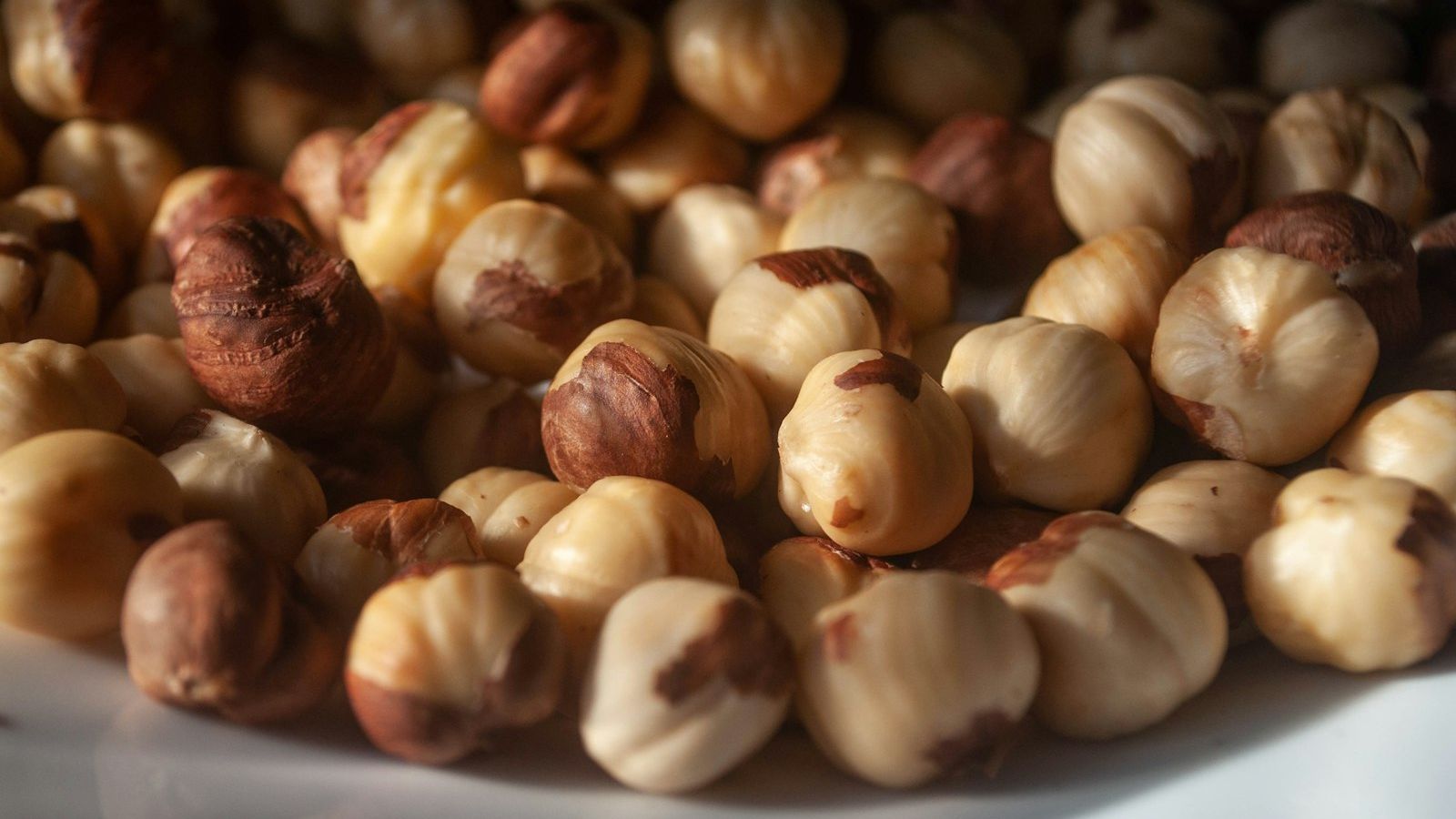
The short answer: Yes, makhana (fox nuts) is one of the better Indian snacks for diabetes. Dry-roasted makhana is low on the glycemic scale, low in calories, and brings useful fibre and magnesium - a katori of it comfortably beats biscuits, namkeen, or fried snacks in the evening snack window where most diabetes diets break. The trap is the packaged fried or masala-coated versions and ghee-heavy preparations, which turn a light snack into a calorie-dense one. Dry roast it, keep it to about a katori (25-30g), and it earns its place in a diabetes plan.
"When a client tells me their sugars are fine all day but the 5 pm biscuit habit is undoing them, makhana is one of the first swaps I suggest. It gives the same hand-to-mouth crunch as namkeen, but with a fraction of the glycemic and calorie load - as long as it is dry-roasted at home, not poured out of a fried masala packet." - Dt. Trishala Goswami, MSc Clinical Nutritionist, Certified Diabetes Educator
Why makhana works for diabetes
Makhana is the popped seed of the prickly water lily, and its nutrition profile suits a diabetes plate unusually well:
- Low glycemic impact. Makhana sits low on the glycemic scale, so a sensible portion produces a gentle rise rather than a spike.
- Low calorie when dry-roasted. A katori of plain roasted makhana is a light snack - most of its volume is air, which is exactly what you want from a crunchy snack.
- Fibre and satiety. The fibre content helps you feel done after a katori instead of reaching for more, which is where biscuits and namkeen fail.
- Magnesium and minerals. Makhana contributes magnesium, a mineral that plays a role in glucose metabolism and that many Indian diets run short on.
- Portion-friendly crunch. Psychologically, makhana satisfies the salty-crunchy craving that drives most evening snacking mistakes - it competes directly with the namkeen dabba and wins.
For where makhana fits among other smart options, see our full guide to diabetic snacking: smart Indian snack ideas.
How to prepare it: the fried masala trap
The makhana itself is not where things go wrong - the preparation is.
- Best: dry roast at home. Roast plain makhana on a dry tawa or in a pan over low flame until crisp, then season with a pinch of salt, pepper, chaat masala, or roasted jeera. This keeps it low-calorie and diabetes-friendly.
- Acceptable: a light touch of ghee. Half a teaspoon of ghee for a whole batch adds flavour and a little fat that slows digestion. That is fine.
- Avoid: packaged fried and masala makhana. Many commercial flavoured makhanas are fried in oil, coated in flavourings, and salted heavily. The label often reveals that "roasted" makhana has palm oil high on the ingredient list. That converts a light snack into a calorie-dense namkeen with the makhana halo still attached.
- Avoid: ghee-heavy preparations. Makhana kheer with sugar, or makhana swimming in ghee, belongs to festival food, not the daily diabetes plan.
Portion and timing: the evening window
- Portion: about 1 katori of dry-roasted makhana (25-30g) is a sensible single serving. Because it is airy and crunchy, it is easy to keep eating - so portion it into a bowl rather than snacking from the container.
- Timing: the 4-6 pm window is where most diabetes diets break - tea arrives, and biscuits, rusk, or namkeen follow. Placing makhana in that exact slot solves the problem where it actually occurs. It also works as a late-evening option when dinner is early and something crunchy is needed before bed.
- Upgrade the pairing: a few nuts mixed into the katori, or a cup of unsweetened tea alongside, makes it a steadier snack than makhana alone.
Swapping the daily biscuit-namkeen habit for a katori of roasted makhana is one of the highest-leverage snack changes on an Indian diabetes plan - it fixes a repeated daily behaviour, not a one-off treat. It belongs on the same list as the other foods that help lower blood sugar the Indian way.
Is makhana good for PCOS too?
Yes - the same qualities that make makhana diabetes-friendly (low glycemic impact, fibre, portion-controlled crunch) make it a smart snack for PCOS, where insulin resistance drives many symptoms; see our guide to the best foods for PCOS.
This article is general nutrition guidance, not a substitute for your doctor's advice.
Related reading
References
- American Diabetes Association. Standards of Care in Diabetes: nutrition therapy. diabetes.org
- Indian Council of Medical Research - National Institute of Nutrition (ICMR-NIN). Nutritive Value of Indian Foods.
Frequently asked questions
Is makhana good for diabetes?
Yes, makhana (fox nuts) is one of the better Indian snacks for diabetes. Dry-roasted makhana is low on the glycemic scale, low in calories, and provides fibre and magnesium. A katori of plain roasted makhana is a far better evening snack than biscuits or namkeen. Avoid packaged fried or masala versions, which are oil-heavy and undo the benefit.
How much makhana can a diabetic eat daily?
About 1 katori (25-30g) of dry-roasted makhana a day is a sensible portion for most people with diabetes. Because makhana is airy and easy to over-eat, portion it into a bowl rather than eating from the packet. It works best in the 4-6 pm snack window as a replacement for biscuits, rusk, or namkeen, optionally with a few nuts mixed in.
Is fried or masala makhana okay?
Not really. Many packaged masala makhanas are fried in oil (often palm oil), heavily salted, and coated in flavourings, which turns a light low-calorie snack into a calorie-dense namkeen. Check the ingredient list - if oil appears high on it, treat it like any other fried snack. Dry roast plain makhana at home instead; a pinch of salt, pepper, or chaat masala is all it needs.
Is makhana good for PCOS too?
Yes. The same properties that make makhana work for diabetes - low glycemic impact, fibre, and a satisfying portion-controlled crunch - make it a good snack choice for PCOS, where insulin resistance is a central driver of symptoms. A katori of dry-roasted makhana is a smarter crunchy snack than biscuits or chips for anyone managing PCOS.
MSc Clinical Nutritionist · Diabetes Educator · Certified Nutrigenomics Specialist
Dt. Trishala Goswami is a clinical nutritionist and certified diabetes educator who designs personalized, science-backed nutrition programs for clients across India and abroad. She specializes in diabetes, PCOS, gut health, and nutrigenomics.
More about Dt. TrishalaWant a personalised Diabetes plan?
Articles can’t replace personalised care. Book a 30-min consultation with Dt. Trishala.
Living outside India? See how online consultations work for NRIs & global clients →
Related reads
Diabetes and Kidney Disease: An Indian Diet Guide for Both
Diabetes is the leading cause of kidney disease, yet the two diets contradict each other on rice, dal, millets and protein. A clinical nutritionist explains how to manage both on an Indian plate - and why the renal rules usually win.
Diabetes Diet for Elderly Indians: Softer Food, Weaker Appetite, More Medicines
Diabetes advice written for a 45-year-old can be actively harmful at 75. A Certified Diabetes Educator explains what changes with age - relaxed targets, higher protein needs, softer textures, and why tight control becomes the wrong goal.
Eating With More Than One Condition: An Indian Guide
Most diet advice assumes you have one condition. Real people have two or three, and the advice contradicts itself. A clinical nutritionist explains the five rules for resolving those conflicts - and applies them to the combinations Indians face most.