Is Mango Good for Diabetes? (An Indian Dietitian Explains)

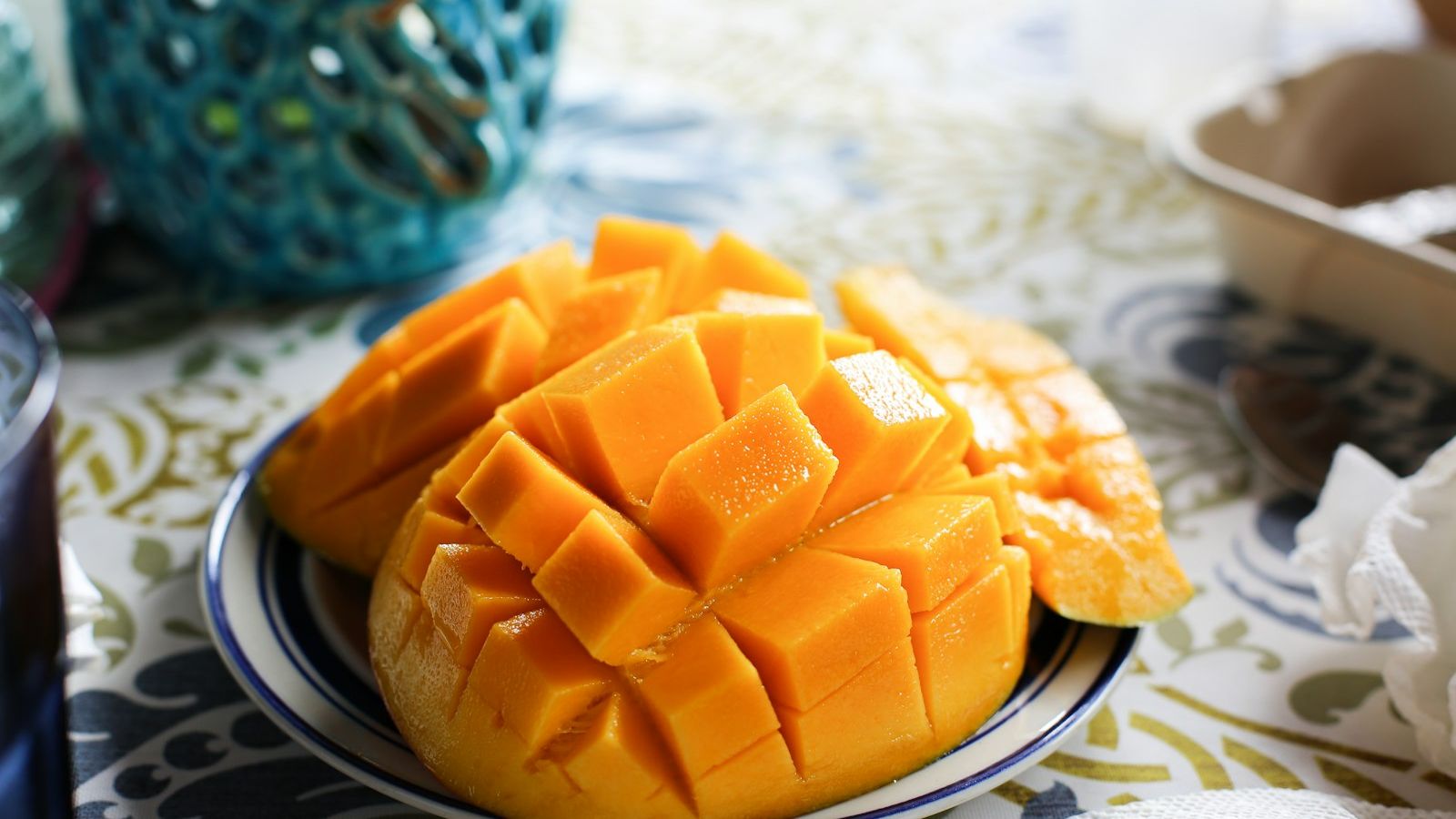
The short answer: Yes, most people with diabetes can eat mango - in a measured way. About half a cup of cut mango (roughly 100g) eaten with a protein or fat such as nuts, curd, or paneer fits most diabetes diets. Mango has a low-to-medium glycemic index (commonly reported around 51-60), so the fruit itself is not the villain. What spikes blood sugar is a large bowl, a mango shake, or aamras - and the season-long habit of eating mango every single day in big quantities.
"Every summer, clients ask me if they must give up mango completely. My answer is no - give up the aamras katori and the daily shake, not the fruit. Half a cup of cut mango after lunch, with some protein on the plate, behaves very differently from two mangoes eaten alone at 4 pm." - Dt. Trishala Goswami, MSc Clinical Nutritionist, Certified Diabetes Educator
Why mango gets demonized
Mango is the sweetest-tasting fruit on the Indian table, so it is assumed to be the worst for blood sugar. But sweetness is not the same as glycemic impact. Whole mango delivers its sugar along with fibre, vitamin A, vitamin C, and polyphenols, and the fibre slows how fast that sugar reaches your blood. The real problem is cultural, not nutritional: mango season is short, so we eat it daily, in large portions, often as juice or dessert. It is that pattern - not the fruit - that pushes sugars and HbA1c up by the end of summer.
GI vs glycemic load: portion decides everything
Mango's glycemic index is commonly reported around 51-60 - low-to-medium, similar to banana. But GI only tells you how fast a fixed amount of carbohydrate is absorbed. Glycemic load - how much you actually eat - is what your glucometer responds to.
- Half a cup of cut mango (~100g) is roughly 15g of carbohydrate - a standard fruit portion that most diabetes diets can absorb.
- A full mango or a heaped bowl can easily be double or triple that, and the same "medium GI" fruit now behaves like a high-glycemic dessert.
- Juice, shakes, and aamras remove or bypass the fibre buffer and concentrate the sugar of more than one mango into a single glass or katori.
In other words: a moderate GI with a small portion is manageable. A moderate GI with a large portion is not. See our glycemic index guide to Indian foods for how this plays out across the plate.
Does ripeness matter?
Less than people think. A riper mango tastes sweeter and shifts slightly more of its starch to sugar, but for mango the difference between varieties and ripeness stages is small compared to the difference between half a cup and a full bowl. Quantity is the lever that matters here. Do not spend your effort hunting for a "less sweet" mango - spend it on measuring the portion.
How to eat mango with diabetes
- Portion: about half a cup of cut mango (~100g) at a time, a few times a week rather than daily all season.
- Pair it: eat it with a protein or fat - a handful of nuts, a bowl of curd, or a few cubes of paneer - so the sugar is absorbed more slowly.
- Time it: have it after a meal as dessert rather than alone as a snack on an empty stomach.
- Never as liquid: skip mango juice, mango shakes, and large bowls of aamras. Blending or pulping strips the fibre buffer and multiplies the portion.
- Swap, don't add: count mango as your fruit serving for the day, not as an extra on top of other fruit.
For where mango sits among other fruits, see diabetes-friendly fruits and how to eat them. And if you have made peace with banana using the same rules, mango follows the same logic - see is banana good for diabetes.
Who should be extra careful
If your diabetes is poorly controlled, your HbA1c is high, or you see large post-meal spikes, treat mango as an occasional, small, always-paired treat - or wait until your numbers improve. The most useful step is personal: if you have a glucometer, check your 2-hour reading after your usual mango portion once. Your own response is the final word, and it often settles the mango debate better than any article.
This article is general nutrition guidance, not a substitute for your doctor's advice.
Related reading
References
- American Diabetes Association. Standards of Care in Diabetes: nutrition therapy. diabetes.org
- Indian Council of Medical Research - National Institute of Nutrition (ICMR-NIN). Nutritive Value of Indian Foods.
Frequently asked questions
Can diabetics eat mango?
Yes, most people with diabetes can eat mango in moderation. About half a cup of cut mango (~100g), eaten with a protein or fat like nuts, curd, or paneer, fits most diabetes diets. Mango has a low-to-medium glycemic index (commonly reported around 51-60). Avoid large portions, daily season-long consumption, and mango in liquid form such as juice, shakes, or aamras.
How much mango can a diabetic eat in a day?
For most people with diabetes, about half a cup of cut mango (roughly 100g) at a time is a sensible portion, ideally after a meal and paired with a protein source. Eating it a few times a week is safer than every day through the season. If your blood sugar is not well controlled, keep it smaller and less frequent, and check your 2-hour post-meal reading.
Does mango increase blood sugar?
Mango raises blood sugar moderately when eaten as a small portion of whole fruit, because its fibre slows absorption. It raises blood sugar sharply when eaten in large quantities, on an empty stomach, or as juice, shakes, or aamras, where the fibre buffer is lost and the sugar of multiple mangoes is concentrated into one serving. Portion and form decide the spike.
Is aamras or mango shake okay for diabetics?
No, aamras and mango shakes are the worst ways for a person with diabetes to have mango. Pulping or blending removes the fibre buffer of the whole fruit and typically packs the sugar of two or more mangoes into a single katori or glass, causing a fast, large blood sugar spike. If you have diabetes, eat mango as cut fruit in a measured portion instead.
MSc Clinical Nutritionist · Diabetes Educator · Certified Nutrigenomics Specialist
Dt. Trishala Goswami is a clinical nutritionist and certified diabetes educator who designs personalized, science-backed nutrition programs for clients across India and abroad. She specializes in diabetes, PCOS, gut health, and nutrigenomics.
More about Dt. TrishalaWant a personalised Diabetes plan?
Articles can’t replace personalised care. Book a 30-min consultation with Dt. Trishala.
Living outside India? See how online consultations work for NRIs & global clients →
Related reads
Diabetes and Kidney Disease: An Indian Diet Guide for Both
Diabetes is the leading cause of kidney disease, yet the two diets contradict each other on rice, dal, millets and protein. A clinical nutritionist explains how to manage both on an Indian plate - and why the renal rules usually win.
Diabetes Diet for Elderly Indians: Softer Food, Weaker Appetite, More Medicines
Diabetes advice written for a 45-year-old can be actively harmful at 75. A Certified Diabetes Educator explains what changes with age - relaxed targets, higher protein needs, softer textures, and why tight control becomes the wrong goal.
Eating With More Than One Condition: An Indian Guide
Most diet advice assumes you have one condition. Real people have two or three, and the advice contradicts itself. A clinical nutritionist explains the five rules for resolving those conflicts - and applies them to the combinations Indians face most.