Is Jaggery Safe for Diabetics? The Science Behind the Myth

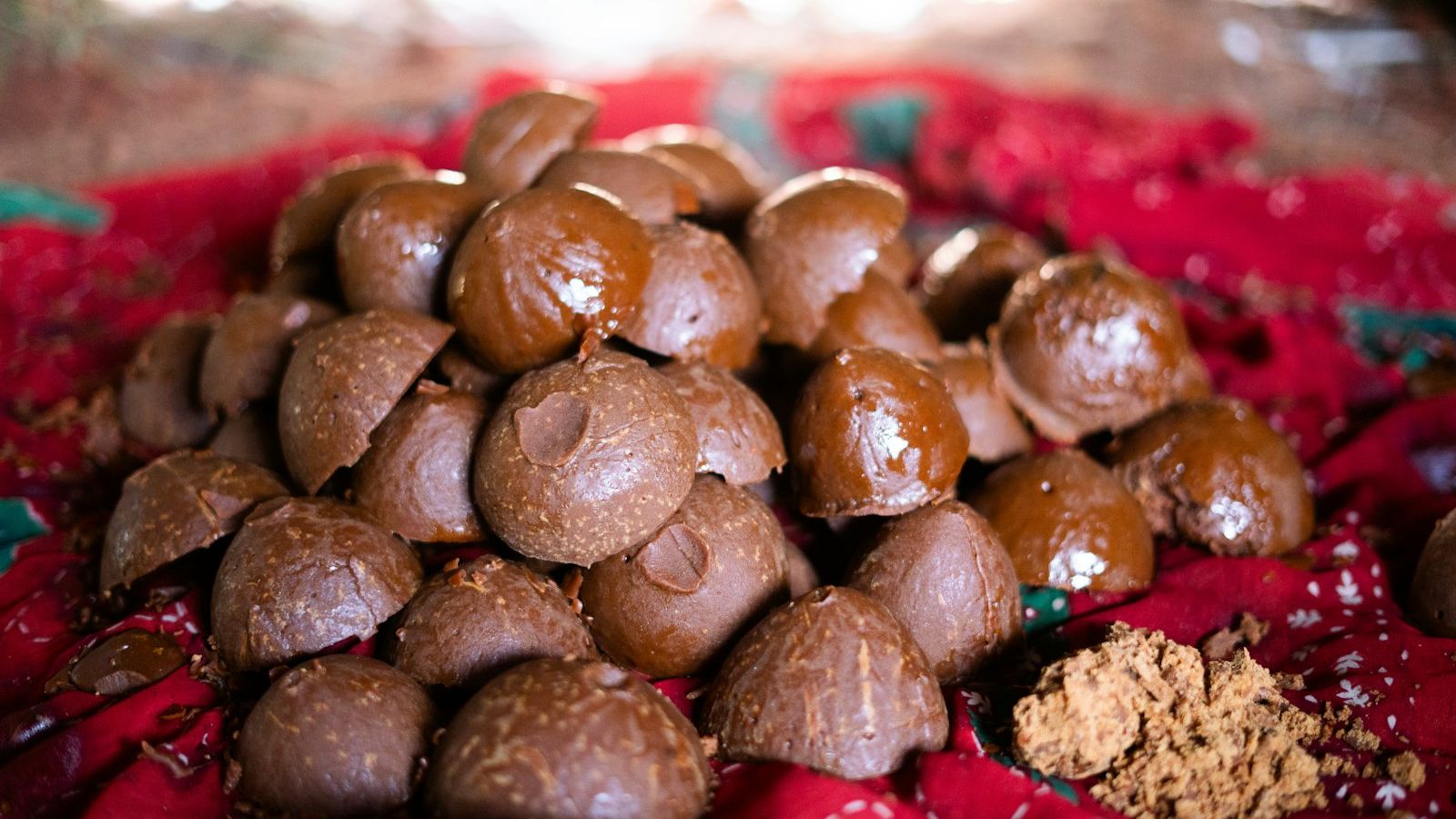
"The word 'natural' does not mean 'safe for diabetes'. Jaggery, honey, and dates all raise blood sugar - in some cases faster than white sugar. This myth is one of the most common and most damaging I encounter in clinical practice." - Dt. Trishala Goswami, MSc Clinical Nutritionist, Certified Diabetes Educator
A client - let us call him Ramesh - came to me six months after his Type 2 diabetes diagnosis. He had made one significant dietary change: he had replaced all sugar in his diet with jaggery and honey, believing these were "natural" and therefore safe. He had been having two cups of tea with jaggery per day, adding it to his porridge, and using it freely in cooking. His HbA1c at the next check was 9.2% - significantly worse than at diagnosis. He was genuinely confused. "But I stopped sugar completely," he said.
This is one of the most common misconceptions in Indian diabetes management, and it is causing real harm.
The Glycaemic Index of Jaggery
The glycaemic index (GI) measures how quickly a food raises blood glucose compared to pure glucose (GI = 100). White sugar (sucrose) has a GI of approximately 65. Jaggery's GI has been measured in multiple studies at 84-100 - in some preparations, it raises blood sugar faster than white sugar.
This seems counterintuitive. Jaggery is less processed, darker in colour, and contains trace minerals. Surely it must be healthier?
The key is understanding what affects the GI of sweeteners. Sucrose (white sugar) is 50% fructose and 50% glucose. Fructose is metabolised in the liver and does not directly raise blood glucose - which is part of why sucrose has a lower GI than glucose alone. Jaggery, depending on the source and processing, may contain more direct glucose and sucrose in proportions that result in a faster blood sugar rise than white sugar.
What About the Minerals?
Jaggery does contain small amounts of iron, calcium, magnesium, and potassium - nutrients largely absent in white sugar. This is nutritionally true and worth acknowledging.
However, the quantities are negligible. A typical serving of jaggery (1 teaspoon, ~7 grams) provides approximately:
- Iron: 0.3 mg (about 1.5% of daily need)
- Calcium: 8 mg (less than 1% of daily need)
You would need to consume 50-100 grams of jaggery to get a meaningful amount of these minerals - at which point you would be consuming 200-400 calories of pure sugar equivalents, which would be catastrophic for blood sugar management.
The minerals in jaggery are, in practical terms, nutritionally irrelevant. They do not change the blood sugar impact.
The "Natural = Safe" Fallacy
The word "natural" refers to the origin and processing of a food, not its physiological effect. Arsenic is natural. So is cyanide. So, more relevantly, is fruit juice - which can spike blood sugar faster than a cola in people with diabetes because the fibre is removed.
The foods that raise blood sugar do so because of their carbohydrate chemistry, not their origin. Jaggery is 65-85% sucrose and simple sugars. It behaves in the body accordingly.
This same logic applies to other "natural" sweeteners that Indian diabetics commonly consume in the belief they are safe: honey (GI ~55-75), dates (GI ~42-65 - lower GI but extremely energy-dense; 3-4 dates = 30-40g sugar), and coconut sugar (GI ~35 - lower than jaggery but still significant).
What Diabetics Can Actually Use
The goal is not to find a natural sweetener that "doesn't count" - no sweetener is free from blood sugar impact at meaningful doses. The more useful framing is: how to reduce overall sweetness dependence while making the least harmful choices when sweetness is genuinely needed.
Stevia (zero GI, zero calories): Derived from the stevia plant. Does not raise blood sugar. Safe for diabetics at typical food doses. Can be used in chai, desserts, and cooking. Slightly bitter aftertaste that most people adapt to. Available in India as powder and liquid drops.
Monk fruit sweetener (zero GI): Less widely available in India but increasingly so. No blood sugar impact. Excellent for baking.
Coconut sugar (GI ~35): Lower GI than jaggery and white sugar. Still raises blood sugar - the lower GI means a slower, gentler rise. Appropriate in very small amounts (1/4 teaspoon in a recipe that serves 4) when absolute sweetness is needed. Not a free food.
The most effective approach: Gradually reduce overall sweetness in cooking and beverages. Two-cup chai drinkers who start with two teaspoons of sugar per cup can reduce to one, then half, then just a pinch of cinnamon for warmth. The taste buds adapt within 2-3 weeks. This reduces the baseline sweetness load far more effectively than swapping one sweetener for another.
How Much Does One Teaspoon of Jaggery Raise Blood Sugar?
One teaspoon of jaggery (~7 grams) contains approximately 6.5 grams of carbohydrate. This is roughly equivalent to one teaspoon of white sugar. Two cups of chai with one teaspoon of jaggery each = 13 grams of fast-acting carbohydrate before the meal even starts. For a Type 2 diabetic managing post-meal glucose, this is a meaningful and unnecessary contribution to the blood sugar burden.
A Note on HbA1c
HbA1c reflects average blood glucose over the previous 3 months. If you have replaced sugar with jaggery but your HbA1c is not improving - or is worsening - this is the likely reason. The substitution has not reduced your blood sugar load; it has simply changed the label on the sweetener.
If you are working on improving your HbA1c, read why HbA1c may not come down despite dieting for a full clinical breakdown. For a structured diabetes nutrition approach with Dt. Trishala, see our Diabetes Management programme.
Frequently asked questions
Is jaggery better than sugar for diabetics?
No, not in a clinically meaningful way. Jaggery has a glycaemic index of 84-100, similar to or higher than white sugar (GI ~65). It contains trace minerals but in quantities too small to provide nutritional benefit at safe serving sizes. For diabetics, both jaggery and white sugar should be minimised. Stevia or monk fruit are better options when sweetness is needed.
What is the glycaemic index of jaggery?
Studies report jaggery's GI between 84 and 100, depending on the source and preparation method. This means it raises blood glucose rapidly - at or above the rate of white sugar. By comparison, white sugar has a GI of approximately 65, glucose has a GI of 100. Jaggery is not a lower-GI alternative to sugar for diabetics.
Can Type 2 diabetics eat jaggery occasionally?
Very small amounts - less than half a teaspoon occasionally in a recipe - may be acceptable depending on overall blood sugar control and total carbohydrate intake for the meal. This is very different from using jaggery freely as a sugar replacement. Discuss your specific tolerance with your healthcare provider based on your glucose monitoring data.
What sweetener is best for diabetics in India?
Stevia is the most practical zero-impact sweetener widely available in India. It does not raise blood sugar, has no calories, and is safe at typical food doses. Monk fruit sweetener is an alternative if available. For those who find the taste of stevia too bitter, reducing overall sweetness gradually - rather than substituting - is often more effective long-term.
Is coconut sugar okay for diabetics?
Coconut sugar has a lower GI (~35) than jaggery or white sugar, but it still raises blood sugar and contains similar calories. It is a marginally better option in very small quantities as part of a recipe, but it should not be used freely. It is not a safe substitute for diabetics who need to meaningfully control blood sugar.
MSc Clinical Nutritionist · Diabetes Educator · Certified Nutrigenomics Specialist
Dt. Trishala Goswami is a clinical nutritionist and certified diabetes educator who designs personalized, science-backed nutrition programs for clients across India and abroad. She specializes in diabetes, PCOS, gut health, and nutrigenomics.
More about Dt. TrishalaWant a personalised Diabetes plan?
Articles can’t replace personalised care. Book a 30-min consultation with Dt. Trishala.
Living outside India? See how online consultations work for NRIs & global clients →
Related reads
Diabetes and Kidney Disease: An Indian Diet Guide for Both
Diabetes is the leading cause of kidney disease, yet the two diets contradict each other on rice, dal, millets and protein. A clinical nutritionist explains how to manage both on an Indian plate - and why the renal rules usually win.
Diabetes Diet for Elderly Indians: Softer Food, Weaker Appetite, More Medicines
Diabetes advice written for a 45-year-old can be actively harmful at 75. A Certified Diabetes Educator explains what changes with age - relaxed targets, higher protein needs, softer textures, and why tight control becomes the wrong goal.
Eating With More Than One Condition: An Indian Guide
Most diet advice assumes you have one condition. Real people have two or three, and the advice contradicts itself. A clinical nutritionist explains the five rules for resolving those conflicts - and applies them to the combinations Indians face most.