Portion Control the Indian Way: No Measuring Cups Needed

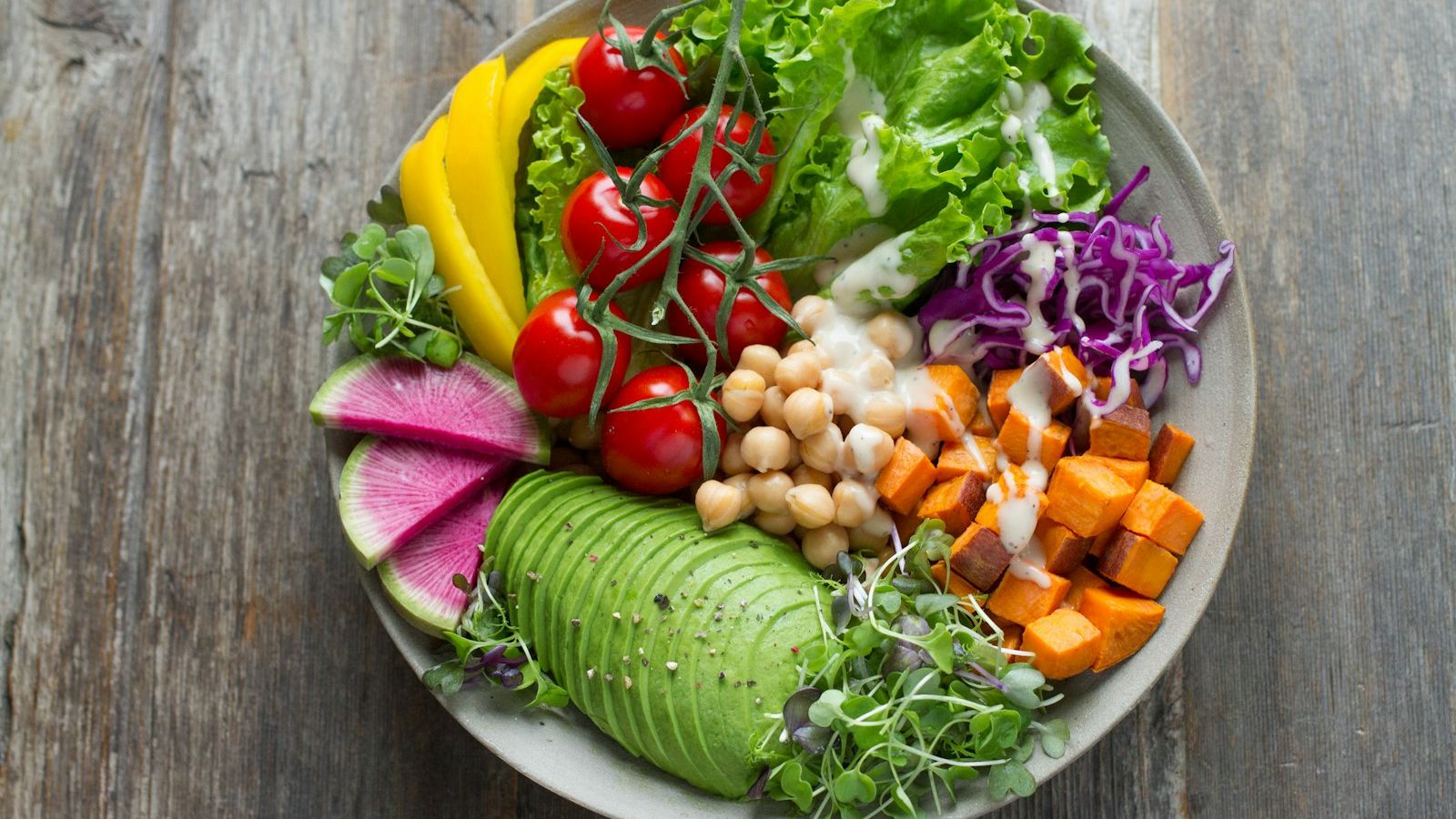
"The Indian thali was never designed for excess. When you serve food in katoris and eat from a single plate, your portions are naturally controlled - no calorie app required." - Dt. Trishala Goswami, MSc Clinical Nutritionist
"I know what to eat. I just do not know how much to eat." If I had to pick one sentence I hear most frequently in my practice, it would be this. Women come to me with impressive nutritional knowledge - they understand that dal is protein, that millets are better than maida, that green vegetables are important. But they are lost when it comes to portions.
And honestly, most of the portion control advice available does not help. It is built around Western meal formats - a single plate with defined sections for protein, starch, and vegetables. The tools are measuring cups calibrated in American cup sizes that bear no relationship to how Indian food is cooked or served. A "serving" of rice in MyFitnessPal is 45 grams dry - but who weighs dry rice before cooking it?
The truth is that Indian cuisine already has an elegant, time-tested portion control system embedded in its serving culture. The katori. The thali. The roti. These are not just cultural artifacts - they are portion regulators. The problem is not that Indian food lacks portion infrastructure. The problem is that we have abandoned our traditional serving practices in favour of buffet-style, help-yourself meals and oversized plates.
In my clinical experience as a nutritionist, the clients who achieve the most sustainable weight management are not the ones counting calories. They are the ones who return to the structural discipline of traditional Indian meal presentation.
Table of Contents
Why Western Portion Tools Fail for Indian Meals
The standard Western nutrition framework divides food into neat categories: a "serving" of protein, a "serving" of carbohydrate, a "serving" of fat. This works tolerably well when your meal is a chicken breast, a scoop of mashed potato, and a side salad. Each component sits independently on the plate. You can eyeball or measure each one.
Indian meals do not work this way. Consider a typical North Indian lunch: dal (protein plus carbohydrate), rice (carbohydrate), roti (carbohydrate), sabzi cooked in oil (vegetable plus fat), raita (dairy plus vegetable), and perhaps a small portion of pickle. Each dish is a composite. The dal contains ghee tadka. The sabzi is cooked with oil and sometimes potato. The raita has salt and roasted cumin. Isolating "the protein component" or "the fat component" is practically impossible without laboratory equipment.
Research supports this challenge. A study published in the Asia Pacific Journal of Clinical Nutrition (Vaz et al., 2005) found that traditional Indian meals contain a higher number of food items per meal occasion compared to Western meals, making standard portion estimation significantly less accurate. The multi-dish, shared-serving format of Indian dining creates unique challenges for portion awareness.
Furthermore, the concept of "cups" as measurement units creates confusion. An American "cup" is 240 ml. An Indian steel katori ranges from 120 to 200 ml depending on size. When a nutrition app tells you to eat "one cup of rice," the amount you serve depends entirely on which vessel you interpret as a "cup." In my practice, I have seen clients eat anywhere from 150 ml to 350 ml of rice while believing they were all eating "one cup."
The solution is not more precise Western measurement tools. It is returning to Indian measurement traditions that are calibrated to Indian food and Indian serving contexts.
The Katori System: India's Built-In Portion Control
The standard stainless steel katori - the small, round bowl that accompanies a thali - holds approximately 150 ml of liquid or semi-solid food. This is not an accident. Traditional Indian meal service evolved to present multiple small quantities of varied dishes, ensuring nutritional diversity while naturally limiting the amount of any single food.
Here is how the katori system works as a portion framework:
One katori of dal or sambar provides roughly 8-10 grams of protein (depending on the lentil) and 15-18 grams of carbohydrate. This is a physiologically appropriate serving for a single meal. Two katoris would double the caloric contribution without doubling the protein benefit (because the additional calories come primarily from carbohydrate and the cooking fat).
One katori of cooked sabzi provides 1-2 vegetable servings depending on density. A katori of palak paneer contains roughly 80-100 calories - manageable. But ladled generously, the same dish in a large serving bowl could easily triple that.
One katori of curd or raita delivers approximately 60-80 calories and beneficial probiotics without excessive dairy load.
The genius of the katori is that it creates a natural stopping point. When your dal is in a small, defined bowl rather than a large serving pot from which you help yourself, you eat what is presented. Research in portion size psychology, particularly the work of Wansink and Cheney (2005) published in the Journal of the American Dietetic Association, conclusively demonstrates that people eat more when served larger portions - a phenomenon called "portion distortion." Smaller serving vessels directly reduce intake without requiring conscious restraint.
In my clinical protocols, I ask clients to purchase a standard set of six stainless steel katoris and use them consistently for all semi-solid and liquid dishes. This single change - no calorie counting, no food tracking - typically reduces daily intake by 15-20% within the first week.
The Thali Plate Method
The traditional Indian thali is a masterclass in meal composition. A standard 12-inch thali plate, served correctly, contains:
- 2-3 katoris of different preparations (dal, sabzi, raita or curd)
- A defined space for rice or roti (not both in excess)
- A small accompaniment area for pickle, chutney, or salad
- Visual boundaries that prevent food from piling up
The thali plate method I teach in my practice adapts this traditional format with specific proportional guidelines:
Half the plate: Vegetables and salad. This includes one katori of cooked sabzi plus raw vegetables (kachumber salad, cucumber slices, carrot sticks). The volume of vegetables should visually dominate the plate. This is the single most impactful change for weight management - vegetables provide bulk, fibre, and micronutrients with minimal caloric density.
One quarter: Protein-rich preparation. One katori of dal, sambar, rajma, chole, paneer-based dish, egg curry, chicken curry, or fish preparation. For vegetarian clients, I often recommend two different protein sources in half-katori portions - for example, half katori dal plus half katori curd - to improve amino acid diversity.
One quarter: Grain or starchy component. This is where most portion errors occur. The rice or roti section should occupy only one-quarter of the total plate. For rice, this translates to approximately one medium katori of cooked rice (about 100-120 grams). For roti, this means 1-2 medium phulkas - not the large, thick parathas that have become standard in many households.
A systematic review by Benton (2015) in the International Journal of Obesity confirmed that plate size and plate composition cues significantly influence total energy intake. The structured visual format of the thali, when portions are correctly allocated, serves as a built-in overeating prevention system.
Hand-Size Portions: Your Personal Measuring Tool
Your hands are proportional to your body size. A larger person has larger hands and needs slightly larger portions. A smaller person has smaller hands. This makes your hands the most personalized, always-available measuring tool.
Your fist equals approximately one katori or one serving of cooked rice, dal, or sabzi. When serving yourself rice, aim for a fist-sized mound.
Your cupped palm is the appropriate protein serving. A cupped palm of cooked dal (the thick part, not the watery portion) or a palm-sized piece of paneer, chicken, or fish represents roughly 20-25 grams of protein - an appropriate single-meal serving.
Your thumb tip to first knuckle represents a serving of fat. One thumb-tip of ghee on your roti, one thumb-tip of oil for cooking a single serving. This visual helps clients realize how much fat they are actually using - I have had clients who were adding three to four thumb-equivalents of ghee to a single roti without realizing the caloric impact.
Your entire hand, fingers spread represents a serving of raw leafy vegetables. You need at least this much salad or raw vegetables at every meal. Most clients are nowhere near this quantity.
I introduce hand portions with clients who travel frequently or eat at others' homes, where katoris and thali plates are not available. The beauty of this system is that it requires zero equipment and works in any setting - a restaurant, a wedding buffet, a colleague's lunch party.
Visual Cues for Dal, Rice, Roti, and Sabzi
Let me break down the specific visual portion targets for India's most common daily foods:
Rice: One medium katori of cooked rice, or a fist-sized mound on your plate. This weighs approximately 100-120 grams and provides about 130-150 calories. If you are accustomed to two or three heaping servings, reduce gradually - go from three to two for a week, then from two to one and a half, then to one. Abrupt restriction creates psychological backlash.
Roti/Phulka: One medium phulka (approximately 6-7 inches diameter) made from one small ball of dough (about 30 grams of atta) provides roughly 70-80 calories. For most women managing their weight, 1-2 phulkas per meal is appropriate. The issue I see frequently is oversized rotis - some households make rotis from 50-60 gram dough balls, effectively doubling the caloric content per roti.
Dal: One standard katori of medium-consistency dal. I advise clients to make their dal on the thicker side - watery dal encourages you to take more because it does not feel substantial. A thick, well-cooked dal with a proper tadka is more satiating per katori. Masoor dal and moong dal are the lightest options at roughly 90-100 calories per katori; rajma and chole are denser at 130-160 calories per katori.
Sabzi: One generous katori of cooked vegetables. Here, I actually encourage clients to be liberal - within reason. The caloric density of most sabzis (excluding potato-based and paneer-heavy preparations) is low enough that an extra half-katori has minimal caloric impact but significant satiety benefit. Prioritize sabzis made from gourd family vegetables (lauki, tori, tinda, parwal), leafy greens (palak, methi, sarson), and cruciferous vegetables (gobhi, broccoli).
Curd/Raita: One small katori (about 100 ml) of fresh dahi or raita per meal. Full-fat dahi is preferred for satiety. The probiotic benefit diminishes with heating, so serve it fresh and cold.
Restaurant Portions: Why Eating Out Derails Progress
Restaurant economics dictate that portions be generous. A customer who feels they received a small serving is unlikely to return. This means restaurant portions in India are routinely 2-3 times what a home-cooked katori would provide.
A single restaurant serving of butter chicken contains approximately 400-500 calories - enough protein and fat for two meals. A restaurant naan is made from 80-100 grams of maida (compared to a 30-gram home phulka). A plate of biryani from a restaurant typically contains 350-400 grams of cooked rice - three to four times the recommended single serving.
Research by Urban et al. (2016) published in the Journal of the Academy of Nutrition and Dietetics found that restaurant meals contain on average 1,200 calories - roughly half the daily requirement for a moderately active woman - in a single sitting.
My practical restaurant strategies for clients:
Share main courses. Order one main dish for two people and supplement with a salad or raita. This halves the portion automatically while still allowing you to enjoy restaurant food.
Request a separate plate immediately. Transfer your intended portion to the plate and set the rest aside. Eating from a large shared serving bowl eliminates portion awareness entirely.
Skip the bread basket or limit to one piece. Restaurant naans and parathas are where hidden calories accumulate fastest. One garlic naan from a restaurant can contain 300-350 calories - more than your entire dal.
Order a soup or salad as a starter. The pre-meal volume reduces how much you eat of the calorie-dense main course. Shorba, tomato soup, or a simple kachumber are good options.
Building Your Personal Portion Framework
Portion control is not about eating less. It is about eating the right quantity for your body, your activity level, and your metabolic goals. Here is how I recommend building your personalized framework:
Week 1: Switch to the katori and thali system for all home meals. Use standard steel katoris. Serve yourself once and eat from a single plate. Do not refill katoris during the meal.
Week 2: Apply hand portions when eating outside the home. Practice estimating rice (fist), protein (cupped palm), and fat (thumb tip) at restaurants and gatherings.
Week 3: Calibrate based on hunger and energy. If you feel genuinely hungry between meals, add an extra half-katori of sabzi or dal (not rice or roti). If you feel sluggish after meals, reduce the grain quarter of your plate slightly.
Week 4: Refine. By now, your body has adjusted to appropriate portions. The goal is for these quantities to feel normal - not restrictive. If something still feels like deprivation, the portions need adjustment. Sustainable portions should feel adequate, not punishing.
This gradual approach is critical. Abrupt portion reduction triggers psychological and physiological compensatory responses - increased cravings, reduced metabolic rate, and preoccupation with food. A study by Polivy and Herman (1985) in the American Psychologist described the "restraint theory" of eating, demonstrating that rigid dietary restraint paradoxically increases the likelihood of overeating episodes. Gentle, progressive portion calibration avoids this trap.
Key Takeaways
- Western portion tools (measuring cups, food scales, calorie-counting apps) are poorly suited to Indian multi-dish, composite meals.
- The katori system naturally controls portions: one standard steel katori per dish limits intake without requiring conscious restraint.
- The thali plate method divides your plate into half vegetables, one-quarter protein, and one-quarter grains.
- Your hands provide personalized, always-available measuring tools: fist for grains, cupped palm for protein, thumb tip for fats.
- Make dal thicker, prioritize non-starchy sabzis, and limit roti to 1-2 medium phulkas per meal.
- Restaurant portions are 2-3 times home portions - share dishes, plate your portion separately, and skip the bread basket.
- Reduce portions gradually over 3-4 weeks to avoid psychological backlash and metabolic compensation.
Ready to build a portion framework tailored to your body and goals? As a clinical nutritionist, I help clients move beyond generic portion advice to create personalized meal structures based on their metabolic profile, activity level, and food preferences. Book a consultation on WhatsApp to get started: Chat with Dt. Trishala on WhatsApp
Medical Disclaimer: This article is for educational purposes only and does not constitute medical advice. Portion requirements vary significantly based on individual health conditions, activity levels, medications, and metabolic status. Please consult a qualified healthcare professional or registered dietitian before making significant changes to your dietary habits, especially if you have diabetes, kidney disease, eating disorders, or other medical conditions. The information provided here reflects evidence-based nutritional science but should be personalized under professional guidance.
Want a sustainable plan built around Indian food? Explore our weight-loss program with Dt. Trishala Goswami, or read online vs in-person dietitian.
MSc Clinical Nutritionist · Diabetes Educator · Certified Nutrigenomics Specialist
Dt. Trishala Goswami is a clinical nutritionist and certified diabetes educator who designs personalized, science-backed nutrition programs for clients across India and abroad. She specializes in diabetes, PCOS, gut health, and nutrigenomics.
More about Dt. TrishalaWant a plan built around you?
Articles can’t replace personalised care. Book a 30-min consultation with Dt. Trishala.
Living outside India? See how online consultations work for NRIs & global clients →
Related reads
The Best Indian Snacks for Weight Loss, According to a Clinical Nutritionist
Snacking isn't the enemy of weight loss - the wrong snacks are. A clinical nutritionist ranks the best Indian snacks that keep you full, protect blood sugar, and stop the 4 PM biscuit habit.
Emotional Eating: A Clinical Nutritionist's Approach
Emotional eating is not a willpower failure -- it is a coping mechanism. Learn to identify your triggers, distinguish real hunger from emotional cravings, and find healthier ways to comfort yourself.
Metabolism After 40: Why Your Diet Needs to Change
Your body at 40 is not the same body you had at 25. Understanding how metabolism, hormones, and muscle mass change with age is the key to adapting your diet for lasting health.