The Truth About Detox Diets: A Dietitian's Honest Take

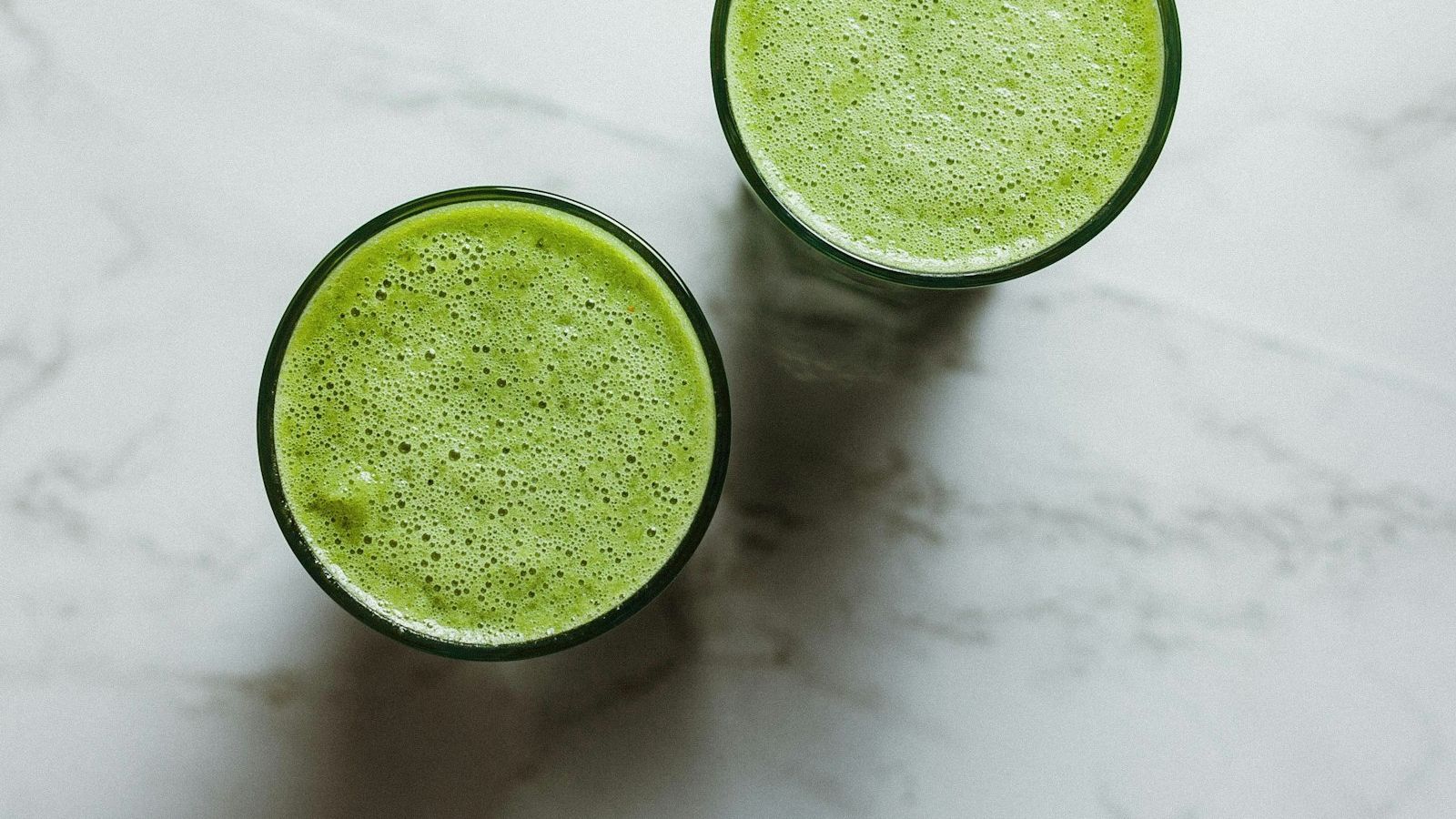
"Your body has been detoxifying itself for millions of years. What it needs from you is not a juice cleanse -- it needs consistent, nourishing food that supports the organs doing the real work." -- Dt. Trishala Goswami, MSc Clinical Nutritionist
Last month, a 28-year-old patient came to me after completing a seven-day juice cleanse she had found on Instagram. She had lost 3 kilograms, which initially thrilled her. But she was also experiencing hair fall, fatigue, irritability, and -- within two weeks of resuming normal eating -- had regained all 3 kilograms plus an extra half kilogram. She was confused, frustrated, and ready to try the next detox trend.
Her experience is not unusual. In my practice, I encounter the aftermath of detox diets regularly -- patients who feel worse, not better, after subjecting their bodies to extreme dietary restrictions in the name of "cleansing." The detox diet industry is estimated to be worth billions globally, fuelled by compelling marketing, celebrity endorsements, and the deeply appealing idea that you can undo weeks of poor eating with a few days of green juice.
But what does the science actually say? As a clinical nutritionist trained in evidence-based practice, I owe you an honest answer rather than a comforting one. This article examines the claims behind detox diets, explains how your body actually handles toxins, evaluates popular detox trends including the ABC juice that has swept Indian social media, and identifies legitimate strategies to support your body's natural detoxification systems.
Table of Contents
- How Your Body Actually Detoxifies Itself
- Juice Cleanses: A Critical Examination
- The ABC Juice Trend: Separating Hype from Reality
- Other Popular Detox Claims Debunked
- Legitimate Ways to Support Your Body's Detoxification
- Indian Foods That Genuinely Support Liver Health
- Key Takeaways
What Detox Diets Claim and Why People Believe Them {#claims-and-beliefs}
Detox diets come in many forms -- juice cleanses, water fasts, herbal teas, specific food elimination programmes, supplement regimens -- but they share a common premise: that your body accumulates harmful toxins from food, the environment, and metabolic processes, and that special dietary interventions are needed to remove these toxins.
The marketing language is consistent across brands and programmes. You will see phrases like "flush out toxins," "cleanse your system," "reset your metabolism," "give your digestive system a break," and "remove years of accumulated waste." These phrases are emotionally powerful, even though most of them are scientifically meaningless.
Why do people believe these claims? Several psychological factors are at play.
The appeal of a fresh start. After a period of overeating, drinking, or poor dietary choices, the idea of a clean slate is deeply attractive. A detox diet feels like pressing a reset button on your health, which is a psychologically satisfying narrative even when the physiology does not support it.
Quick visible results. Most detox diets produce rapid weight loss -- typically 2 to 4 kilograms in a week. This weight loss is almost entirely water and glycogen, not fat, but the number on the scale is convincing. When you resume normal eating, the water and glycogen return, but by then you have already told three friends how effective the detox was.
Subjective feelings of improvement. Many people report feeling "lighter," "more energetic," or "clearer" during a detox. Some of this is genuine -- eliminating processed foods, alcohol, and excess sugar for a few days will make most people feel better. But this improvement comes from removing harmful inputs, not from any magical detoxification process inherent to the detox programme itself.
Authority and social proof. When a well-known actor or influencer with a visibly fit body endorses a detox programme, it carries disproportionate persuasive power, regardless of whether their fitness has anything to do with the detox.
How Your Body Actually Detoxifies Itself {#natural-detox}
Here is the fundamental truth that undermines the entire detox diet industry: your body already has a sophisticated, highly efficient detoxification system. It has been running continuously since before you were born, and it does not need a juice cleanse to function.
The liver is the primary detoxification organ. It processes virtually everything you ingest, inhale, or absorb through your skin. Through a complex two-phase enzymatic process, the liver converts fat-soluble toxins into water-soluble compounds that can be excreted through bile (into the digestive tract) or urine (via the kidneys). The liver processes alcohol, medications, environmental chemicals, metabolic waste products, and excess hormones. It handles this workload 24 hours a day, 365 days a year.
The kidneys filter approximately 180 litres of blood every day, removing waste products and excess substances through urine. They regulate electrolyte balance, blood pressure, and acid-base balance. Healthy kidneys are remarkably efficient at eliminating what the body does not need.
The gastrointestinal tract serves as both an absorptive surface and a barrier. A healthy gut lining selectively allows nutrients in while keeping harmful substances out. The gut microbiome -- the trillions of bacteria living in your intestines -- plays a role in metabolising certain compounds and supporting immune function.
The lungs expel volatile waste products, most notably carbon dioxide, with every breath. They also help eliminate certain other gaseous metabolic byproducts.
The skin, through sweating, eliminates small amounts of certain waste products, though its role in detoxification is far smaller than popular claims suggest.
A comprehensive review published in the Journal of Human Nutrition and Dietetics examined the available clinical evidence for detox diets and concluded that there was no rigorous clinical evidence to support the claim that detox diets remove toxins from the body or provide any health benefits beyond what would be expected from general dietary improvement (Klein and Kiat, 2015). The review noted that the term "toxin" is almost never defined by detox diet proponents, making the claims essentially unfalsifiable.
Juice Cleanses: A Critical Examination {#juice-cleanses}
Juice cleanses are the most popular form of detox diet, ranging from one-day "resets" to extended programmes lasting a week or more. The premise is that consuming only fresh fruit and vegetable juices gives your digestive system a "rest" while flooding your body with vitamins and antioxidants.
Let us examine these claims critically.
"Resting" the digestive system. Your digestive system does not need rest. It is designed for continuous operation. In fact, prolonged absence of solid food can be counterproductive. The gut lining relies on regular food intake to maintain its integrity. Prolonged fasting can lead to intestinal atrophy, reduced enzyme production, and impaired gut barrier function.
Nutrient density claims. While fresh juices do contain vitamins and antioxidants, the juicing process removes fibre -- the most important component for gut health, blood sugar regulation, and satiety. A glass of juice contains the sugar of multiple fruits without the fibre that moderates its absorption. Six oranges juiced into a glass deliver approximately 50 grams of sugar in a rapidly absorbable form. Eating two whole oranges provides the same vitamins but only 17 grams of sugar, along with 6 grams of fibre that slows absorption.
Caloric restriction effects. Most juice cleanses provide 800-1200 calories per day, creating a significant caloric deficit. This causes the body to deplete glycogen stores (which bind water), resulting in rapid weight loss that is almost entirely water. Prolonged severe caloric restriction also triggers the loss of muscle mass, which reduces metabolic rate -- the exact opposite of what most people undertaking a detox are hoping to achieve.
Potential harms. Juice cleanses can cause blood sugar instability (particularly dangerous for diabetics), electrolyte imbalances, inadequate protein intake leading to muscle loss, and excessive oxalate intake from certain juices (spinach, beet) which can stress the kidneys and contribute to kidney stone formation. A case series published in The American Journal of Medicine documented cases of oxalate nephropathy -- acute kidney injury -- caused by juice cleanses high in oxalate-containing vegetables (Getting et al., 2013).
The ABC Juice Trend: Separating Hype from Reality {#abc-juice}
The ABC juice -- Apple, Beetroot, Carrot -- has become one of the most popular health trends in India, promoted widely on social media with claims ranging from "detoxifying the liver" to "curing cancer." Let me address this with the nuance it deserves.
Are apples, beetroot, and carrots healthy foods? Absolutely. Apples provide fibre and polyphenols. Beetroot contains nitrates that support cardiovascular health. Carrots are rich in beta-carotene and antioxidants. Individually and collectively, these are nutritious foods.
Does combining them into a juice and calling it a "detox" confer special powers? No. There is no credible evidence that this specific combination has synergistic detoxification properties beyond the general nutritional benefits of the individual ingredients. The claims of liver detoxification, cancer prevention, and dramatic weight loss attributed to ABC juice are not supported by clinical trials.
Moreover, by juicing these foods rather than eating them whole, you are removing most of the fibre while concentrating the sugars. A typical ABC juice contains approximately 25-30 grams of sugar, primarily from the apple and beetroot. For a person managing blood sugar or trying to lose weight, this is a significant sugar load delivered in liquid form.
My recommendation: If you enjoy the taste of these foods, eat them whole or blended (with the fibre intact) as part of a balanced diet. Do not juice them and expect therapeutic detoxification. And certainly do not use ABC juice as a substitute for medical treatment for any condition.
Other Popular Detox Claims Debunked {#other-claims}
Activated charcoal drinks. Activated charcoal does bind certain substances in the gastrointestinal tract -- it is used in emergency rooms to treat acute poisoning. However, it also binds nutrients and medications, potentially causing nutritional deficiencies and rendering medications (including oral contraceptives) ineffective. There is no evidence that it "detoxifies" the body when consumed in small amounts in trendy black lattes.
Lemon water detox. Warm lemon water is a perfectly fine morning beverage. It is hydrating, the vitamin C supports immune function, and if it helps you drink more water, that is beneficial. But it does not "alkalise your body" (your blood pH is tightly regulated regardless of what you drink), flush toxins, or melt fat. These claims have no scientific basis.
Herbal detox teas. Many detox teas contain senna, a stimulant laxative. The "cleansing" effect people experience is simply laxative-induced diarrhoea, which can cause dehydration, electrolyte imbalances, and dependence. Some also contain compounds that may interact with medications or stress the liver -- ironically harming the organ they claim to help.
Intermittent fasting as "detox." Intermittent fasting has legitimate research supporting metabolic benefits, including improved insulin sensitivity and potential autophagy (cellular cleaning). However, these benefits come from the fasting pattern itself, not from any "detoxification" process. And intermittent fasting is not appropriate for everyone -- pregnant women, people with eating disorder histories, and those on certain medications should avoid it without medical supervision.
Legitimate Ways to Support Your Body's Detoxification {#legitimate-support}
Here is where I pivot from what does not work to what genuinely does. While you cannot "detox" your body through special diets, you can absolutely support the organs that handle detoxification through consistent, evidence-based dietary and lifestyle practices.
Stay well hydrated. Your kidneys need adequate water to filter blood efficiently and excrete waste products through urine. Aim for 2-3 litres of water daily. This is not glamorous, but it is the single most effective thing you can do to support your body's waste elimination.
Eat adequate protein. The liver's Phase II detoxification pathways require amino acids -- the building blocks of protein -- to conjugate and neutralise toxins for excretion. Inadequate protein intake literally impairs your liver's ability to do its job. This is another reason why protein-deficient diets (including most juice cleanses) are counterproductive for "detoxification."
Consume cruciferous vegetables regularly. Broccoli, cauliflower, cabbage, and Brussels sprouts contain sulforaphane and indole-3-carbinol, compounds that have been shown in research to upregulate Phase II liver detoxification enzymes (Shapiro et al., 2006). In the Indian kitchen, gobhi (cauliflower) and patta gobhi (cabbage) are affordable, accessible versions of these beneficial vegetables.
Maintain fibre intake. Fibre binds bile acids and toxins in the gut, facilitating their excretion through stool. Without adequate fibre, these substances can be reabsorbed through the intestinal wall, increasing the load on the liver. Aim for 25-30 grams of fibre daily from whole grains, legumes, vegetables, and fruits.
Limit alcohol. If you drink alcohol, the most impactful thing you can do for your liver health is moderate or eliminate your consumption. No amount of turmeric lattes or ABC juice will counteract the damage of excessive alcohol intake. Your liver prioritises alcohol metabolism above all other functions, and chronic alcohol exposure leads to fatty liver disease, inflammation, and eventually cirrhosis.
Sleep adequately. During sleep, the brain activates its glymphatic system -- a waste clearance mechanism that removes metabolic debris, including amyloid-beta proteins associated with neurodegeneration. Poor sleep impairs this process. Seven to eight hours of quality sleep supports not just brain health but systemic recovery and metabolic function.
Indian Foods That Genuinely Support Liver Health {#indian-liver-foods}
Rather than exotic superfoods or expensive supplements, the Indian kitchen contains numerous foods that genuinely support liver function through well-understood mechanisms.
Turmeric (haldi). Curcumin, the active compound in turmeric, has demonstrated hepatoprotective properties in multiple studies. It reduces oxidative stress and inflammation in liver tissue. The traditional Indian practice of adding turmeric to everyday cooking -- in dal, vegetables, and curries -- provides a consistent, low-dose exposure that supports liver health. For better absorption, combine turmeric with black pepper (piperine enhances curcumin bioavailability by up to 2000 percent) and a source of fat.
Amla (Indian gooseberry). One of the richest natural sources of vitamin C, amla has demonstrated antioxidant and hepatoprotective effects. It can be consumed fresh, as murabba (in controlled amounts due to sugar), as juice mixed with water, or as dried amla powder added to buttermilk or salads.
Bitter gourd (karela). Despite its unpopularity, karela contains compounds that support liver enzyme function and have been shown to reduce oxidative damage in liver cells. Even a small weekly serving -- in a stir-fry, as chips, or blended into a small shot with lemon -- provides these benefits.
Garlic. Rich in allicin and selenium, garlic activates liver enzymes involved in detoxification. The generous use of garlic in Indian cooking -- in tadkas, chutneys, and gravies -- is a dietetically sound tradition.
Green leafy vegetables. Palak (spinach), methi (fenugreek), bathua, and sarson (mustard greens) provide chlorophyll, folate, and antioxidants that support liver function. The Indian tradition of including a green vegetable at most meals is nutritionally excellent.
Whole moong dal. Easily digestible, high in protein, and gentle on the liver, moong dal has been a traditional food for recovery and healing in Indian households for centuries. Its use during illness and convalescence reflects an intuitive understanding of its liver-supportive properties.
Jeera (cumin) water. While not a detox miracle, cumin water does stimulate digestive enzyme secretion and support digestive function. Drinking it regularly as a substitute for sugary beverages is a simple, beneficial practice.
The common thread across all these foods is that they work best when consumed regularly as part of an overall balanced diet, not as intensive short-term interventions. Consistency beats intensity every time.
Key Takeaways {#key-takeaways}
- Detox diets lack credible clinical evidence for their claims of toxin removal. The term "toxin" is rarely defined, making these claims scientifically unfalsifiable.
- Your body has a sophisticated built-in detoxification system centred on the liver and kidneys, operating continuously without any need for external intervention.
- Juice cleanses remove fibre, concentrate sugars, provide inadequate protein, and produce weight loss that is almost entirely water -- not fat or toxins.
- The ABC juice trend offers the nutritional benefits of its individual ingredients but has no special detoxification properties, and juicing removes the beneficial fibre.
- Legitimate support for your body's detoxification involves adequate hydration, sufficient protein, cruciferous vegetables, fibre, limited alcohol, and quality sleep.
- Indian kitchen staples -- turmeric, amla, garlic, bitter gourd, green leafy vegetables, and moong dal -- genuinely support liver function when consumed regularly as part of a balanced diet.
- If you want to feel "cleaner" and healthier, skip the expensive detox programme and instead focus on removing processed foods, excess sugar, and alcohol from your regular diet. The results will be more meaningful and more lasting.
Confused about what actually works for your health goals? Skip the trends and get evidence-based nutrition guidance. WhatsApp us to book a consultation with Dt. Trishala Goswami and get a personalised plan built on science, not social media claims.
Medical Disclaimer: This article is for informational and educational purposes only and is not a substitute for professional medical advice, diagnosis, or treatment. If you have liver disease, kidney disease, or any medical condition, always consult your physician before making dietary changes. The information provided here is based on general clinical nutrition principles and current scientific evidence. Individual health needs vary significantly. Dt. Trishala Goswami is an MSc Clinical Nutritionist, Certified Diabetes Educator, and Certified Nutrigenomics Specialist.
# Want a sustainable plan built around Indian food? Explore our weight-loss program with Dt. Trishala Goswami, or read online vs in-person dietitian.
References
- Klein, A.V., and Kiat, H. (2015). "Detox diets for toxin elimination and weight management: A critical review of the evidence." Journal of Human Nutrition and Dietetics, 28(6), 675-686.
- Getting, J.E., et al. (2013). "Oxalate nephropathy due to 'juicing': Case report and review." The American Journal of Medicine, 126(9), 768-772.
- Shapiro, T.A., et al. (2006). "Safety, tolerance, and metabolism of broccoli sprout glucosinolates and isothiocyanates: A clinical phase I study." Nutrition and Cancer, 55(1), 53-62.
MSc Clinical Nutritionist · Diabetes Educator · Certified Nutrigenomics Specialist
Dt. Trishala Goswami is a clinical nutritionist and certified diabetes educator who designs personalized, science-backed nutrition programs for clients across India and abroad. She specializes in diabetes, PCOS, gut health, and nutrigenomics.
More about Dt. TrishalaWant a plan built around you?
Articles can’t replace personalised care. Book a 30-min consultation with Dt. Trishala.
Living outside India? See how online consultations work for NRIs & global clients →
Related reads
The Best Indian Snacks for Weight Loss, According to a Clinical Nutritionist
Snacking isn't the enemy of weight loss - the wrong snacks are. A clinical nutritionist ranks the best Indian snacks that keep you full, protect blood sugar, and stop the 4 PM biscuit habit.
Emotional Eating: A Clinical Nutritionist's Approach
Emotional eating is not a willpower failure -- it is a coping mechanism. Learn to identify your triggers, distinguish real hunger from emotional cravings, and find healthier ways to comfort yourself.
Metabolism After 40: Why Your Diet Needs to Change
Your body at 40 is not the same body you had at 25. Understanding how metabolism, hormones, and muscle mass change with age is the key to adapting your diet for lasting health.