SIBO and Indian Diets: What to Eat and What to Avoid

"SIBO is not a life sentence of dietary restriction. It is a temporary condition that requires a structured elimination phase, targeted treatment, and a systematic reintroduction - not permanent fear of food." - Dt. Trishala Goswami, MSc Clinical Nutritionist
"I cannot eat dal. I cannot eat onion or garlic. Roti makes me bloat. Rice makes me bloat. What exactly am I supposed to eat?" This is the despair I hear from clients who have been diagnosed with SIBO and then handed a generic low-FODMAP food list designed for Western diets. They look at the "avoid" column and see virtually every food in their kitchen.
Small Intestinal Bacterial Overgrowth is genuinely challenging to manage with an Indian diet. The staple foods of Indian cuisine - lentils, wheat, onion, garlic, cauliflower, chickpeas - are among the highest-FODMAP foods in existence. A standard SIBO dietary protocol seems to eliminate everything that makes Indian food, well, Indian.
But in my clinical practice as a nutritionist specializing in gut health, I have guided hundreds of clients through SIBO recovery while maintaining a recognizably Indian diet. It requires knowledge, creativity, and a willingness to temporarily adjust - but it absolutely does not require abandoning your food culture. This guide provides the specific Indian food framework I use with my SIBO clients.
Table of Contents
What Is SIBO and Why Does It Matter?
Your gastrointestinal tract is designed with distinct microbial zones. The large intestine (colon) houses the vast majority of your gut bacteria - trillions of organisms that ferment fibre, produce vitamins, and support immune function. The small intestine, by contrast, should have relatively few bacteria. It is designed for nutrient absorption, not bacterial fermentation.
SIBO occurs when bacteria from the large intestine migrate upward into the small intestine and proliferate there. These misplaced bacteria encounter carbohydrates earlier than they should in the digestive process and begin fermenting them - producing hydrogen, methane, or hydrogen sulfide gas. This fermentation causes bloating, distension, abdominal pain, altered bowel habits (diarrhoea, constipation, or alternating between both), and in chronic cases, nutrient malabsorption.
A landmark study by Pimentel et al. (2004) in the American Journal of Gastroenterology found that up to 78% of patients diagnosed with Irritable Bowel Syndrome (IBS) tested positive for SIBO. This suggests that many people carrying an IBS diagnosis actually have an identifiable, treatable bacterial overgrowth that has gone unrecognized.
SIBO is not simply "poor digestion." The bacterial overgrowth damages the intestinal lining, impairs enzyme production, competes with your body for nutrients (particularly B12 and iron), and disrupts the fat absorption process (leading to fatty, foul-smelling stools and deficiencies in fat-soluble vitamins A, D, E, and K). Left untreated, SIBO can create a cascade of nutritional deficiencies that affect energy, immunity, skin health, and hormonal balance.
How SIBO Is Diagnosed: The Breath Test
The standard diagnostic tool for SIBO is the lactulose or glucose breath test. You consume a specific sugar solution, and your breath is sampled at regular intervals over 2-3 hours. If bacteria are present in the small intestine, they ferment the sugar and produce gases that are absorbed into the bloodstream and exhaled through the lungs. The breath test measures hydrogen and methane levels.
Hydrogen-dominant SIBO typically presents with diarrhoea, urgent bowel movements, and gas that comes on quickly after eating.
Methane-dominant SIBO (now technically called Intestinal Methanogen Overgrowth or IMO) typically presents with constipation, hard stools, and a feeling of incomplete evacuation. Methane slows gut motility - the opposite of hydrogen's effect.
Hydrogen sulfide SIBO is the newest variant to be identified and requires a specialized TrioSmart breath test. It is associated with diarrhoea, particularly foul-smelling gas and stools, and sensitivity to sulfur-rich foods.
In India, breath testing is available in most metropolitan cities through gastroenterology departments and specialty labs. I always recommend testing before starting a SIBO protocol - treating empirically based on symptoms alone can lead to unnecessary dietary restriction. The breath test also identifies which type of SIBO you have, which determines the antimicrobial strategy.
Why Indian Foods Are Particularly Challenging With SIBO
The low-FODMAP diet is the primary dietary intervention during SIBO treatment. FODMAPs are fermentable carbohydrates - the exact substrates that the overgrown bacteria feed on. Reducing FODMAPs starves the bacteria while antimicrobial treatment kills them.
The problem for Indian diets is that many Indian staple foods are high in FODMAPs:
Oligosaccharides (fructans and galacto-oligosaccharides): Found in wheat (roti, paratha, naan), onion, garlic, chickpeas (chole), kidney beans (rajma), lentils (most varieties of dal), and cauliflower (gobhi). These are arguably the most fundamental ingredients in Indian cooking.
Lactose: Found in milk, paneer made from fresh milk, and mithai. While fermented dairy (dahi) is lower in lactose, fresh dairy products are common SIBO triggers.
Polyols: Found in mushrooms, cauliflower, and certain fruits used in Indian cooking (apples, pears, stone fruits).
A study by Barrett et al. (2010) published in Alimentary Pharmacology and Therapeutics demonstrated that a low-FODMAP diet reduced symptoms in 76% of IBS patients, with the greatest benefit seen in those with confirmed SIBO. The evidence is strong - but the application to Indian diets requires significant cultural adaptation.
Indian Foods That Are Safe During SIBO Treatment
The good news is that many Indian foods are perfectly safe during SIBO treatment. The low-FODMAP phase is not about eliminating Indian food - it is about choosing the right Indian foods.
Safe grains and starches: Basmati rice (the safest grain for SIBO - well-tolerated by nearly all my clients), rice-based preparations (poha, rice dosa, rice idli), oats (in small quantities of up to 50 grams), quinoa, potatoes, and corn. Millets like bajra and jowar are generally tolerated in moderate portions.
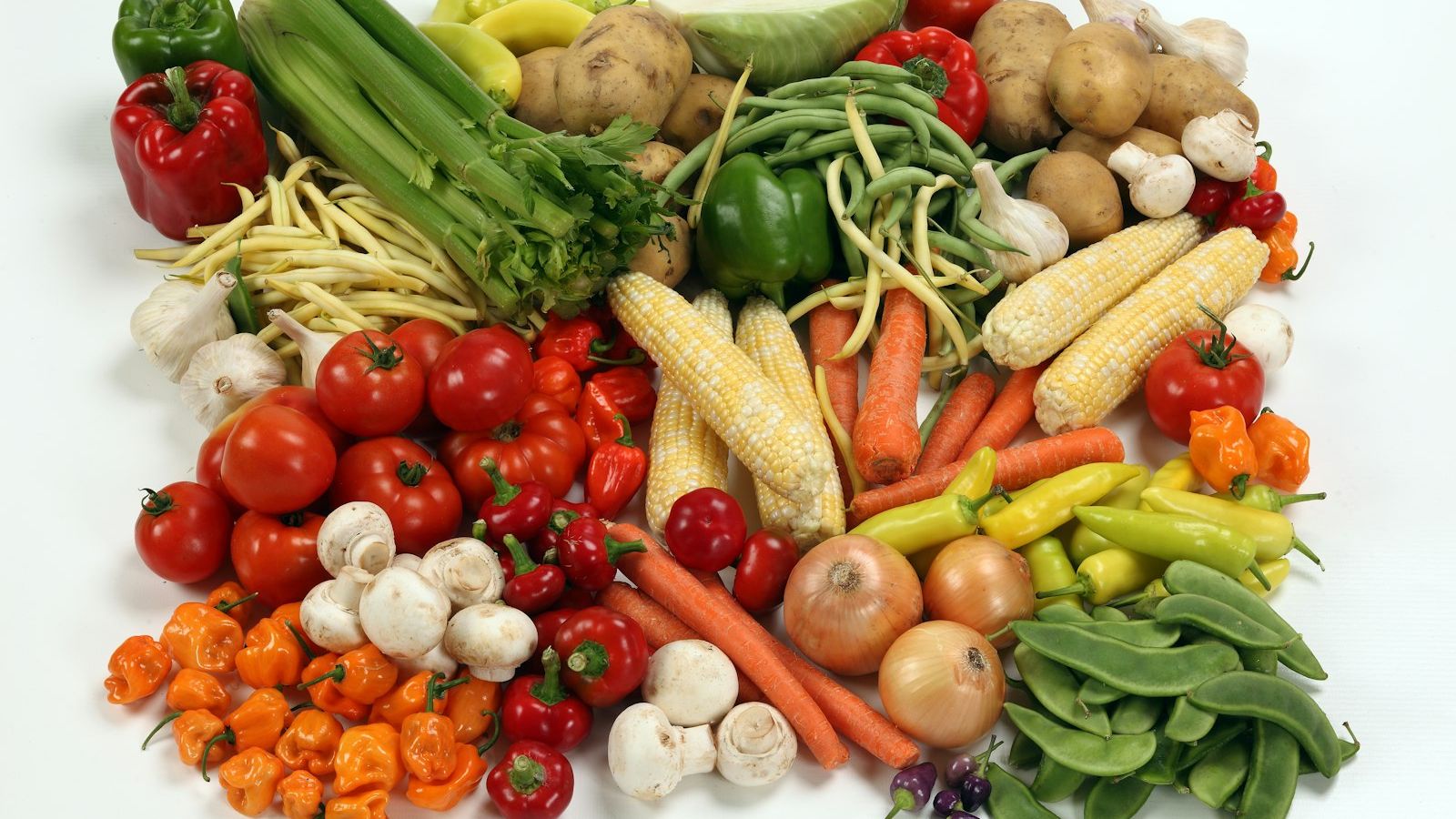
Safe vegetables: Bottle gourd (lauki), ridge gourd (tori), pointed gourd (parwal), snake gourd (chichinda), spinach (palak), fenugreek leaves (methi), tomatoes, carrots, bell peppers (shimla mirch), cucumber, zucchini, brinjal/eggplant (baingan), and pumpkin (kaddu). The gourd family vegetables are particularly well-tolerated and form the backbone of SIBO-safe Indian sabzis.
Safe protein sources: Eggs, chicken, fish, paneer (in moderate portions - the lactose content is low due to the whey draining process), tofu (made from soy, which is low-FODMAP in moderate servings), and tempeh.
Safe dairy alternatives: Dahi or curd (the fermentation process breaks down much of the lactose), buttermilk (chaas), and coconut milk. Lactose-free milk is available in most Indian cities if you need milk for chai.
Safe fats: Ghee (excellent - clarified butter has negligible lactose), coconut oil, mustard oil, olive oil, and sesame oil.
Safe flavouring: Ginger, turmeric, cumin (jeera), coriander (dhaniya), curry leaves, mustard seeds, asafoetida (hing - ironically, hing is traditionally used to reduce gas in Indian cooking and is well-tolerated by most SIBO patients in small amounts), black pepper, green chillies, and lemon.
Problematic Indian Foods to Avoid During Treatment
These foods are temporarily restricted during the SIBO treatment phase - typically 4-8 weeks. They are not permanently eliminated.
Onion and garlic: The two most ubiquitous flavouring ingredients in Indian cooking are unfortunately among the highest-FODMAP foods. The fructans in onion and garlic are potent bacterial food sources. During the treatment phase, replace them with the green tops of spring onions (the white bulb is high-FODMAP, but the green part is safe), hing, ginger, and infused oils (cook garlic in oil, then remove the garlic pieces - the fructans do not dissolve in oil, so the flavour transfers without the FODMAPs).
Most lentils and legumes: Rajma, chole, urad dal, chana dal, and whole moong are all high in galacto-oligosaccharides. However, there are exceptions: well-rinsed, well-cooked split and skinned moong dal (dhuli moong) is tolerated by many SIBO patients in small quantities (one-third to one-half katori). I reintroduce other lentils systematically during the reintroduction phase.
Wheat: All wheat products (roti, paratha, naan, bread, biscuits, pasta) are high in fructans. Replace with rice-based alternatives, besan (chickpea flour is low-FODMAP in small quantities despite whole chickpeas being problematic), and rice flour rotis during the treatment phase.
Cauliflower and cabbage: These popular sabzi vegetables are high in polyols and fructans. Replace with the gourd family vegetables listed above.
Milk and fresh dairy: Replace with dahi, chaas, and coconut milk. Chai can be made with lactose-free milk or simply black (kali chai).
High-FODMAP fruits: Mango, apple, watermelon, and stone fruits. Safe alternatives include papaya (excellent for SIBO - it contains the digestive enzyme papain), banana (in portions of one medium fruit), oranges, kiwi, and grapes.
The Low-FODMAP Phase for SIBO: An Indian Approach
Here is a sample day on my Indian SIBO protocol:
Morning (empty stomach): Warm water with lemon and a pinch of ginger powder. Wait 20-30 minutes before eating.
Breakfast: Rice dosa made with fermented rice-urad batter (the fermentation and cooking reduce FODMAP content) with coconut chutney (made without onion - use roasted chana dal, fresh coconut, ginger, green chilli, and curry leaves). Alternatively: poha with peanuts, curry leaves, and turmeric (no onion), or two eggs bhurji made with tomato, green chilli, and ginger.
Mid-morning: One small banana or a bowl of papaya with a few pumpkin seeds.
Lunch: Basmati rice (one katori), lauki or tori sabzi made with hing and jeera tadka (no onion/garlic), a small katori of dhuli moong dal, and kachumber salad of cucumber, tomato, and carrot with lemon and salt.
Evening snack: Chaas with roasted jeera and rock salt, or a handful of roasted makhana (fox nuts - naturally low-FODMAP).
Dinner: Rice flour roti or another serving of basmati rice, palak or methi sabzi, and a katori of fresh dahi. Alternatively: egg curry made with tomato-ginger base (no onion/garlic), served with rice.
This is recognizably Indian. It is not exciting or indulgent - the treatment phase rarely is - but it is culturally familiar, nutritionally adequate, and achievable without special imported ingredients.
One caveat on that sample day: the rice, poha and banana in it are fine for SIBO but carry a real glycaemic load. If you are also managing diabetes, the portions and pairings need adjusting - managing a low-FODMAP diet with diabetes covers exactly where the two protocols contradict each other and which rule to follow.
Research by Halmos et al. (2014) published in Gastroenterology demonstrated that a low-FODMAP diet reduces intestinal gas production by approximately 22% and significantly improves abdominal symptoms in SIBO patients. The diet works not by curing SIBO directly but by reducing symptoms while antimicrobial treatment addresses the bacterial overgrowth.
The Reintroduction Protocol
The low-FODMAP phase is temporary - typically 4-8 weeks, aligned with your antimicrobial treatment course. After treatment, systematic reintroduction determines which foods you can tolerate and in what quantities.
I use a structured 8-week reintroduction protocol with my SIBO clients:
Weeks 1-2: Wheat reintroduction. Start with half a small roti on day one. Wait 48 hours and monitor symptoms. If tolerated, try one full roti. If that works, wheat can be consumed in moderate quantities. If symptoms recur, wheat remains restricted for another 4 weeks.
Weeks 3-4: Lentil reintroduction. Begin with two tablespoons of well-cooked masoor dal. Increase gradually over successive attempts. Masoor and moong are typically the first lentils tolerated; rajma and chole are reintroduced last.
Weeks 5-6: Onion and garlic reintroduction. Start with a small amount of cooked onion (cooking reduces fructan content). Raw onion is reintroduced last and is often the least tolerated form even after successful treatment.
Weeks 7-8: Remaining high-FODMAP foods. Cauliflower, cabbage, mushrooms, milk, and fruits like mango and apple.
The critical principle is: one food group at a time, with 48 hours between challenge tests. FODMAP tolerance is dose-dependent - you might tolerate a small amount of onion but react to a large amount. The reintroduction phase identifies your personal threshold for each food.
I emphasize to my clients that the goal is maximum dietary variety with minimum symptoms. Most people with successfully treated SIBO can eventually tolerate most foods in moderate quantities. Complete, permanent FODMAP restriction is rarely necessary and nutritionally undesirable.
Elemental Diet: When Food-Based Approaches Are Not Enough
For severe or recurrent SIBO that has not responded to antimicrobials and low-FODMAP management, the elemental diet is a more intensive option. An elemental diet provides nutrition in pre-digested form - amino acids, simple sugars, and fats that are absorbed in the upper portion of the small intestine before reaching the bacterial overgrowth zone. This essentially starves the bacteria while maintaining the patient's nutritional status.
A study by Pimentel et al. (2004) in Digestive Diseases and Sciences found that a 2-week elemental diet achieved an 80% normalization rate on subsequent breath testing - higher than any antibiotic protocol studied. However, the elemental diet is difficult to comply with: it involves consuming only the liquid formula for 14-21 days with no solid food.
In my practice, I reserve the elemental diet for clients who have failed two or more rounds of antimicrobial treatment, or who have such severe symptoms that a faster resolution is clinically necessary. It is not a first-line approach. Most SIBO cases respond well to a combination of targeted antimicrobials (herbal or pharmaceutical) and the low-FODMAP dietary strategy described above.
If the elemental diet is recommended, it should be supervised by a practitioner experienced in SIBO management. DIY elemental diets using online recipes can result in nutrient deficiencies and should be avoided.
Key Takeaways
- SIBO is a bacterial overgrowth in the small intestine, confirmed by breath testing, that affects up to 78% of IBS patients.
- Indian diets are uniquely challenging for SIBO management because staple foods (wheat, lentils, onion, garlic) are high in FODMAPs.
- Many Indian foods are safe during SIBO treatment: rice, gourd vegetables, eggs, dahi, coconut, and spices like ginger, turmeric, and cumin.
- The low-FODMAP phase is temporary (4-8 weeks) - it supports antimicrobial treatment, not a permanent diet.
- Replace onion and garlic with hing, ginger, spring onion greens, and infused oils for flavour during the treatment phase.
- Systematic reintroduction after treatment determines your personal tolerance thresholds - most foods can be returned.
- The elemental diet is reserved for severe or recurrent cases and requires professional supervision.
Struggling with SIBO symptoms and confused about what to eat? As a certified clinical nutritionist with specialization in gut health, I create personalized SIBO management protocols tailored to Indian dietary preferences. Reach out on WhatsApp for a consultation: Chat with Dt. Trishala on WhatsApp
Medical Disclaimer: This article is for educational purposes only and does not constitute medical advice. SIBO is a medical condition that requires proper diagnosis through breath testing and treatment under professional supervision. Do not self-diagnose or self-treat based on this article. Antimicrobial protocols (herbal or pharmaceutical) should only be used under the guidance of a qualified healthcare practitioner. Individual responses to dietary modifications vary significantly. Please consult a gastroenterologist and a qualified clinical nutritionist for personalized SIBO management.
Want to fix your digestion for good? Explore our Gut Health program with Dt. Trishala Goswami.
MSc Clinical Nutritionist · Diabetes Educator · Certified Nutrigenomics Specialist
Dt. Trishala Goswami is a clinical nutritionist and certified diabetes educator who designs personalized, science-backed nutrition programs for clients across India and abroad. She specializes in diabetes, PCOS, gut health, and nutrigenomics.
More about Dt. TrishalaWant a personalised Gut Health plan?
Articles can’t replace personalised care. Book a 30-min consultation with Dt. Trishala.
Living outside India? See how online consultations work for NRIs & global clients →
Related reads
The Best Foods for Gut Health: An Indian Dietitian's List
A healthy gut is built from everyday Indian food, not expensive supplements. A clinical nutritionist ranks the best foods for gut health - dahi, fermented batters, dals, and prebiotic vegetables - and how to eat them for real results.
Constipation Solutions: Beyond Fibre and Water
You are eating enough fibre. You are drinking enough water. And you are still constipated. A clinical nutritionist explains the hidden causes - from magnesium deficiency to thyroid dysfunction - and what actually works.
Fermented Indian Foods: Your Gut's Best Friends
Indian cuisine is one of the world's richest traditions of fermented foods - from idli batter to kanji to chaas. A clinical nutritionist explains the probiotic science behind these everyday preparations.