ALL ABOUT HAIR FALL & HOME REMEDIES

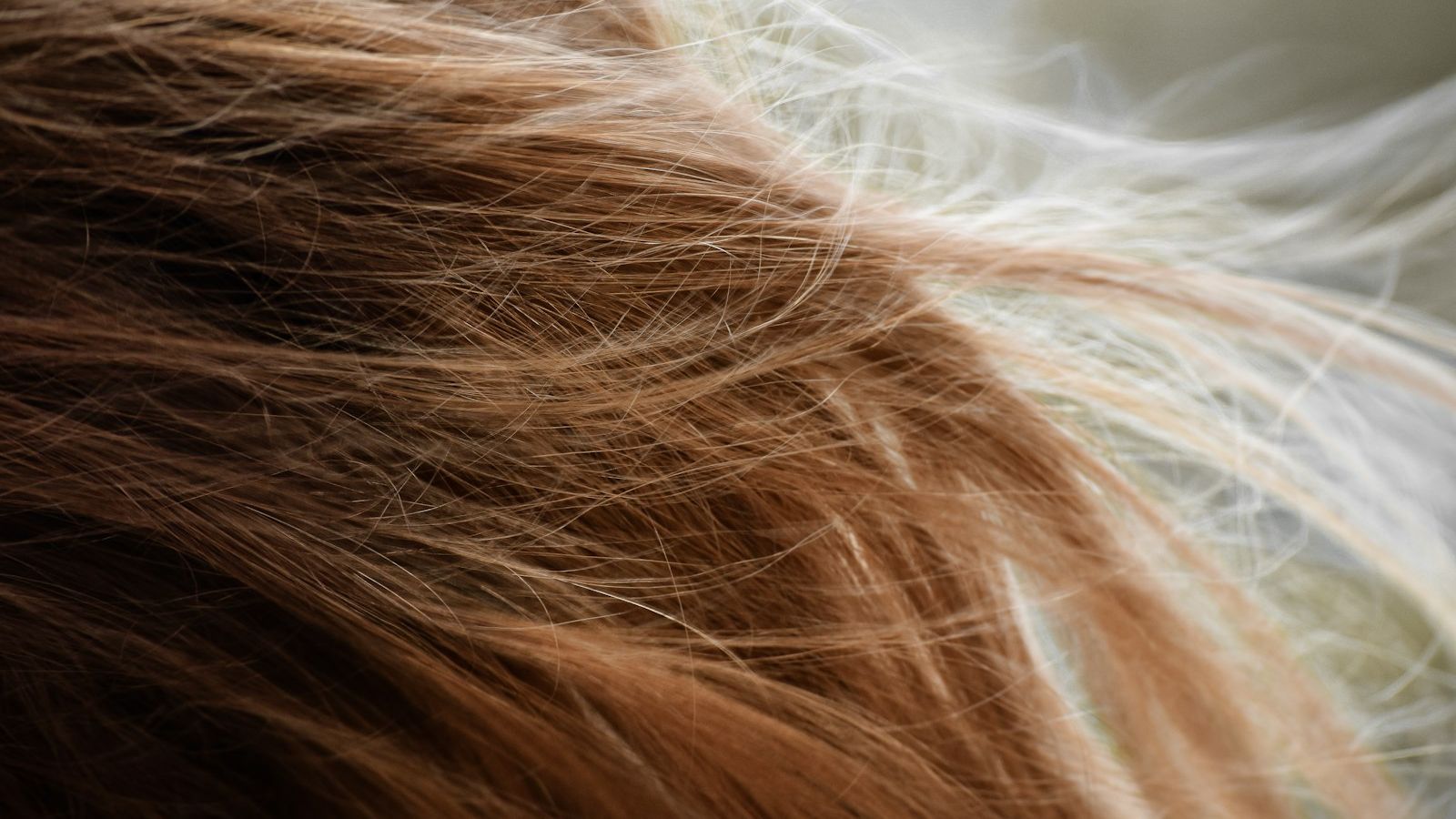
It causes an deal of concern to persons suffering from loss of hair, especially Indian women who regard good hair growth, with thick long hair as a symbol of beauty.
Hair is made in minute pockets within the skin, called follicles An upgrowth at the bottom of the follicle called the papilla, actually produces hair, when a special group of cells turns amino acids into keratin, a kind of protein of which hair is formed. The speed of production of those protein building blocks determines hair growth. The typical rate of growth is about 1.2 cm per month, growing fastest for ladies between 15 to 30 years aged.
There is quite one reason why you’ve got issues together with your hair. The foremost important reason for the loss of hair is insufficient nutrition. Even a partial lack of just about any nutrient may cause hair to fall.
People who lack B-complex vitamins, Iron, Vitamin E, Vitamin A can suffer from hair loss. But the hair grows normally after the liberal intake of those vitamins.
Another important explanation for hair loss is stress like worry, anxiety and sudden shock. Stress results in a severe tension within the skin of the scalp. This adversely affects the availability of essential nutrition required for the healthy growth of the hair.
General debility, caused by severe or long standing illnesses like typhoid, syphilis, chronic cold, influenza and anaemia, also gives rise to the present disorder. It makes the roots of the hair weak, leading to the falling of hair.
Unclean condition of the scalp also can cause loss of hair. It weakens the hair roots by blocking the pores with the dirt collected in the scalp. Heredity is another predisposing factor which can cause hair to fall.
The healthy condition of the hair depends, to a really large extent, on the intake of sufficient amounts of essential nutrients within the daily diet. Hair is formed of protein and adequate
Protein is important for luxuriant hair. Men & Women require 60 to 90 grams, adolescent boys and girls 80 to 100 grams of protein. Some of the rich sources of protein are milk, buttermilk, yogurt, soyabean,Green Peas & other pulses & legumes, eggs, cheese, meat and fish.
Get expert advice on nutrition plans and holistic health strategies tailored to your body.
Science-backed clinical nutrition by Dt. Trishala Goswami. Nourish your body, one meal at a time.
Assure Clinic, Andheri West, Mumbai
← Back to Blog Book Consultation
Read next
Frequently asked questions
What nutritional deficiencies cause hair fall?
Iron deficiency (extremely common in Indian women) is the leading nutritional cause of hair fall. Other key deficiencies include ferritin, vitamin D, zinc, vitamin B12, protein, and biotin. Crash dieting causes hair shedding (telogen effluvium) within 3-4 months due to nutrient deprivation and calorie restriction.
Which Indian foods improve hair growth?
Amla (highest natural vitamin C for iron absorption), methi seeds (iron, protein, folic acid), sesame seeds (zinc, iron, omega-3), eggs (biotin, protein, sulphur), spinach (iron, folate), and lentils (protein, iron, zinc) are among the best hair-supportive foods available in Indian kitchens.
Does oiling hair actually help with hair fall?
Oil massage improves scalp circulation and reduces mechanical breakage from dryness, but it does not address nutritional or hormonal causes of hair fall. Warm oil massage (coconut, sesame, or castor oil) 1-2 times a week is beneficial for scalp health but should be combined with internal nutrition for hair fall.
Can thyroid or PCOS cause hair fall in women?
Yes - both hypothyroidism and PCOS are leading causes of hair fall in Indian women. Hypothyroidism slows the hair growth cycle. PCOS-related androgen excess causes androgenetic alopecia. Hair fall that doesn't respond to nutritional correction warrants thyroid and hormonal blood tests.
How long does it take to see hair regrowth after correcting nutritional deficiencies?
Hair grows approximately 1-1.5 cm per month. After correcting an iron or vitamin D deficiency, reduced shedding typically begins within 2-3 months and visible regrowth is noticeable in 4-6 months. Consistent treatment and addressing the root cause (not just supplements) is key.
References
- Healthy diet - fact sheet (World Health Organization)
- The Nutrition Source (Harvard T.H. Chan School of Public Health)
- Dietary Guidelines for Indians (ICMR - National Institute of Nutrition)
- Food & Health Tips (Academy of Nutrition and Dietetics)
MSc Clinical Nutritionist · Diabetes Educator · Certified Nutrigenomics Specialist
Dt. Trishala Goswami is a clinical nutritionist and certified diabetes educator who designs personalized, science-backed nutrition programs for clients across India and abroad. She specializes in diabetes, PCOS, gut health, and nutrigenomics.
More about Dt. TrishalaWant a plan built around you?
Articles can’t replace personalised care. Book a 30-min consultation with Dt. Trishala.
Living outside India? See how online consultations work for NRIs & global clients →
Related reads
The Best Anti-Inflammatory Indian Foods, According to a Clinical Nutritionist
Chronic low-grade inflammation quietly drives PCOS, insulin resistance, gut issues, and joint pain. A clinical nutritionist ranks the best anti-inflammatory Indian foods - and the everyday way to eat them for real effect.
The Best Foods for Healthy Skin and Hair: An Indian Dietitian's List
Glowing skin and strong hair are built from the inside out. A clinical nutritionist ranks the best Indian foods for skin and hair - and explains why the protein and iron on your plate matter more than any cream or capsule.
The Best High-Protein Vegetarian Foods in India, Ranked by a Nutritionist
Most Indian vegetarians eat far less protein than they think. A clinical nutritionist ranks the best high-protein vegetarian foods available in India - with grams per serving and a simple plan to reach your daily target.