The Best Anti-Inflammatory Indian Foods, According to a Clinical Nutritionist

"Inflammation is the common thread I see under so many different complaints - the PCOS that will not settle, the insulin that stays high, the joints that ache, the gut that is always upset. The good news is that the Indian kitchen is one of the most anti-inflammatory pantries in the world. When a client shifts to the foods on this list, the markers and the symptoms usually start easing within four to six weeks." - Dt. Trishala Goswami, MSc Clinical Nutritionist, Certified Nutrigenomics Specialist
A client - let us call her Reena, 41 - came in with stubborn weight, achy joints, and PCOS that would not budge despite a "clean" diet that was actually high in refined flour and fried snacks. We did not prescribe anything exotic. We made haldi-with-pepper a daily habit, added ground flax and leafy greens, brought in ginger and amla, and cut the maida and deep-fried food. Within six weeks her joint stiffness had eased, her energy lifted, and her cycle began to regulate.
Most chronic complaints have inflammation underneath them, and the Indian kitchen is built to calm it.
Why Anti-Inflammatory Eating Matters So Much in India
Chronic low-grade inflammation is not the acute redness of an injury. It is a quiet, persistent state that sits beneath many of the conditions we treat: it worsens insulin resistance and the insulin that drives PCOS, irritates the gut, and contributes to joint pain and high uric acid. A food earns a place on this list when it does one or more of these: supplies polyphenols or curcuminoids that dampen inflammatory pathways, provides omega-3 fats that counter pro-inflammatory ones, or feeds a healthy gut, where much of the body's inflammation is regulated.
The Best Anti-Inflammatory Indian Foods
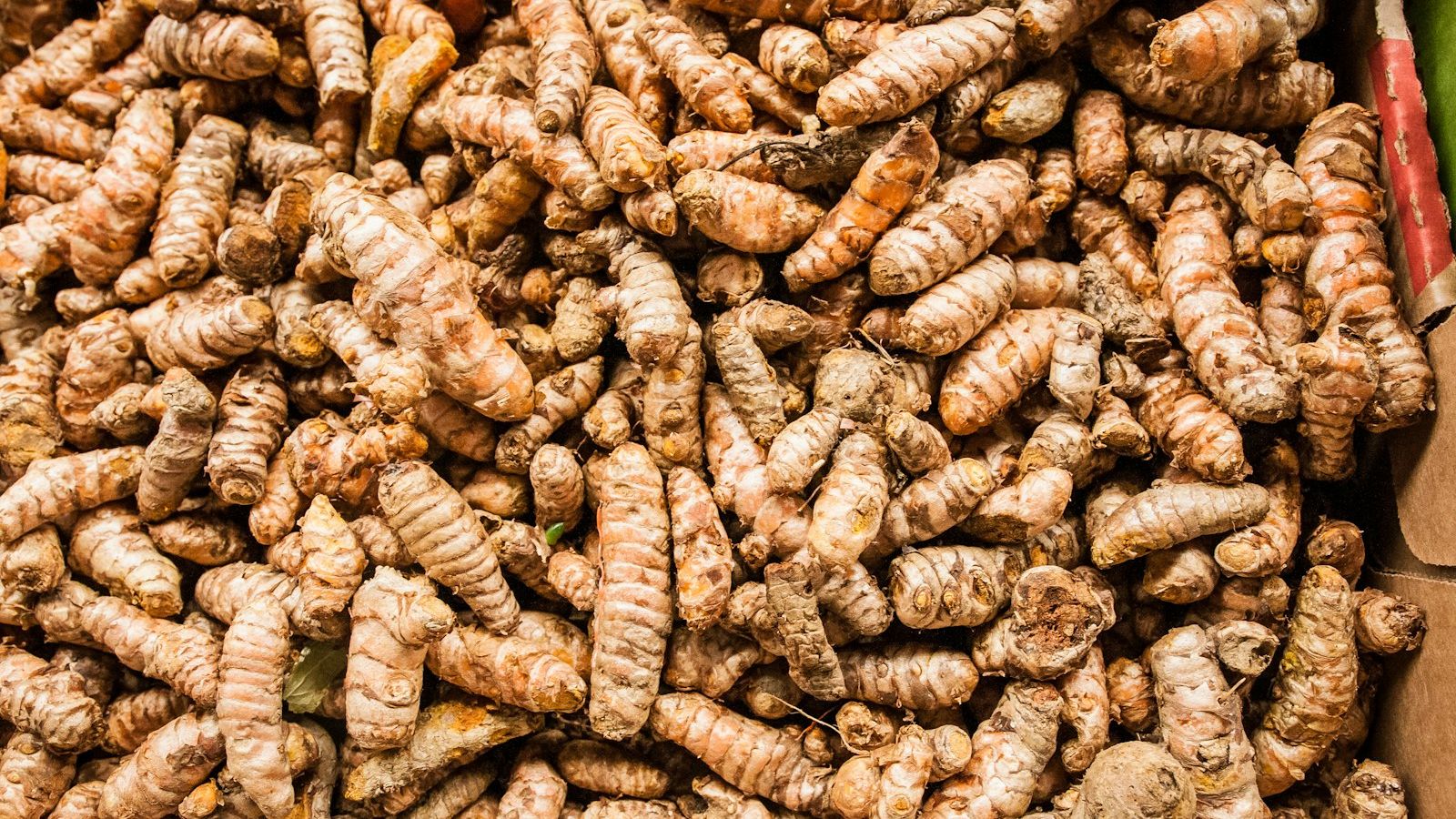
1. Turmeric (Haldi) with Black Pepper
Why it works: Curcumin, the active compound in turmeric, is one of the best-studied natural anti-inflammatories. The catch is absorption - on its own, curcumin is poorly absorbed. Pairing turmeric with black pepper (piperine) and a little fat dramatically increases how much your body can use. This is why haldi in oil-tempered dal works better than a pinch in warm water. For how much you actually need, see turmeric and curcumin - how much do you really need.
2. Ginger (Adrak)
Why it works: Ginger contains gingerols with documented anti-inflammatory and anti-nausea effects, and it supports digestion. Fresh ginger in cooking, or a few slices steeped in hot water, is an easy daily anti-inflammatory habit that also soothes the gut.
3. Garlic (Lehsun)
Why it works: Garlic's sulphur compounds have anti-inflammatory and immune-supportive properties, and it doubles as a prebiotic that feeds beneficial gut bacteria. Used generously in everyday cooking, it is a quiet workhorse on this list.
4. Leafy Greens (Palak, Methi, Sarson, Bathua)
Why they work: Dark leafy greens are dense in antioxidants, magnesium, and folate that counter oxidative stress and inflammation. They also bring the fibre that supports a calm gut. Aim for at least one serving of greens most days, rotating across the season.
5. Ground Flaxseed and Omega-3 Sources
Why they work: Omega-3 fats are directly anti-inflammatory, countering the pro-inflammatory fats that dominate most modern diets. For vegetarians, ground flax, chia, walnuts, and mustard oil are the key sources; for non-vegetarians, fatty fish like rawas and bangda are excellent. A tablespoon of ground flax daily is one of the simplest wins. For more, see omega-3 for vegetarians.
6. Amla and Berries
Why they work: Amla (Indian gooseberry) is one of the richest vitamin C and polyphenol foods available, with strong antioxidant activity. Seasonal berries - jamun, strawberries - bring anthocyanins that help quench inflammation. Fresh amla, amla juice (unsweetened), or berries in season are easy additions.
7. Whole Spices (Cinnamon, Cloves, Cardamom, Black Pepper)
Why they work: The everyday Indian spice box is a concentrated source of anti-inflammatory polyphenols. Cinnamon, cloves, cardamom, and pepper each carry antioxidant compounds - one more reason home-cooked, well-spiced food beats bland or processed alternatives.
8. Dahi and Fermented Foods
Why they work: Because much of the body's inflammation is regulated in the gut, the live cultures in dahi, chaas, and fermented foods like idli and dosa indirectly calm inflammation by supporting a healthy microbiome. See the best foods for gut health for the full gut picture.
9. Green Tea
Why it works: Green tea is rich in catechins (especially EGCG) with well-studied anti-inflammatory and antioxidant effects. Swapping one or two sugary chais for unsweetened green tea is a small daily upgrade.
10. Nuts and Seeds (Walnuts, Almonds, Pumpkin Seeds)
Why they work: Nuts and seeds provide anti-inflammatory fats, vitamin E, and minerals like zinc and magnesium. A small daily handful supports the same pathways as the rest of this list, with the bonus of steady energy and satiety.
How to Eat These Foods for the Biggest Effect
The foods matter, but the pattern is what shifts inflammation:
- Make haldi-with-pepper-and-fat a daily habit - in dal, sabzi, or golden milk, not just warm water.
- Add a daily omega-3 source - a tablespoon of ground flax is the easiest.
- Eat the rainbow of plants - variety of vegetables, greens, and spices across the week.
- Include a fermented food most days - dahi, chaas, idli, or dosa for the gut.
- Cut the pro-inflammatory foods (below) - adding good foods works far better alongside removing the disruptors.
What Most Anti-Inflammatory Food Lists Miss
Most lists name foods and stop there. Three things decide whether they work:
- Removing matters as much as adding. The most anti-inflammatory change for many people is cutting refined flour (maida), sugar, deep-fried food, and excess refined oils - not just sprinkling turmeric on top of an inflammatory diet.
- Absorption is everything for turmeric. Curcumin without black pepper and fat is largely wasted. The traditional method - haldi cooked in oil-tempered food - is the science-backed way to use it.
- The gut is the hidden regulator. A large share of inflammation is governed in the gut, so the fermented and fibre-rich foods on this list matter as much as the famous spices.
What to Cut Back to Let These Foods Work
Adding anti-inflammatory foods helps less if the pro-inflammatory ones stay. Limit refined flour (maida), added sugar and sugary drinks, deep-fried and ultra-processed foods, and excess refined seed oils. These foods drive the very inflammation the rest of this list is working to calm.
Inflammation shows up differently in everyone - as PCOS, gut trouble, insulin resistance, or joint pain - so the right emphasis is individual. For a plan built around your symptoms and goals, explore our programmes or start with a consultation with Dt. Trishala.
This article is for education and is not a substitute for medical care. Persistent pain, swelling, or systemic symptoms should be evaluated by your doctor, and turmeric or other concentrated supplements should be discussed with your clinician if you are on blood thinners or other medication.
Frequently asked questions
What are the best anti-inflammatory foods in India?
The best anti-inflammatory Indian foods are turmeric (with black pepper and fat for absorption), ginger, garlic, dark leafy greens, ground flax and other omega-3 sources, amla and seasonal berries, whole spices like cinnamon and cloves, dahi and fermented foods, green tea, and nuts and seeds. The principle is to combine polyphenol-rich spices, omega-3 fats, plenty of plants, and gut-supportive ferments, while cutting refined flour, sugar, and fried food.
Is turmeric really anti-inflammatory?
Yes - curcumin, turmeric's active compound, is one of the best-studied natural anti-inflammatories. The important caveat is absorption: curcumin on its own is poorly absorbed, so it must be paired with black pepper (piperine) and a little fat to be useful. This is exactly how traditional Indian cooking uses it - haldi tempered in oil - which is why cooked, well-spiced food works better than a pinch of turmeric in plain water.
What foods cause inflammation in the body?
The main dietary drivers of chronic inflammation are refined flour (maida) and refined carbohydrates, added sugar and sugary drinks, deep-fried and ultra-processed foods, and an excess of refined seed oils. For many people, reducing these does more to calm inflammation than any single "superfood" added on top. Anti-inflammatory eating is as much about what you remove as what you add.
How long does it take for anti-inflammatory foods to work?
Some effects, like reduced bloating and steadier energy, can appear within one to two weeks. Deeper changes - joint comfort, skin, and inflammatory markers - usually take longer, often four to six weeks of consistent eating, because chronic inflammation builds and resolves slowly. Consistency over weeks matters far more than any single meal.
Are anti-inflammatory foods good for PCOS?
Yes - PCOS is associated with chronic low-grade inflammation, which worsens the insulin resistance at its core. Anti-inflammatory foods - omega-3s, turmeric, leafy greens, and gut-supportive ferments - can help calm that background inflammation and support the overall plan. They work best alongside the blood-sugar-steadying approach that PCOS specifically needs, not on their own.
Can diet alone reduce inflammation?
Diet is a powerful lever and, for many people, the most impactful one - but inflammation is also shaped by sleep, stress, movement, and underlying conditions. The most effective approach combines anti-inflammatory eating with adequate sleep, regular movement, and stress management. If inflammation is persistent or severe, it should be evaluated by a doctor to rule out underlying causes rather than managed by diet alone.
MSc Clinical Nutritionist · Diabetes Educator · Certified Nutrigenomics Specialist
Dt. Trishala Goswami is a clinical nutritionist and certified diabetes educator who designs personalized, science-backed nutrition programs for clients across India and abroad. She specializes in diabetes, PCOS, gut health, and nutrigenomics.
More about Dt. TrishalaWant a plan built around you?
Articles can’t replace personalised care. Book a 30-min consultation with Dt. Trishala.
Living outside India? See how online consultations work for NRIs & global clients →
Related reads
The Best Foods for Healthy Skin and Hair: An Indian Dietitian's List
Glowing skin and strong hair are built from the inside out. A clinical nutritionist ranks the best Indian foods for skin and hair - and explains why the protein and iron on your plate matter more than any cream or capsule.
The Best High-Protein Vegetarian Foods in India, Ranked by a Nutritionist
Most Indian vegetarians eat far less protein than they think. A clinical nutritionist ranks the best high-protein vegetarian foods available in India - with grams per serving and a simple plan to reach your daily target.
Matki: The Superfood Legume - Nutrition, Health Benefits, and Recipes
Matki: The Superfood Legume - Nutrition, Health Benefits, and Recipes - nutrition insights from Dt. Trishala Goswami, MSc Clinical Nutritionist.