Benefits of Amla

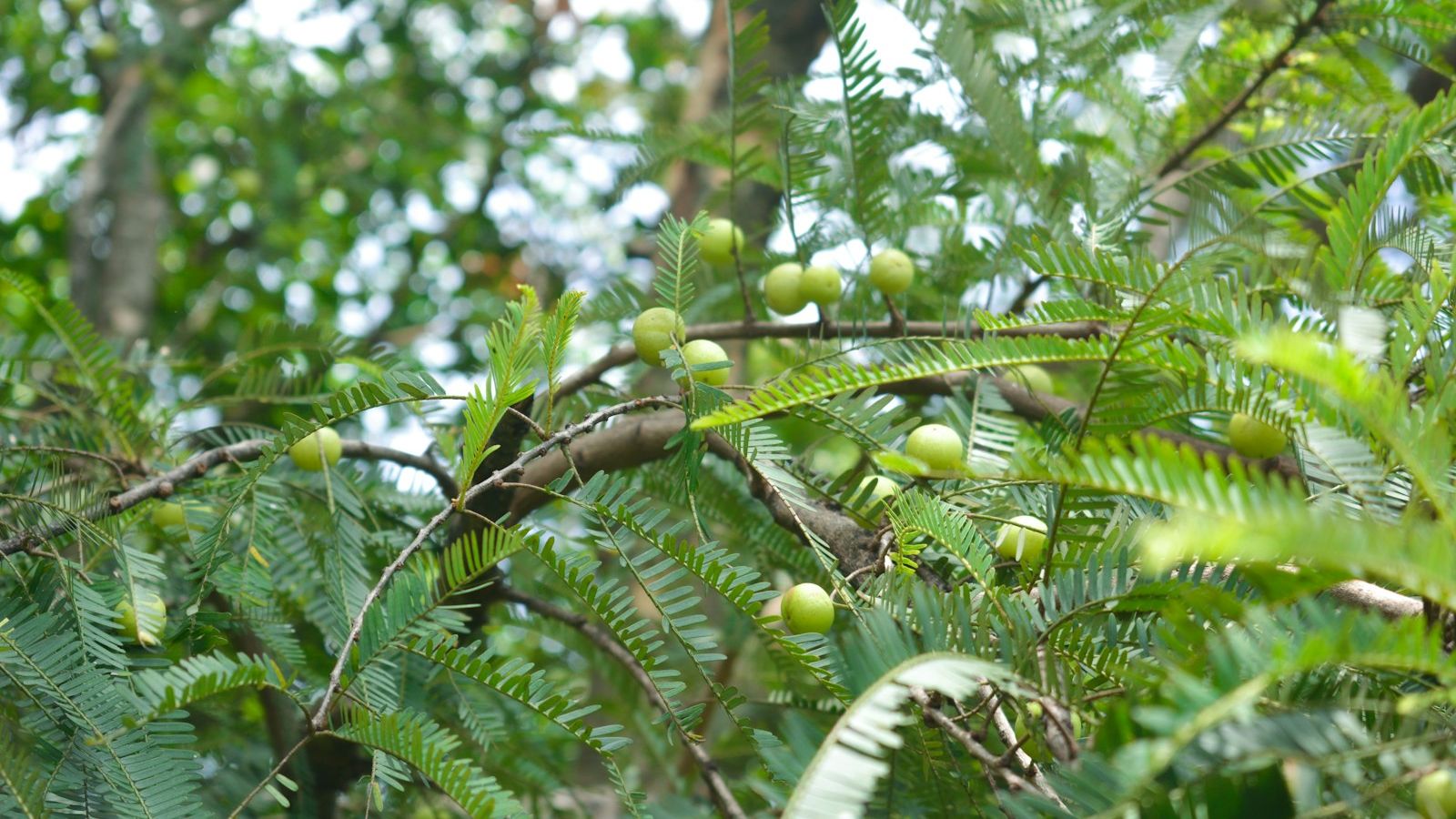
Indian goose berry or Amla is also known as ‘Amalika’ in Sanskrit is one of the most important foods in Ayurveda medicine and is undeniably a power house of nutrients. According to Ayurveda Amla juice is known to balance
Indian goose berry or Amla is also known as ‘Amalika’ in Sanskrit is one of the most important foods in Ayurveda medicine and is undeniably a power house of nutrients. According to Ayurveda Amla juice is known to balance all the process in the body and brings to equilibrium all three doshas- Vata, Kapha, Pitta. Amla can be partially attributed to its high vitamin C content. It has almost twice the antioxidant power of acai berry and about 7 times that of the pomegranate.Many health problems are caused by oxidative damage. Vitamin C is a good antioxidant agent which prevents and repairs damages hence amla is powerful to fight against a variety of conditions including types of cancer. Amla is also said to be rich in many minerals and vitamins like calcium, phosphorous, iron, carotene and vitamin B complex.The Ayurvedic marvel can be used in many forms such as eating raw, juice, chutneys, pickles, murabba and used with other recipes using its powder.
Being a super multi purpose food, Amla has a number of benefits with its antioxidant skin, hair enriching and much more. Let’s take a look at 8 major benefits.
Amla prevents health related hyperlipidemia by reducing the number of free radicals in the body through it antioxidant qualities. Free radicals are associated with signs of aging like wrinkles and age spots.
Amla is used in many hair tonics because it enriches hair growth and hair pigmentation. It strengthens roots of hair, maintains color and improves luster. This quality is due to the carotene content of amla as well as iron content and general antioxidant capacity which reduces hair loss by not allowing free radicals to damage hair follicles or impact the hormones that cause premature hair loss.
Increases metabolic activity
Because of its ability to increase the absorption of proteins, Amla is great way to boost metabolic rate. Your metabolic rate is how fast your body burns calories. Boosting it will lead to faster weight loss, higher energy levels and an overall increase in lean muscle mass.
Get expert advice on nutrition plans and holistic health strategies tailored to your body.
Science-backed clinical nutrition by Dt. Trishala Goswami. Nourish your body, one meal at a time.
Assure Clinic, Andheri West, Mumbai
← Back to Blog Book Consultation
Read next
Frequently asked questions
What makes amla a nutritional superfood?
Amla (Indian gooseberry) contains 20 times more vitamin C than oranges - approximately 600-900 mg per 100 g. It is also rich in polyphenols, ellagic acid, gallic acid, and tannins that provide antioxidant, anti-inflammatory, and antimicrobial effects. It is one of the most nutrient-dense fruits in the Indian subcontinent.
How does amla benefit hair and skin?
Amla's vitamin C boosts collagen synthesis essential for hair and skin structure. It enhances iron absorption, correcting a common cause of hair fall. Amla is also used topically - amla oil and paste strengthen hair shafts, reduce dandruff, and delay greying due to its antioxidant and antimicrobial properties.
Can amla help manage diabetes?
Yes - amla has meaningful hypoglycaemic effects. Studies show it lowers fasting blood sugar, improves insulin sensitivity, and reduces post-meal glucose spikes. The chromium in amla enhances insulin receptor sensitivity. 1-2 fresh amla daily or 5 ml of amla juice is used as an adjunct in diabetes management.
What is the best way to consume amla for maximum benefit?
Fresh amla is the most potent form. Amla juice (10 ml in water on an empty stomach) is practical daily. Amla murabba (preserves) retains some benefits but has high sugar. Dried amla powder (1 teaspoon) in water or smoothies is convenient. Cooking partially reduces vitamin C but retains polyphenols.
How much amla should I eat per day?
1-2 fresh amla daily (or 5-10 ml of juice, or 1 teaspoon of powder) is the commonly used therapeutic range. More than 3-4 fresh amla daily can cause gastric irritation in sensitive individuals due to high acidity. Those on blood thinners should consult a doctor as amla has mild anticoagulant properties.
References
- Healthy diet - fact sheet (World Health Organization)
- The Nutrition Source (Harvard T.H. Chan School of Public Health)
- Dietary Guidelines for Indians (ICMR - National Institute of Nutrition)
- Food & Health Tips (Academy of Nutrition and Dietetics)
MSc Clinical Nutritionist · Diabetes Educator · Certified Nutrigenomics Specialist
Dt. Trishala Goswami is a clinical nutritionist and certified diabetes educator who designs personalized, science-backed nutrition programs for clients across India and abroad. She specializes in diabetes, PCOS, gut health, and nutrigenomics.
More about Dt. TrishalaWant a plan built around you?
Articles can’t replace personalised care. Book a 30-min consultation with Dt. Trishala.
Living outside India? See how online consultations work for NRIs & global clients →
Related reads
The Best Anti-Inflammatory Indian Foods, According to a Clinical Nutritionist
Chronic low-grade inflammation quietly drives PCOS, insulin resistance, gut issues, and joint pain. A clinical nutritionist ranks the best anti-inflammatory Indian foods - and the everyday way to eat them for real effect.
The Best Foods for Healthy Skin and Hair: An Indian Dietitian's List
Glowing skin and strong hair are built from the inside out. A clinical nutritionist ranks the best Indian foods for skin and hair - and explains why the protein and iron on your plate matter more than any cream or capsule.
The Best High-Protein Vegetarian Foods in India, Ranked by a Nutritionist
Most Indian vegetarians eat far less protein than they think. A clinical nutritionist ranks the best high-protein vegetarian foods available in India - with grams per serving and a simple plan to reach your daily target.