Besan Dhokla for PCOS: Recipe + Why It Works

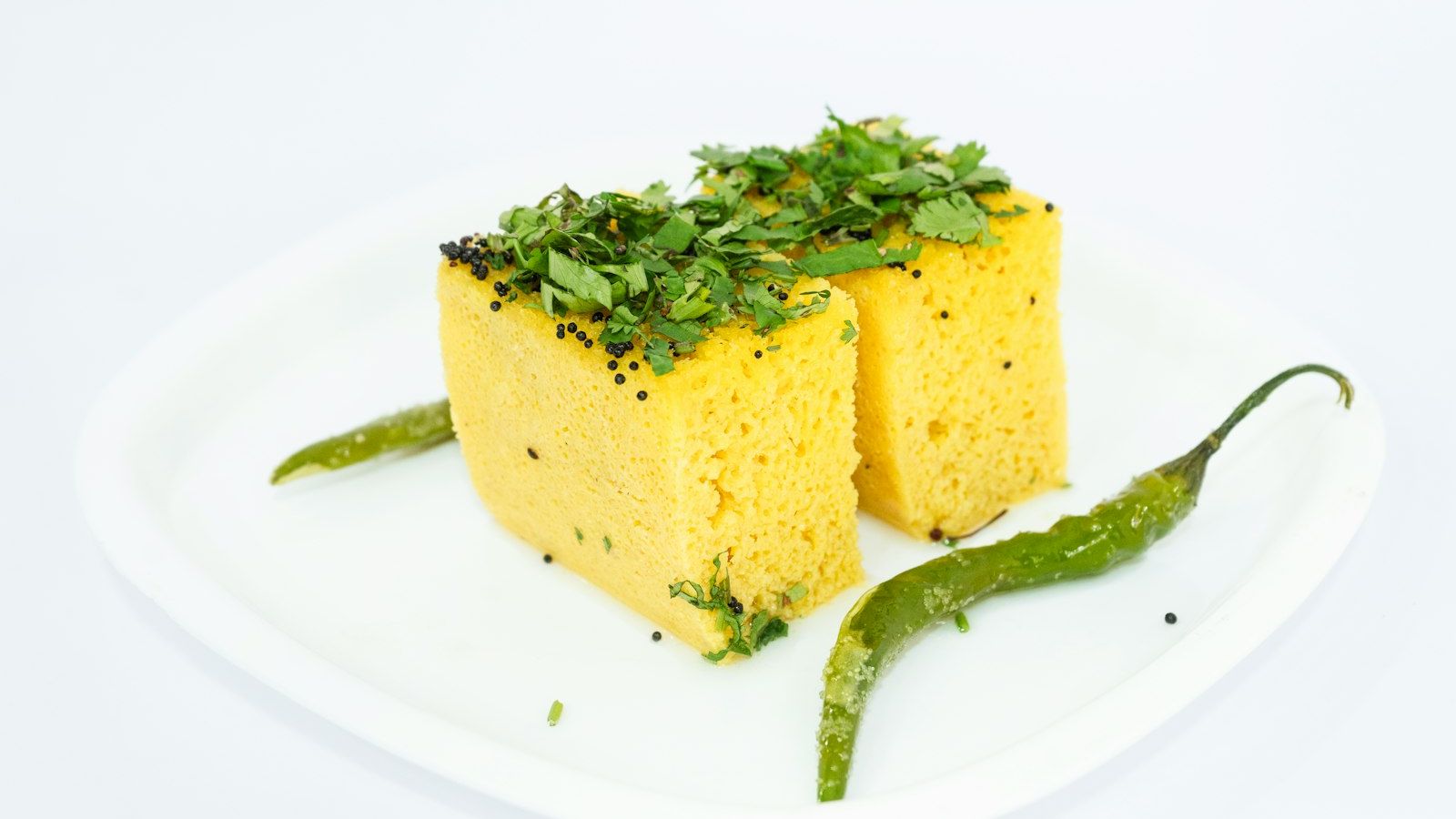
"Dhokla is one of the few traditional snacks that is steamed rather than fried, built on high-protein besan, and naturally light. For PCOS, that makes it a brilliant alternative to biscuits and fried namkeen - as long as you skip the sweet chutney." - Dt. Trishala Goswami, MSc Clinical Nutritionist, Certified Nutrigenomics Specialist
PCOS calls for protein-rich, low-refined-carb, low-fried food - and besan dhokla fits beautifully. It is steamed, so it is low in oil, and chickpea flour gives it real protein. Here's a vegetable-loaded version with the nutrition.
Why besan dhokla is good for PCOS
- Steamed, not fried. Dhokla uses almost no oil, unlike most Indian snacks - kinder to weight and inflammation in PCOS.
- High-protein besan. Chickpea flour gives more protein and fibre and a lower glycaemic impact than wheat or rice.
- Light and satisfying. A protein-rich steamed snack beats biscuits or namkeen for PCOS cravings.
Ingredients (2 servings)
- 1 cup besan (chickpea flour)
- 1/2 cup curd
- 1/4 cup grated vegetables (carrot, spinach)
- 1 tsp ginger-green chilli paste
- 1/4 tsp turmeric
- Salt to taste
- 1 tsp fruit salt (eno) or 1/4 tsp baking soda
- 1 tsp oil + mustard seeds + curry leaves, for tempering
Method
- Make the batter. Whisk the besan with curd, a little water, turmeric, salt, ginger-chilli paste and grated vegetables into a smooth, thick batter.
- Add fruit salt. Stir in the fruit salt just before steaming and mix gently until frothy.
- Steam. Pour into a greased tray and steam for 12-15 minutes, until a toothpick comes out clean.
- Temper. Cool slightly, cut into squares, and temper with mustard seeds and curry leaves in a little oil.
- Serve. Eat with green chutney - skip the sweet chutney to protect your insulin.
Nutrition (per serving, approximate)
| Per serving | |
|---|---|
| Calories | ~160 kcal |
| Protein | ~9 g |
| Carbohydrate | ~22 g |
| Fibre | ~4 g |
| Fat | ~4 g |
A nutritionist's tips for PCOS
- Skip the sugar. Traditional dhokla and its chutney often contain sugar - leave it out and serve with green (coriander-mint) chutney instead.
- Add grated vegetables to raise fibre with negligible extra carbs.
- Have it with a bowl of curd for a complete protein-rich snack.
- Eat it as your 4 pm snack to head off PCOS cravings before dinner.
Variations
- Moong dal dhokla: use ground moong dal instead of besan for a different protein source.
- Add a spoon of flax into the batter for omega-3s (anti-inflammatory benefit for PCOS).
For a structured plan, see what to eat for PCOS and the best foods for PCOS.
This recipe is general nutrition guidance, not a substitute for personalised medical care. PCOS should be managed alongside your doctor.
Related reading
References
- Monash University. International Evidence-Based Guideline for the Assessment and Management of PCOS. monash.edu
- Indian Council of Medical Research - National Institute of Nutrition (ICMR-NIN). Nutritive Value of Indian Foods.
Frequently asked questions
Is dhokla good for PCOS?
Yes, savoury besan dhokla is a good PCOS choice. It is steamed rather than fried, built on high-protein chickpea flour, and light - much better than biscuits or fried snacks. The key is to skip the sugar in the batter and the sweet chutney.
Is dhokla healthy or fattening?
Dhokla is one of the healthier traditional snacks because it is steamed, not fried, so it is low in oil. The traditional sweet version adds sugar, though - making a savoury, vegetable-loaded dhokla keeps it light and PCOS-friendly.
Can I eat besan dhokla for weight loss with PCOS?
Yes, in sensible portions. Steamed, high-protein, low-oil besan dhokla without added sugar is a satisfying snack that supports the protein-forward, low-refined-carb approach that helps with PCOS-related weight.
MSc Clinical Nutritionist · Diabetes Educator · Certified Nutrigenomics Specialist
Dt. Trishala Goswami is a clinical nutritionist and certified diabetes educator who designs personalized, science-backed nutrition programs for clients across India and abroad. She specializes in diabetes, PCOS, gut health, and nutrigenomics.
More about Dt. TrishalaWant a personalised PCOS plan?
Articles can’t replace personalised care. Book a 30-min consultation with Dt. Trishala.
Living outside India? See how online consultations work for NRIs & global clients →
Related reads
PCOS and Hypothyroidism Together: An Indian Diet Guide
PCOS and hypothyroidism overlap so closely in symptoms that one often hides the other - and their diet advice genuinely conflicts on soy, cruciferous vegetables and iodine. A clinical nutritionist explains how to manage both on an Indian plate.
PCOS and Type 2 Diabetes Together: An Indian Diet Guide
PCOS and type 2 diabetes share one root cause, so most of the diet advice overlaps - but the goals, the medications and the timelines differ in ways that matter. A clinical nutritionist and nutrigenomics specialist explains how to build one plan for both.
Is Curd (Dahi) Good for PCOS? (An Indian Dietitian Explains)
Plain dahi is one of the quietly useful foods for PCOS - protein, probiotics, and a low glycemic load that supports insulin and gut health. A clinical nutritionist explains how to use it, and the one type to avoid.