Is Curd (Dahi) Good for PCOS? (An Indian Dietitian Explains)

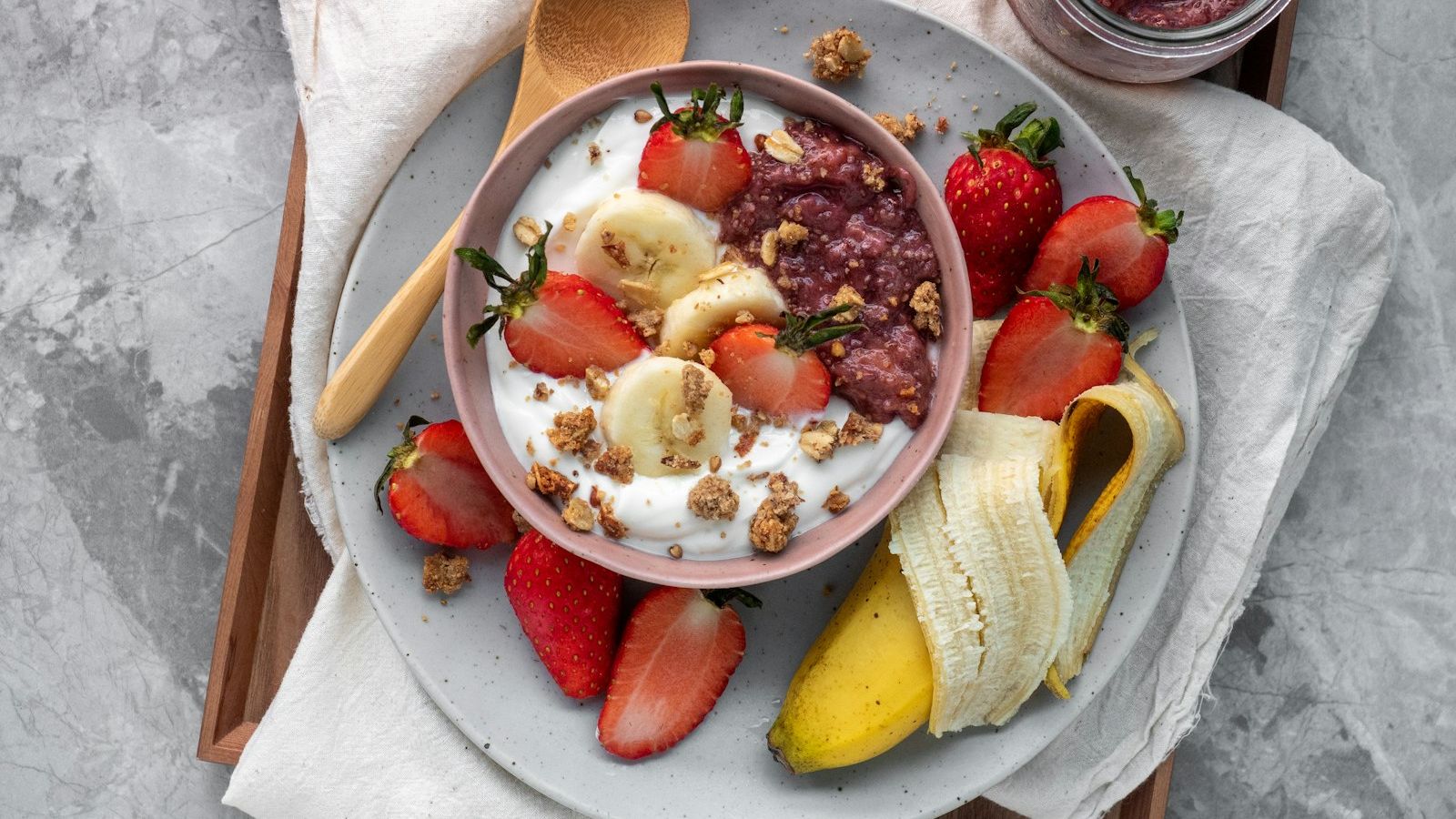
The short answer: Yes - plain, unsweetened curd (dahi) is good for PCOS. It is low-glycemic, adds protein that helps steady insulin, and its live probiotic cultures support the gut, which is increasingly linked to insulin sensitivity and inflammation in PCOS. The one exception is sweetened or fruit-flavoured curd, which adds sugar and works against you. Plain dahi: yes. Sweet yoghurt: no.
"Dahi is one of those everyday foods that quietly does a lot for PCOS. It steadies the meal it joins, feeds the gut, and adds protein - as long as it is plain. The moment it is sweetened or flavoured, it flips from helpful to harmful." - Dt. Trishala Goswami, MSc Clinical Nutritionist, Certified Nutrigenomics Specialist
Why curd helps PCOS
Because most PCOS is driven by insulin resistance, foods earn their place by helping insulin. Plain dahi does this in three ways:
- It is low glycemic (~30-36) and adds protein, so it blunts the blood-sugar-and-insulin rise of any meal it joins. A katori of dahi alongside rice or a paratha lowers that meal's spike.
- It supports the gut. Dahi's live cultures feed a healthier gut microbiome, and gut health is increasingly linked to insulin sensitivity, inflammation, and even androgen levels in PCOS.
- It adds protein and calcium - two things many Indian women with PCOS fall short on.
How to use dahi for PCOS
- Have a katori of plain dahi with meals - it steadies the glucose response and adds protein.
- Stir in a tablespoon of ground flaxseed - one of the best-evidenced PCOS habits, and dahi is the easiest carrier for it.
- Drink chaas (buttermilk) with a meal or in the afternoon as a light, gut-friendly option.
- Use hung curd in place of cream or mayonnaise for a higher-protein, lower-calorie swap.
The one type to avoid
Sweetened, flavoured, and fruit yoghurts undo the benefit. A single cup can carry 15-20g of added sugar - exactly the thing that raises the insulin PCOS is trying to lower. Choose plain, unsweetened dahi and add your own fruit (a few berries) or flax if you want flavour.
What about full-fat vs low-fat?
Plain full-fat dahi is perfectly fine for PCOS - the fat adds satiety and slows digestion further. There is no need to choose low-fat versions, which are often sweetened to compensate for taste. For the full list, see the best foods for PCOS.
This article is general nutrition guidance, not a substitute for personalised medical care.
Related reading
References
- Monash University. International Evidence-Based Guideline for the Assessment and Management of PCOS. monash.edu
- Indian Council of Medical Research - National Institute of Nutrition (ICMR-NIN). Nutritive Value of Indian Foods.
Frequently asked questions
Is curd good for PCOS?
Yes - plain, unsweetened curd (dahi) is good for PCOS. It is low-glycemic, adds protein that helps steady insulin, and its probiotics support gut health, which is linked to insulin sensitivity and inflammation in PCOS. Avoid sweetened or flavoured yoghurt, which adds sugar and works against PCOS.
Can I eat dahi every day with PCOS?
Yes, a katori of plain dahi daily is a good habit for PCOS. It adds protein and probiotics and steadies blood sugar. Stir in ground flaxseed for an added hormonal benefit, and keep it plain - sweetened versions should not be a daily food.
Is curd good for PCOS weight loss?
Plain curd supports PCOS weight loss because its protein blunts hunger and steadies insulin, the hormone that drives PCOS weight gain. Use it plain, as a meal side, raita, or hung curd in place of creamy dressings - and avoid sweetened yoghurts, which add the sugar that stalls weight loss.
Does dahi increase or reduce androgens in PCOS?
Dahi does not directly change androgens, but by improving insulin sensitivity and gut health, plain curd supports the conditions that help keep androgens in check. It works as part of an overall insulin-lowering, gut-supportive PCOS diet rather than as a single fix.
MSc Clinical Nutritionist · Diabetes Educator · Certified Nutrigenomics Specialist
Dt. Trishala Goswami is a clinical nutritionist and certified diabetes educator who designs personalized, science-backed nutrition programs for clients across India and abroad. She specializes in diabetes, PCOS, gut health, and nutrigenomics.
More about Dt. TrishalaWant a personalised PCOS plan?
Articles can’t replace personalised care. Book a 30-min consultation with Dt. Trishala.
Living outside India? See how online consultations work for NRIs & global clients →
Related reads
PCOS and Hypothyroidism Together: An Indian Diet Guide
PCOS and hypothyroidism overlap so closely in symptoms that one often hides the other - and their diet advice genuinely conflicts on soy, cruciferous vegetables and iodine. A clinical nutritionist explains how to manage both on an Indian plate.
PCOS and Type 2 Diabetes Together: An Indian Diet Guide
PCOS and type 2 diabetes share one root cause, so most of the diet advice overlaps - but the goals, the medications and the timelines differ in ways that matter. A clinical nutritionist and nutrigenomics specialist explains how to build one plan for both.
Besan Dhokla for PCOS: Recipe + Why It Works
Steamed, not fried, and built on high-protein besan, dhokla is a light and genuinely PCOS-friendly snack or breakfast - if you keep it savoury. Full recipe with quantities and nutrition.