PCOS and Type 2 Diabetes Together: An Indian Diet Guide

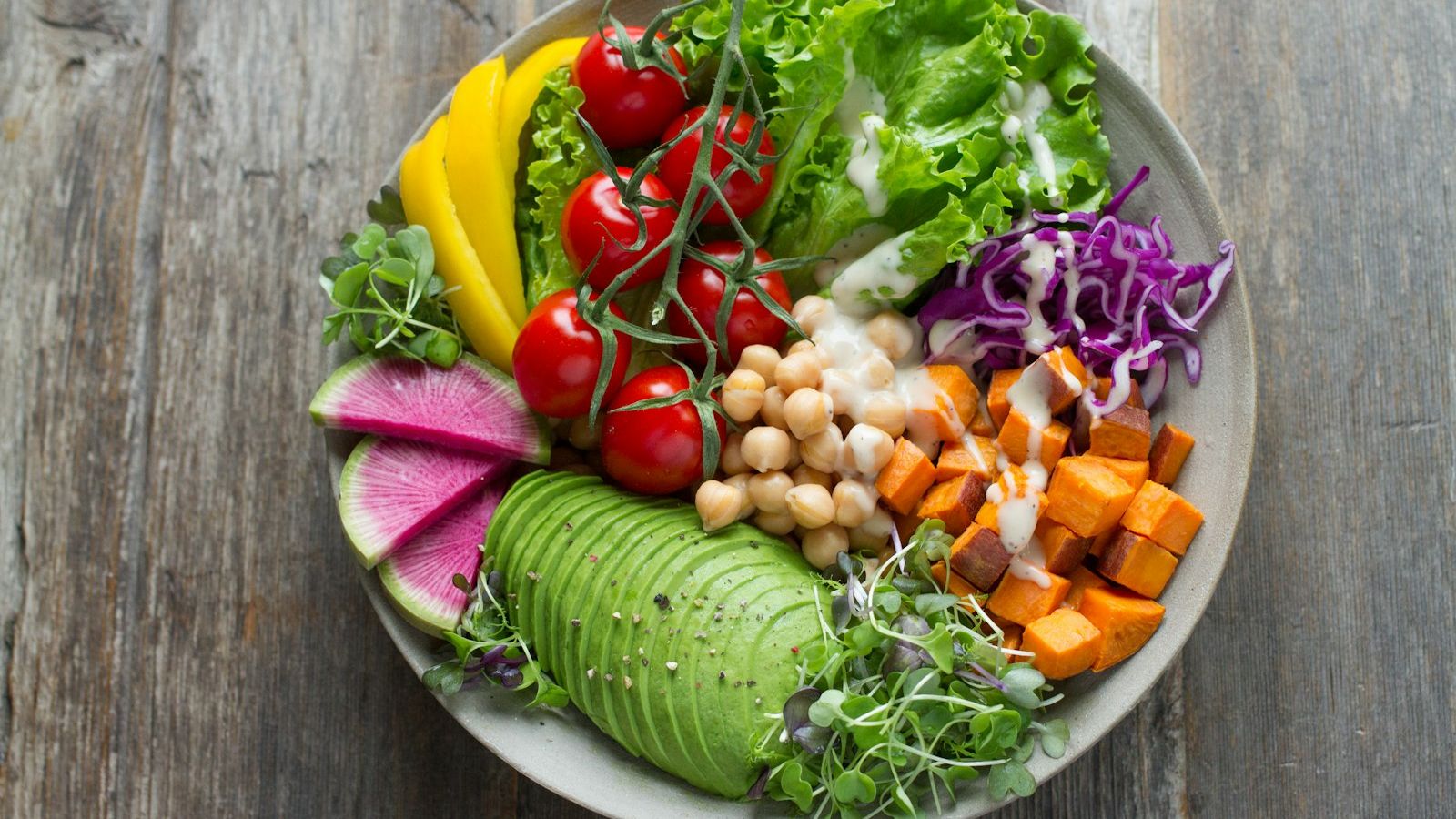
The short answer: PCOS and type 2 diabetes share the same underlying driver - insulin resistance - so unlike most condition pairs, their diets largely agree rather than conflict. One plate serves both: protein at every meal, low-glycaemic carbohydrate in measured portions, generous non-starchy vegetables, and a walk after eating. The genuine differences are in emphasis and timeline. Diabetes management is judged on fasting glucose and HbA1c and responds within weeks; PCOS is judged on cycles, androgens and ovulation and responds over three to six months. Diabetes brings hypoglycaemia risk if you cut carbohydrate sharply while on certain medications; PCOS does not. And PCOS adds specific nutritional considerations - inositol, vitamin D, flaxseed - that diabetes guidance does not mention.
"Women often arrive thinking they have been handed two separate diseases and two separate diets. Almost always they have one problem showing up in two places. That is good news, because a single well-built plate treats both. What changes is what we measure and how long we wait for the answer." - Dt. Trishala Goswami, MSc Clinical Nutritionist, Certified Diabetes Educator, Certified Nutrigenomics Specialist
A client - let us call her Nasreen, 38 - had PCOS since her twenties and was diagnosed with type 2 diabetes at 36. She had been given a diabetes diet sheet by her physician and a PCOS diet sheet from a previous consultation, and she was trying to run both. The two overlapped by perhaps eighty per cent, but where they differed she froze - one said eat fruit in portion, the other said avoid fruit; one counted carbohydrate, the other counted glycaemic index. We threw away both sheets and built one plate. Her fasting glucose moved first, within about six weeks. Her cycle followed at around month four.
That sequence - glucose first, cycles later - is the single most useful thing to understand about managing both.
Table of contents
Why the two conditions travel together
Insulin resistance sits underneath both. When cells respond poorly to insulin, the pancreas produces more of it. That excess insulin does two separate things: it pushes the body toward higher blood glucose over time, which is the road to type 2 diabetes, and it signals the ovaries to produce more androgens, which disrupts ovulation and drives the acne, hair changes and irregular cycles of PCOS.
So they are not two diseases that happen to co-occur. They are two outcomes of the same process, which is why women with PCOS carry a meaningfully higher lifetime risk of developing type 2 diabetes, and why it often appears earlier than it otherwise would. The mechanism is set out in full in our guide to PCOS and insulin resistance.
South Asian bodies add a further layer. Indians tend to develop insulin resistance at lower body weights and with more visceral fat than Western reference populations, which is why a woman with a normal BMI can still have both conditions - covered in why Indians get diabetes at a lower weight.
Where the two diets agree
This is most of the plan, and it is worth stating plainly so you stop looking for hidden contradictions:
- Protein at every meal. Twenty to thirty grams per meal blunts the insulin spike. This is the single highest-leverage change for both conditions.
- Low glycaemic load carbohydrate, portioned. Millets, parboiled rice, whole legumes, oats - and a measured quantity rather than an open plate.
- Half the plate non-starchy vegetables. Dilutes the glycaemic load and adds fibre.
- Eat vegetables and protein before the carbohydrate. Sequence measurably lowers the spike.
- Walk ten to fifteen minutes after meals. Among the best-evidenced habits for both.
- Cut refined flour, sugar, jaggery, fruit juice and sugary drinks. Both conditions agree completely.
- Sleep and stress matter. Poor sleep worsens insulin resistance directly, which worsens both.
If you do only these seven things, you have covered the great majority of what both conditions require.
Where they genuinely differ
| Type 2 diabetes | PCOS | |
|---|---|---|
| **What you measure** | Fasting glucose, post-meal glucose, HbA1c | Cycle length, ovulation, androgen symptoms, fasting insulin |
| **How fast it responds** | Post-meal readings same day; HbA1c over a quarter | Energy and cravings in weeks; cycles over 3-6 months |
| **Carbohydrate cutting** | Risk of hypoglycaemia on some medications - must be coordinated with your doctor | No hypoglycaemia risk from diet alone |
| **Weight** | Modest loss improves glucose | Even 5-10% loss can restore ovulation |
| **Specific nutrients** | No PCOS-specific additions | Inositol, vitamin D, ground flaxseed have PCOS-specific evidence |
| **Fruit** | Portioned whole fruit is fine | Portioned whole fruit is fine |
| **Dairy** | No restriction | Some women find it worsens acne - individual, worth testing |
The fruit row is there because it is the contradiction people most often think exists. Both conditions permit whole fruit in sensible portions. Neither permits fruit juice. The confusion comes from poor-quality diet sheets, not from the conditions.
The one plate that serves both
Breakfast - protein-first, always. This is where most Indian breakfasts fail both conditions at once. Poha, upma and a fruit bowl are carbohydrate-dominant. Replace with: besan chilla with vegetables, moong dal chilla, egg bhurji, paneer bhurji, or oats cooked savoury with vegetables and a protein alongside. See our Indian diabetic breakfast guide.
Lunch. A full katori of dal or rajma or chana, a measured katori of parboiled rice or two millet rotis, a generous sabzi, and a small katori of curd. Vegetables and dal first, grain last.
Evening snack. This is where both plans usually break. Roasted makhana, a small handful of nuts, sprouts chaat, or a boiled egg - not biscuits, rusk or namkeen.
Dinner - lighter, earlier. Paneer or tofu or fish with a large vegetable portion and one millet roti. Eating earlier helps both fasting glucose and, in many women, sleep quality.
Daily additions. A tablespoon of freshly ground flaxseed. Soaked methi seed water in the morning. Both are cheap, safe and have reasonable evidence.
Medication: what changes on the plate
This is the part where the two conditions genuinely diverge, and where you must involve your doctor.
Metformin is commonly prescribed for both, which is convenient - it addresses the shared mechanism. It can cause gastrointestinal upset, particularly at the start or after a dose increase, and long-term use is associated with reduced vitamin B12 absorption, so periodic B12 checks are a reasonable conversation with your physician.
Sulfonylureas and insulin carry hypoglycaemia risk. If you are on either and you sharply reduce your carbohydrate intake, your blood sugar can drop too low. This is the single most important safety point on this page. Do not make a large dietary change while on these medications without telling your doctor, so your dose can be reviewed as your numbers improve.
Hormonal contraceptives are often prescribed for PCOS symptom control. They do not treat insulin resistance, and some formulations may affect glucose handling. That is a discussion for your gynaecologist and physician together.
Nothing on this page is a reason to change any prescribed dose yourself. As your diet improves your numbers, medication is often reduced - but by your doctor, on the evidence of your readings.
Supplements: where PCOS adds something diabetes does not
Diabetes nutrition guidance says relatively little about supplements. PCOS guidance says more, and there is reasonable evidence behind some of it:
- Inositol (particularly myo-inositol) has the strongest evidence base of the PCOS supplements for insulin sensitivity and cycle regularity. See our detailed review of inositol for PCOS.
- Vitamin D deficiency is very common in India and is associated with worse insulin resistance. Worth testing rather than guessing.
- Ground flaxseed - lignans may help lower free androgens, and the fibre steadies glucose. A food, not a supplement, and the easiest daily habit to keep.
All of these sit alongside the plate, not instead of it, and all should be discussed with your clinician - particularly if you are on medication. Our evidence-based guide to PCOS supplements covers what is and is not supported.
What to expect, and when
Setting the timeline correctly prevents most of the discouragement.
- Days: post-meal glucose readings improve immediately once you eat protein and vegetables before carbohydrate and walk afterwards.
- Three to four weeks: fasting glucose typically begins to move. Energy, cravings and digestion usually improve in this window too.
- Three months: a meaningful HbA1c change becomes visible - HbA1c reflects roughly the preceding three months, so testing sooner tells you little.
- Three to six months: cycle regularity, acne and hair changes. Ovulatory function moves on a slower biological timeline than glucose does, and no diet accelerates it much.
If you judge a PCOS plan by whether your cycle changed in six weeks, you will abandon a plan that was working. Judge the glucose markers early and the hormonal markers late.
What most plans miss
PCOS has subtypes, and they respond differently. The insulin-resistant subtype - which is the one that overlaps with type 2 diabetes - leans hardest on the low-glycaemic, protein-first approach. The adrenal and inflammatory subtypes need different emphasis, and over-restricting can make the adrenal subtype worse. A blanket PCOS diet is not one-size-fits-all.
Under-eating backfires on both. Aggressive restriction raises cortisol, which worsens insulin resistance - the exact thing you are trying to fix. This is the most common self-inflicted mistake in this combination.
Lean PCOS with diabetes is real. You do not need to be overweight to have either condition, particularly with a South Asian body composition. If your BMI is normal, the plan does not change much - the target is insulin, not the scale.
Fasting insulin and HOMA-IR are more useful than glucose alone for tracking the PCOS side, because insulin rises long before glucose does. Our HOMA-IR guide explains the Indian cut-offs, and you can estimate yours with the HOMA-IR calculator.
Thyroid should be checked. Hypothyroidism is common alongside PCOS and produces overlapping symptoms - fatigue, weight gain, cycle changes. If your plan is not working, an unchecked thyroid is a frequent reason.
This article is educational and is not a substitute for personalised medical care. Both PCOS and type 2 diabetes require ongoing clinical supervision. Do not start, stop or change any prescribed medication - or begin a supplement - without your doctor's guidance, particularly if you take insulin or a sulfonylurea.
Related reading
References
- American Diabetes Association. Standards of Care in Diabetes: nutrition therapy. diabetes.org
- International evidence-based guideline for the assessment and management of polycystic ovary syndrome. Monash University.
- Indian Council of Medical Research - National Institute of Nutrition (ICMR-NIN). Nutritive Value of Indian Foods.
Frequently asked questions
Can you have PCOS and type 2 diabetes at the same time?
Yes, and it is common. Both are driven by insulin resistance, so they share a root cause rather than simply co-occurring. Women with PCOS carry a higher lifetime risk of developing type 2 diabetes, and it often appears earlier than it otherwise would. In South Asian women this can happen at a lower body weight than Western reference ranges would suggest, so a normal BMI does not rule either condition out.
Is the PCOS diet the same as the diabetes diet?
Largely yes - roughly eighty per cent overlaps, because both target insulin. Protein at every meal, low-glycaemic carbohydrate in measured portions, half the plate vegetables, eating carbohydrate last, and walking after meals serve both. The real differences are in what you measure and how long you wait: diabetes is tracked by glucose and HbA1c and responds within weeks, while PCOS is tracked by cycles and androgens and takes three to six months. PCOS also adds specific considerations such as inositol, vitamin D and ground flaxseed.
Which improves first, blood sugar or my periods?
Blood sugar, almost always. Post-meal readings improve within days of changing meal composition and sequence, and fasting glucose usually moves within three to four weeks. Cycle regularity and androgen symptoms such as acne and hair changes typically take three to six months, because ovulatory function shifts on a slower biological timeline. Expecting the cycle to change first is the most common reason women abandon a plan that is actually working.
Is it safe to cut carbohydrates if I have both PCOS and diabetes?
Reducing refined carbohydrate and portioning the rest is appropriate for both. But if you take insulin or a sulfonylurea, a sharp reduction can cause hypoglycaemia, so any substantial change must be coordinated with your doctor so your dose can be reviewed. Very low-carbohydrate or crash approaches are not advisable in any case - aggressive restriction raises cortisol, which worsens the insulin resistance you are trying to correct.
Does metformin treat both PCOS and diabetes?
Metformin is commonly prescribed for both because it addresses the shared mechanism of insulin resistance, and many women with both conditions are on it for that reason. Prescribing decisions belong to your doctor. Two practical points worth raising with them: gastrointestinal side effects are common when starting or increasing the dose, and long-term use is associated with reduced vitamin B12 absorption, so periodic B12 testing is reasonable.
Should I take inositol if I have diabetes as well as PCOS?
Inositol has the strongest evidence of the PCOS supplements for insulin sensitivity and cycle regularity, and it is generally well tolerated. Because it can affect insulin sensitivity, it should be discussed with your doctor before starting if you are on diabetes medication, so your glucose can be monitored and doses reviewed if needed. It works alongside the plate rather than instead of it - no supplement substitutes for the meal structure. --- **Managing PCOS and diabetes together?** [Explore the PCOS programme](/services/pcos) with Dt. Trishala Goswami, or take the [free PCOS assessment](/quiz/pcos) to see where your plan should start.
MSc Clinical Nutritionist · Diabetes Educator · Certified Nutrigenomics Specialist
Dt. Trishala Goswami is a clinical nutritionist and certified diabetes educator who designs personalized, science-backed nutrition programs for clients across India and abroad. She specializes in diabetes, PCOS, gut health, and nutrigenomics.
More about Dt. TrishalaWant a personalised PCOS plan?
Articles can’t replace personalised care. Book a 30-min consultation with Dt. Trishala.
Living outside India? See how online consultations work for NRIs & global clients →
Related reads
PCOS and Hypothyroidism Together: An Indian Diet Guide
PCOS and hypothyroidism overlap so closely in symptoms that one often hides the other - and their diet advice genuinely conflicts on soy, cruciferous vegetables and iodine. A clinical nutritionist explains how to manage both on an Indian plate.
Is Curd (Dahi) Good for PCOS? (An Indian Dietitian Explains)
Plain dahi is one of the quietly useful foods for PCOS - protein, probiotics, and a low glycemic load that supports insulin and gut health. A clinical nutritionist explains how to use it, and the one type to avoid.
Besan Dhokla for PCOS: Recipe + Why It Works
Steamed, not fried, and built on high-protein besan, dhokla is a light and genuinely PCOS-friendly snack or breakfast - if you keep it savoury. Full recipe with quantities and nutrition.