What to Eat for PCOS - An Indian Dietitian's Guide

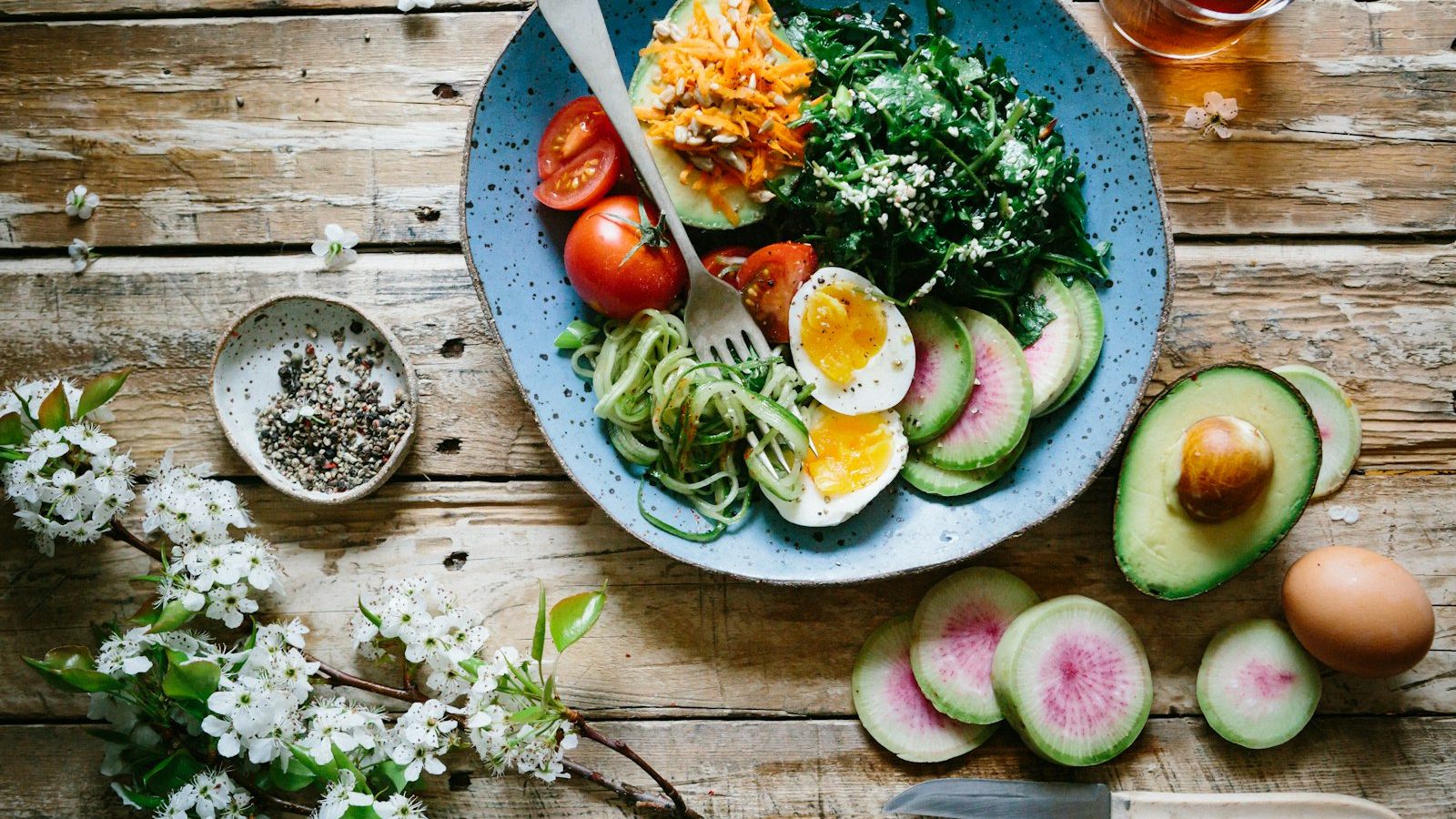
"PCOS is not a life sentence - it's a signal from your body asking for the right nourishment. When you stop fighting food and start working with it, everything shifts."
- Dt. Trishala Goswami, MSc Clinical Nutritionist & Nutrigenomics Specialist
"I've cut out rice, stopped eating ghee, and I'm surviving on salads - but my PCOS is still not improving."
I hear some version of this almost every week in my clinic. And every time, my heart sinks a little - because the problem isn't a lack of willpower. It's misinformation.
PCOS (Polycystic Ovary Syndrome) affects roughly 1 in 5 Indian women of reproductive age, according to a meta-analysis published in the Indian Journal of Endocrinology and Metabolism (Nidhi et al., 2011). Yet most of the diet advice floating around online is built for Western kitchens and Western bodies. Where does that leave a woman in Ahmedabad who grew up on dal-chawal and loves her morning methi paratha?
Right here. This guide is written specifically for you - grounded in clinical evidence, shaped by years of working with Indian women, and filled with foods you'll actually find in your kitchen.
Table of Contents
Understanding the PCOS-Diet Connection
PCOS is not just a reproductive issue - it is a metabolic and hormonal condition. At its core, most women with PCOS deal with some degree of insulin resistance, which means the body produces insulin but doesn't use it efficiently. This excess insulin signals the ovaries to produce more androgens (male hormones like testosterone), which then cause the symptoms we associate with PCOS: irregular periods, acne, hair thinning, weight gain around the belly, and difficulty conceiving.
A landmark study by Dunaif (1997) in Endocrine Reviews established insulin resistance as a central feature of PCOS, present in up to 70% of women with the condition regardless of body weight. This is critical - it means even lean women with PCOS often have underlying insulin dysfunction.
What does food have to do with this? Everything. What you eat directly influences your blood sugar, insulin levels, inflammation, and gut health - all of which feed into the PCOS cycle. In my practice, I've seen women reduce their androgen levels, restore ovulation, and lose stubborn weight simply by restructuring their plates - not by eating less, but by eating differently.
The goal is not a restrictive "PCOS diet." The goal is a sustainable way of eating that keeps insulin steady, lowers chronic inflammation, supports gut bacteria, and provides the micronutrients your hormones desperately need.
The 5 Nutritional Priorities for PCOS
Before I list specific foods, let me share the framework I use with every PCOS client. These are the five pillars I build every meal plan around:
1. Blood Sugar Stability
This is non-negotiable. Every meal should include protein, healthy fat, and fibre to slow down the glucose spike. A roti with sabzi is better than a roti alone. A bowl of poha with peanuts and vegetables is better than plain poha.
Research published in Diabetes Care (Ludwig, 2002) demonstrated that low-glycemic diets improve insulin sensitivity and reduce androgen levels in women - exactly what we want in PCOS.
2. Anti-Inflammatory Eating
PCOS is now recognized as a state of chronic low-grade inflammation. A study by González (2012) in Steroids journal showed that inflammatory markers like CRP and IL-6 are consistently elevated in women with PCOS, independent of obesity.
Anti-inflammatory foods include turmeric (haldi), ginger (adrak), omega-3 rich seeds (flax, chia), fatty fish, leafy greens, and berries. The good news? Indian cooking already uses many of these - we just need to be more intentional about it.
3. Adequate Protein
Most Indian women I work with eat far too little protein. A typical breakfast of poha or upma might have 4-6 grams of protein when they need 15-20 grams per meal. Protein is essential for blood sugar control, satiety, and muscle preservation - all critical in PCOS management.
4. Gut Health Support
Emerging research links PCOS to gut dysbiosis. A 2019 study in The Journal of Clinical Endocrinology & Metabolism (Qi et al.) found that women with PCOS have significantly less microbial diversity compared to healthy controls. Fermented foods, prebiotic fibre, and minimizing processed food all support a healthier gut.
5. Micronutrient Adequacy
Women with PCOS are commonly deficient in Vitamin D, magnesium, zinc, chromium, and B-vitamins. These deficiencies worsen insulin resistance and hormonal imbalance. Food-first is my approach, with targeted supplementation where needed.
Best Indian Foods for PCOS
Here is where it gets practical. These are the foods I consistently recommend, categorized by their primary benefit.
For Blood Sugar Control
Whole grains and millets: Jowar (sorghum), bajra (pearl millet), ragi (finger millet), and barley are excellent low-GI alternatives to refined wheat. A ragi dosa for breakfast or a bajra roti with dinner can make a meaningful difference. Millets are also rich in magnesium, which supports insulin function.
Legumes and dals: Moong dal, chana dal, masoor dal, rajma, chole - these are protein-and-fibre powerhouses. A bowl of dal with every meal is one of the simplest PCOS strategies I recommend.
Cinnamon (dalchini): Multiple studies, including a trial published in Fertility and Sterility (Wang et al., 2007), have shown cinnamon improves insulin sensitivity in women with PCOS. Add half a teaspoon to your morning chai or oatmeal.
For Reducing Inflammation
Turmeric (haldi): Curcumin, the active compound in turmeric, is a potent anti-inflammatory. Use it generously in sabzis, dals, and golden milk. Pair it with black pepper (piperine) to enhance absorption by up to 2,000%.
Omega-3 rich foods: Flaxseeds (alsi), chia seeds, walnuts (akhrot), and fatty fish like rawas (Indian salmon) and bangda (mackerel). A tablespoon of ground flaxseed daily is one of the easiest wins for PCOS. A study in The Journal of Clinical Endocrinology & Metabolism (Nadjarzadeh et al., 2013) found omega-3 supplementation significantly reduced testosterone levels in women with PCOS.
Green leafy vegetables: Palak, methi, bathua, sarson - loaded with magnesium, folate, and antioxidants. Aim for at least one serving daily.
For Gut Health
Fermented foods: Homemade dahi (curd), buttermilk (chaas), kanji, idli/dosa batter (naturally fermented), and pickles made with traditional methods. These are rich in probiotics that support microbial diversity.
Prebiotic fibre: Garlic, onion, banana (especially slightly raw), chicory, and oats feed the good bacteria already in your gut.
For Hormonal Balance
Seeds (seed cycling): While the research on seed cycling is still emerging, I've seen promising results clinically. Flaxseeds and pumpkin seeds in the follicular phase, sesame seeds and sunflower seeds in the luteal phase - they provide lignans, zinc, and selenium that support estrogen and progesterone metabolism.
Cruciferous vegetables: Broccoli, cauliflower (gobi), cabbage (patta gobi), and radish (mooli) contain compounds like indole-3-carbinol that help the liver metabolize excess estrogen.
Foods to Reduce or Avoid
I want to be careful here - I don't believe in "forbidden foods" lists that create anxiety. But some foods genuinely worsen PCOS biochemistry, and being aware helps you make informed choices.
Limit Significantly
Refined carbohydrates: Maida-based products like naan, white bread, biscuits, cakes, and instant noodles cause rapid blood sugar spikes. Replace maida roti with atta roti, or better yet, millet-based alternatives.
Sugary beverages and packaged juices: A glass of packaged mango juice can contain 30+ grams of sugar - more than a chocolate bar. Stick to whole fruits, nimbu pani, or coconut water.
Deep-fried foods: Daily pakoras, samosas, and puris add inflammatory omega-6 fats. Save these for occasional enjoyment, not everyday eating.
Processed and ultra-processed foods: Chips, namkeen, ready-to-eat meals, and sugary cereals are loaded with refined oils, sugar, and additives that drive inflammation.
Be Mindful With
Dairy: This is nuanced. Some women with PCOS tolerate dairy well; others find it worsens acne and inflammation. In my practice, I typically suggest switching from regular milk to A2 milk or trying a 3-week dairy elimination to observe changes. Dahi and paneer are usually better tolerated than milk - how dahi fits a PCOS diet goes into which type helps and which quietly works against you.
Caffeine: Moderate coffee (1-2 cups) is generally fine, but excessive caffeine can raise cortisol, which worsens insulin resistance. Avoid sugary coffee drinks entirely.
A Sample Day of PCOS-Friendly Indian Meals
Here's what a realistic, enjoyable day of eating might look like. This is not a rigid plan - it's a template to show you how to combine foods effectively.
Early Morning (7:00 AM) Warm water with half a lemon and a pinch of cinnamon. 5 soaked almonds and 2 walnuts.
Breakfast (8:30 AM) Moong dal chilla (2 medium) topped with grated vegetables, served with mint chutney and a small bowl of homemade dahi. Sprinkle ground flaxseed on the chilla batter. Protein: ~18g | Fibre: ~8g
Mid-Morning (11:00 AM) A small handful of roasted makhana (fox nuts) with a pinch of turmeric and black pepper. Or a seasonal fruit like guava or apple with a tablespoon of peanut butter.
Lunch (1:00 PM) One bajra roti + one small bowl of rajma or chole + palak sabzi cooked in cold-pressed mustard oil + a katori of brown rice or quinoa pulao + salad with cucumber, tomato, and lemon. Protein: ~22g | Fibre: ~12g
Evening Snack (4:30 PM) Roasted chana (50g) or a small bowl of sprouts chaat with onion, tomato, lemon, and chaat masala. Green tea or tulsi chai without sugar.
Dinner (7:30 PM) Grilled or pan-seared fish (rawas/surmai) or paneer bhurji with lots of vegetables + one ragi roti + lauki or turai sabzi + a small bowl of homemade dal. Protein: ~25g | Fibre: ~9g
Before Bed (Optional) A cup of warm turmeric milk (golden milk) made with A2 milk or almond milk, a pinch of turmeric, black pepper, and a drop of honey.
Supplements Worth Discussing With Your Doctor
Food comes first, always. But certain supplements have strong evidence behind them for PCOS. I recommend discussing these with your healthcare provider:
Inositol (Myo-inositol + D-chiro-inositol in 40:1 ratio): Considered a first-line nutraceutical for PCOS. A meta-analysis in Gynecological Endocrinology (Unfer et al., 2017) found it improves insulin sensitivity, reduces androgens, and restores ovulation. I've seen remarkable results with this in my practice - some clients restore regular cycles within 3 months.
Vitamin D: Deficiency is rampant in Indian women (some estimates suggest 70-80% are deficient), and it directly worsens insulin resistance. Get your levels tested and supplement if below 30 ng/mL.
Omega-3 fatty acids: If you don't eat fish regularly, a good quality fish oil supplement (EPA+DHA) can help lower inflammation and triglycerides.
Magnesium glycinate: Supports insulin function, reduces sugar cravings, and improves sleep - all beneficial for PCOS.
Important: Do not self-prescribe supplements. Dosages matter, interactions matter, and what works for one person may not be appropriate for another. Always consult a qualified healthcare professional.
Common PCOS Diet Myths - Busted
In my years of practice, I've encountered the same myths over and over. Let me address the biggest ones:
Myth 1: "You must go gluten-free for PCOS." Unless you have celiac disease or a diagnosed gluten sensitivity, there is no strong evidence that eliminating gluten improves PCOS. What helps is reducing refined wheat (maida) - which is about the processing, not the gluten. A whole wheat roti is absolutely fine for most women with PCOS.
Myth 2: "Rice is the enemy." Rice is not your enemy. White rice eaten alone on an empty stomach? Not ideal. But a small portion of rice eaten with dal, sabzi, and some dahi is a balanced meal with a manageable glycemic load. I never ask my clients to give up rice entirely - I ask them to eat it smarter.
Myth 3: "Ghee will make PCOS worse." Pure desi ghee in moderate amounts (1-2 teaspoons per day) is actually beneficial. It contains butyrate, a short-chain fatty acid that supports gut health and reduces inflammation. The issue is not ghee - it is excess quantity and pairing it with refined carbs.
Myth 4: "You need to eat 1,200 calories to lose weight with PCOS." Severely restricting calories slows down your metabolism, increases cortisol, and can worsen hormonal imbalance. Most of my PCOS clients eat between 1,500-1,800 calories and still lose weight - because the composition of those calories matters more than the number.
Myth 5: "Fruit is too sugary for PCOS." Whole fruits are packed with fibre, vitamins, and antioxidants. Yes, they contain natural sugar, but eaten whole (not juiced), they have a moderate glycemic impact. Guava, apple, pear, berries, and papaya are especially good choices. Limit mangoes and grapes to small portions.
Key Takeaways
Here's the quick summary you can screenshot and keep:
- PCOS is primarily a metabolic condition - managing insulin is the single most impactful dietary strategy.
- Build every meal around three pillars: protein + fibre + healthy fat. This keeps blood sugar stable.
- Embrace Indian foods: Dal, millets, sabzis, dahi, turmeric, flaxseeds, and fish are your allies. You don't need exotic superfoods.
- Reduce, don't eliminate: Cut back on maida, sugar, packaged foods, and deep-fried snacks. You don't need to give up rice, ghee, or roti.
- Address inflammation and gut health: These are the overlooked drivers of PCOS that diet can powerfully influence.
- Supplements like inositol and Vitamin D have strong evidence - but discuss with your doctor first.
- Consistency beats perfection. An 80% balanced approach sustained for months will always outperform a 100% restrictive diet abandoned in two weeks.
Related PCOS guides
Ready for a structured week? Follow our 7-day Indian PCOS diet plan, or see our ranked list of the best foods for PCOS. Then go deeper on the pieces that matter most for your case: the best PCOS breakfasts, PCOS meal prep for the week, why PCOS weight loss gets stuck, the PCOS-insulin resistance connection, and which PCOS subtype you have. On supplements, see our evidence reviews of inositol and the best PCOS supplements.
PCOS rarely arrives alone. If you also have a thyroid diagnosis or type 2 diabetes, the single-condition advice starts contradicting itself - see PCOS and hypothyroidism together and PCOS with type 2 diabetes, or the general method in eating with more than one condition.
Struggling with PCOS and not sure where to start with your diet?
For a plan designed specifically for women with PCOS - rooted in clinical evidence, tailored to Indian food habits, and focused on sustainable results - explore our PCOS programme or book a consultation with Dt. Trishala Goswami on WhatsApp: Book a consultation on WhatsApp. Not sure your current plan is up to scratch? Check it against what a good Indian PCOS diet plan includes.
Medical Disclaimer: This article is for informational and educational purposes only. It is not a substitute for professional medical advice, diagnosis, or treatment. PCOS is a complex condition with individual variations - always consult your gynecologist, endocrinologist, or registered dietitian before making significant dietary changes or starting supplements. The clinical observations shared here are from my practice and may not apply universally.
About the Author: Dt. Trishala Goswami is an MSc Clinical Nutritionist, Certified Diabetes Educator, and Nutrigenomics Specialist. She runs Yogyaahar, an evidence-based nutrition practice focused on helping Indians manage metabolic and hormonal conditions through personalized dietary strategies.
#
Related reading
References
- Nidhi, R., et al. (2011). Prevalence of polycystic ovarian syndrome in Indian adolescents. Indian Journal of Endocrinology and Metabolism, 15(Suppl 2), S158.
- Dunaif, A. (1997). Insulin resistance and the polycystic ovary syndrome: mechanism and implications for pathogenesis. Endocrine Reviews, 18(6), 774-800.
- Ludwig, D.S. (2002). The glycemic index: physiological mechanisms relating to obesity, diabetes, and cardiovascular disease. JAMA, 287(18), 2414-2423.
- González, F. (2012). Inflammation in polycystic ovary syndrome: underpinning of insulin resistance and ovarian dysfunction. Steroids, 77(4), 300-305.
- Qi, X., et al. (2019). Gut microbiota-bile acid-interleukin-22 axis orchestrates polycystic ovary syndrome. Nature Medicine, 25(8), 1225-1233.
- Wang, J.G., et al. (2007). The effect of cinnamon extract on insulin resistance parameters in polycystic ovary syndrome: a pilot study. Fertility and Sterility, 88(1), 240-243.
- Nadjarzadeh, A., et al. (2013). The effect of omega-3 supplementation on androgen profile and menstrual status in women with polycystic ovary syndrome. The Journal of Clinical Endocrinology & Metabolism, 98(8), 3104-3112.
- Unfer, V., et al. (2017). Myo-inositol effects in women with PCOS: a meta-analysis of randomized controlled trials. Gynecological Endocrinology, 33(9), 720-731.
MSc Clinical Nutritionist · Diabetes Educator · Certified Nutrigenomics Specialist
Dt. Trishala Goswami is a clinical nutritionist and certified diabetes educator who designs personalized, science-backed nutrition programs for clients across India and abroad. She specializes in diabetes, PCOS, gut health, and nutrigenomics.
More about Dt. TrishalaWant a personalised PCOS plan?
Articles can’t replace personalised care. Book a 30-min consultation with Dt. Trishala.
Living outside India? See how online consultations work for NRIs & global clients →
Related reads
PCOS and Hypothyroidism Together: An Indian Diet Guide
PCOS and hypothyroidism overlap so closely in symptoms that one often hides the other - and their diet advice genuinely conflicts on soy, cruciferous vegetables and iodine. A clinical nutritionist explains how to manage both on an Indian plate.
PCOS and Type 2 Diabetes Together: An Indian Diet Guide
PCOS and type 2 diabetes share one root cause, so most of the diet advice overlaps - but the goals, the medications and the timelines differ in ways that matter. A clinical nutritionist and nutrigenomics specialist explains how to build one plan for both.
Is Curd (Dahi) Good for PCOS? (An Indian Dietitian Explains)
Plain dahi is one of the quietly useful foods for PCOS - protein, probiotics, and a low glycemic load that supports insulin and gut health. A clinical nutritionist explains how to use it, and the one type to avoid.