10 PCOS-Friendly Indian Breakfast Ideas That Support Hormone Balance

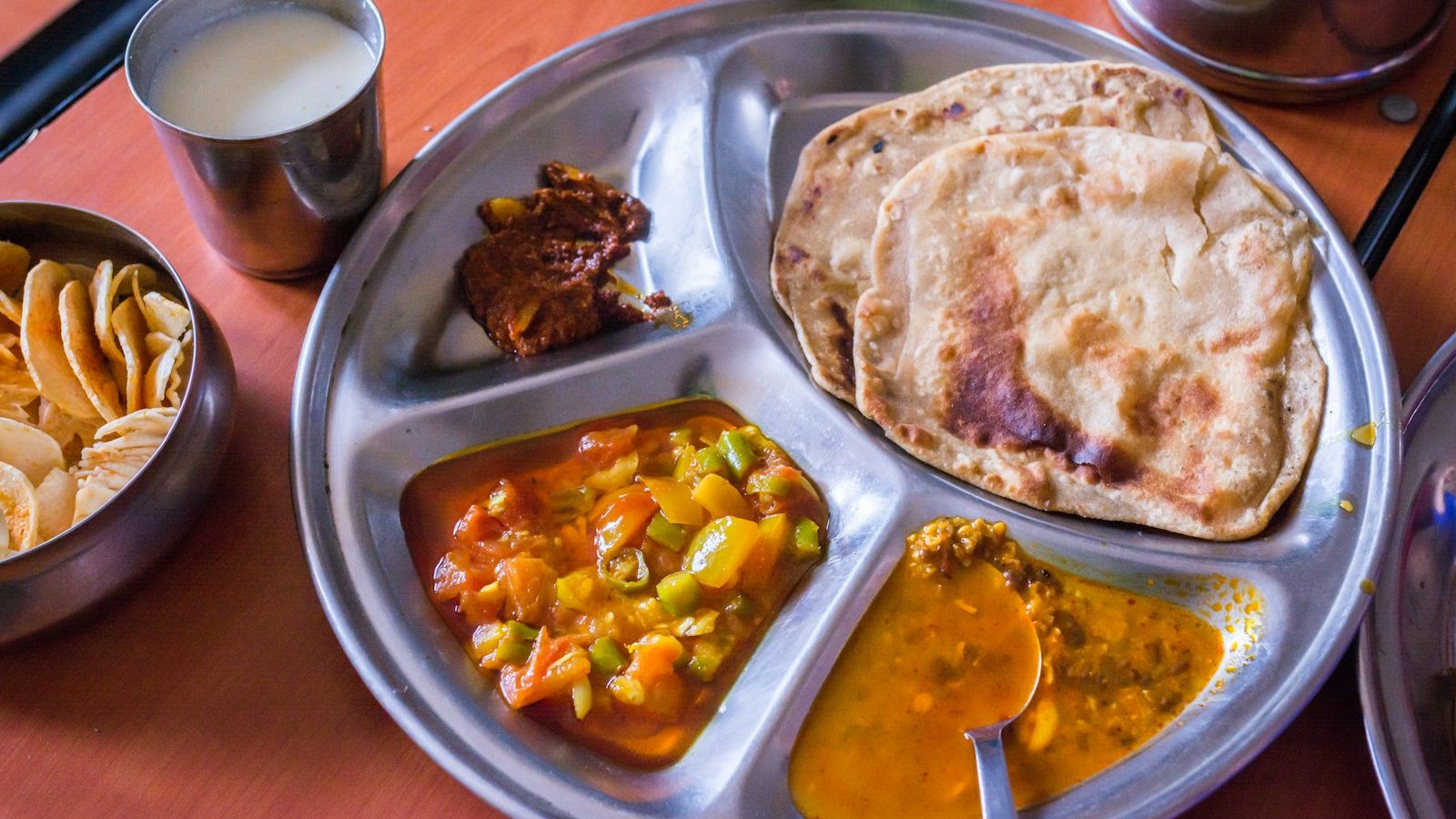
"Breakfast is not just the first meal - in PCOS, it is a hormonal intervention. The right breakfast can reduce your insulin response for the entire day. The wrong one can set off a cascade that affects your mood, hunger, energy, and androgens from morning to night." - Dt. Trishala Goswami, MSc Clinical Nutritionist
A client - let us call her Sneha - used to start her day with two slices of brown bread toast and a banana, believing this was a healthy PCOS breakfast. By 10:30 AM she was ravenous, anxious, and reaching for something sweet. Her mornings felt like a blood sugar rollercoaster. When we replaced her breakfast with a moong dal chilla and a small bowl of dahi, her mid-morning hunger disappeared within a week. Same calorie range - completely different hormonal outcome.
Why Breakfast Composition Matters So Much in PCOS
In PCOS, insulin resistance means the body has to produce more insulin to manage the same amount of glucose. Insulin is highest in the morning due to the cortisol awakening response (a natural cortisol spike on waking that temporarily raises blood sugar). A high-carbohydrate, low-protein breakfast hits this already-elevated insulin environment and drives it higher - worsening androgen production, increasing fat storage signals, and destabilising energy through the day.
The framework for a PCOS-supportive breakfast: protein first, fibre present, fat included, refined carbohydrates minimised. This combination slows glucose absorption, blunts the insulin spike, and keeps hunger hormones (ghrelin) suppressed until the next meal.
Aim for 20-30 grams of protein at breakfast. This single change produces more consistent blood sugar control through the morning than any other dietary modification in PCOS.
Protein-First Breakfasts
1. Moong Dal Chilla (2-3 chilla)
Why it works: Moong dal is one of the most complete plant proteins in the Indian kitchen - two medium chilla provide approximately 12-15g protein. Moong has a low glycaemic index and is rich in soluble fibre, both of which help moderate insulin. It also contains folate, which supports methylation pathways relevant to hormone metabolism.
How to make it better: Add grated bottle gourd (lauki), spinach, or finely chopped methi leaves to the batter. Serve with mint-coriander chutney (not the sweet tomato sauce). A small bowl of dahi on the side adds calcium and another 4-6g protein.
Approximate protein: 14-18g
2. Besan (Chickpea Flour) Chilla
Why it works: Chickpea flour is protein-dense (~10g per 100g) and has a low glycaemic index. Besan chilla is also quick to prepare - 10 minutes from start to plate. The combination of protein and fibre from chickpeas supports both blood sugar stability and gut health, which is linked to oestrogen metabolism.
How to make it better: Add finely chopped tomatoes, green chillies, coriander, and ajwain (carom seeds - digestive support). Serve with a tablespoon of thick curd. Avoid pairing with white bread or sweet chutney.
Approximate protein: 12-16g
3. Eggs with Sabzi (2 eggs, any preparation)
Why it works: Eggs are the most bioavailable complete protein source available - two eggs provide approximately 12g protein and all essential amino acids. The fat in egg yolks supports fat-soluble vitamin absorption and does not spike insulin. Research specifically on PCOS has found that a higher-protein breakfast improves androgen profiles and reduces mid-morning hunger compared to a carbohydrate-dominant breakfast.
How to make it better: Scramble with a small onion, tomato, and spinach (egg bhurji style). Add turmeric and black pepper. Pair with one small multigrain roti if additional carbohydrate is needed, rather than white toast.
Approximate protein: 12-14g (eggs alone)
High-Fibre Breakfasts
4. Overnight Oats with Dahi and Nuts
Why it works: Rolled oats (not instant) soaked overnight have a lower glycaemic index than cooked oats. They are rich in beta-glucan fibre, which slows glucose absorption and has been studied for insulin sensitising effects. Dahi adds protein and probiotics (live cultures support gut health and oestrogen recycling). Nuts add healthy fats that further slow glucose absorption.
How to make it better: Use steel-cut or rolled oats, not quick oats. Soak 3-4 tablespoons in dahi or unsweetened plant milk overnight. Top with walnuts (omega-3s), pumpkin seeds (zinc, relevant to testosterone metabolism), and a few berries or half a small apple. Sweeten with a pinch of cinnamon - not sugar or honey.
Approximate protein: 10-14g
5. Dalia (Broken Wheat) with Dal
Why it works: Dalia is less refined than white bread or rava (semolina) and retains more of the wheat bran, providing fibre and a lower GI than processed wheat products. Adding moong dal or masoor dal to the dalia preparation adds protein and transforms it from a carbohydrate meal into a more balanced one.
How to make it better: Cook dalia with a small amount of moong dal, tomato, onion, and spices (jeera, hing, turmeric). Add a dollop of ghee. This is essentially a protein-enriched dalia khichdi - filling, low-GI, and anti-inflammatory from the turmeric and ghee's butyrate.
Approximate protein: 10-14g (with dal added)
6. Sprouts Chaat with Lemon and Chaat Masala
Why it works: Sprouted moong or moth beans have a higher protein and lower starch content than their unsprouted counterparts - the sprouting process partially converts starches. Sprouts are also rich in enzymes and B-vitamins. This is a room-temperature breakfast that requires no cooking.
How to make it better: Mix sprouted moong with chopped tomato, cucumber, onion, coriander, a squeeze of lemon, and a small pinch of chaat masala or jeera powder. Add a tablespoon of hung curd for extra protein. Eat within 30 minutes of preparation for best enzyme activity.
Approximate protein: 10-14g
Anti-Inflammatory Breakfasts
7. Ragi (Finger Millet) Dosa with Coconut Chutney
Why it works: Ragi is uniquely rich in calcium (approximately 344mg per 100g - higher than milk per calorie) and contains polyphenols with documented anti-inflammatory and anti-diabetic properties. It has a moderate GI of approximately 68 - lower than white rice or white bread - and is gluten-free, making it suitable for women with concurrent gluten sensitivity.
How to make it better: Use a 70:30 ratio of urad dal to ragi flour for the batter. The urad dal fermentation improves digestibility and adds protein. Serve with fresh coconut chutney (coconut has medium-chain fats that are not pro-inflammatory) rather than sweet chutneys.
Approximate protein: 8-12g
8. Methi (Fenugreek) Thepla with Thick Curd
Why it works: Fenugreek has consistent clinical evidence for improving insulin sensitivity - the galactomannan fibre in fenugreek slows glucose absorption and the alkaloid trigonelline stimulates insulin secretion. Methi thepla made with whole wheat flour and fresh methi leaves combines this benefit with the satiety of complex carbohydrates. Paired with thick curd, it becomes a protein-and-fibre meal.
How to make it better: Use 2 small thepla (not 4-5 large ones - portion matters). Make with fresh or frozen methi, not just dried. Pair with plain full-fat curd rather than sweetened yoghurt. Add a pinch of ajwain and jeera to the dough for digestive support.
Approximate protein: 10-14g (with curd)
Quick Breakfasts for Busy Mornings
9. Paneer Bhurji (Scrambled Paneer) with One Roti
Why it works: Paneer is one of the highest-protein dairy foods in the Indian kitchen - 100g provides approximately 18g protein. Unlike processed cheese or butter, paneer contains a meaningful amount of protein with moderate fat. A 60-70g serving of paneer bhurji with one small roti provides a balanced, low-GI breakfast.
How to make it better: Scramble paneer with onion, tomato, capsicum, turmeric, and minimal oil. Use low-fat paneer if total fat intake is a concern. Serve with one small whole wheat roti rather than two large ones - keep the carbohydrate portion moderate.
Approximate protein: 14-18g
10. Smoothie Bowl with Chia, Dahi, and Seeds (Portion-Controlled)
Why it works: A smoothie bowl can be a PCOS-supportive breakfast or a blood sugar disaster depending on how it is built. The version that works: dahi-based rather than juice-based, with chia seeds (omega-3, fibre), seeds (pumpkin, sunflower), and only a small amount of fruit.
How to make it better: Base of 150g thick curd. Blend with half a banana and a small handful of spinach. Top with a tablespoon of chia seeds, a tablespoon of mixed seeds, and 5-6 walnuts. No added honey, dates, or fruit juice. This keeps protein high (14-16g), GI moderate, and anti-inflammatory omega-3 fats present.
Approximate protein: 14-16g
The One Thing Most PCOS Breakfasts Get Wrong
The most common breakfast mistake I see among women with PCOS is eating carbohydrates alone. A bowl of poha with no protein. White bread toast with jam. Fruit juice with nothing else. Even "healthy" granola with low-fat milk.
Every PCOS breakfast should include a meaningful protein source. Not as a side thought - as the central component around which the rest of the meal is built.
Breakfast is the first meal of the day - to structure the rest, follow our 7-day Indian PCOS diet plan. For a full picture of how diet affects PCOS at the hormonal level, see our PCOS programme. And if you are wondering why weight loss remains difficult despite eating well, read why PCOS makes weight loss harder - and what actually helps.
PCOS breakfast recipes to try
Put the principles to work with these step-by-step PCOS-friendly recipes, each with nutrition per serving:
Frequently asked questions
What is the best breakfast for PCOS?
A breakfast with 20-30g protein, fibre from whole foods, and moderate complex carbohydrates. Practically, this means something like moong dal chilla with dahi, eggs with sabzi, or besan chilla with a small portion of whole grain. The specific dish matters less than the nutritional composition - protein-first, fibre-present, refined carbohydrates minimal.
Can I eat oats with PCOS?
Yes - rolled or steel-cut oats are appropriate for PCOS when prepared correctly. Avoid instant oats (higher GI) and avoid topping oats with fruit juice, honey, or dried fruit. Overnight oats with dahi and nuts are better than plain cooked oats with milk and sugar. The protein addition (dahi, nuts, seeds) is what makes oats a genuinely supportive breakfast rather than just another carbohydrate meal.
Is dahi good for PCOS breakfast?
Yes. Dahi (full-fat, preferably homemade or freshly prepared) provides protein, calcium, and live cultures that support gut health and oestrogen metabolism. The probiotics in dahi - particularly Lactobacillus strains - have been studied for their influence on the gut-hormone axis in PCOS. Use plain, unsweetened dahi. Flavoured yoghurts with added sugar are not equivalent.
Should I eat before or after exercise with PCOS?
For most women with PCOS, a small pre-workout snack (a handful of nuts, a small bowl of sprouts, half a banana with peanut butter) is beneficial before morning exercise - exercising completely fasted can raise cortisol, which is already a concern in PCOS. Post-exercise, eat a proper protein-inclusive breakfast within 60-90 minutes. The specific timing depends on the type and intensity of exercise and your individual tolerance - a clinical nutritionist can personalise this.
Is banana good for PCOS?
Bananas are not off-limits in PCOS, but they should be eaten mindfully. A ripe banana has a medium-to-high GI and approximately 23-27g of carbohydrate. Eaten alone on an empty stomach, it can cause a meaningful insulin spike. Paired with a protein source (nut butter, dahi, nuts) or as part of a meal, the glycaemic impact is moderated. Half a banana in an overnight oat bowl is fine; two bananas on their own as breakfast is not ideal.
MSc Clinical Nutritionist · Diabetes Educator · Certified Nutrigenomics Specialist
Dt. Trishala Goswami is a clinical nutritionist and certified diabetes educator who designs personalized, science-backed nutrition programs for clients across India and abroad. She specializes in diabetes, PCOS, gut health, and nutrigenomics.
More about Dt. TrishalaWant a personalised PCOS plan?
Articles can’t replace personalised care. Book a 30-min consultation with Dt. Trishala.
Living outside India? See how online consultations work for NRIs & global clients →
Related reads
PCOS and Hypothyroidism Together: An Indian Diet Guide
PCOS and hypothyroidism overlap so closely in symptoms that one often hides the other - and their diet advice genuinely conflicts on soy, cruciferous vegetables and iodine. A clinical nutritionist explains how to manage both on an Indian plate.
PCOS and Type 2 Diabetes Together: An Indian Diet Guide
PCOS and type 2 diabetes share one root cause, so most of the diet advice overlaps - but the goals, the medications and the timelines differ in ways that matter. A clinical nutritionist and nutrigenomics specialist explains how to build one plan for both.
Is Curd (Dahi) Good for PCOS? (An Indian Dietitian Explains)
Plain dahi is one of the quietly useful foods for PCOS - protein, probiotics, and a low glycemic load that supports insulin and gut health. A clinical nutritionist explains how to use it, and the one type to avoid.