The Best Indian Dinners for Diabetics, According to a Diabetes Educator

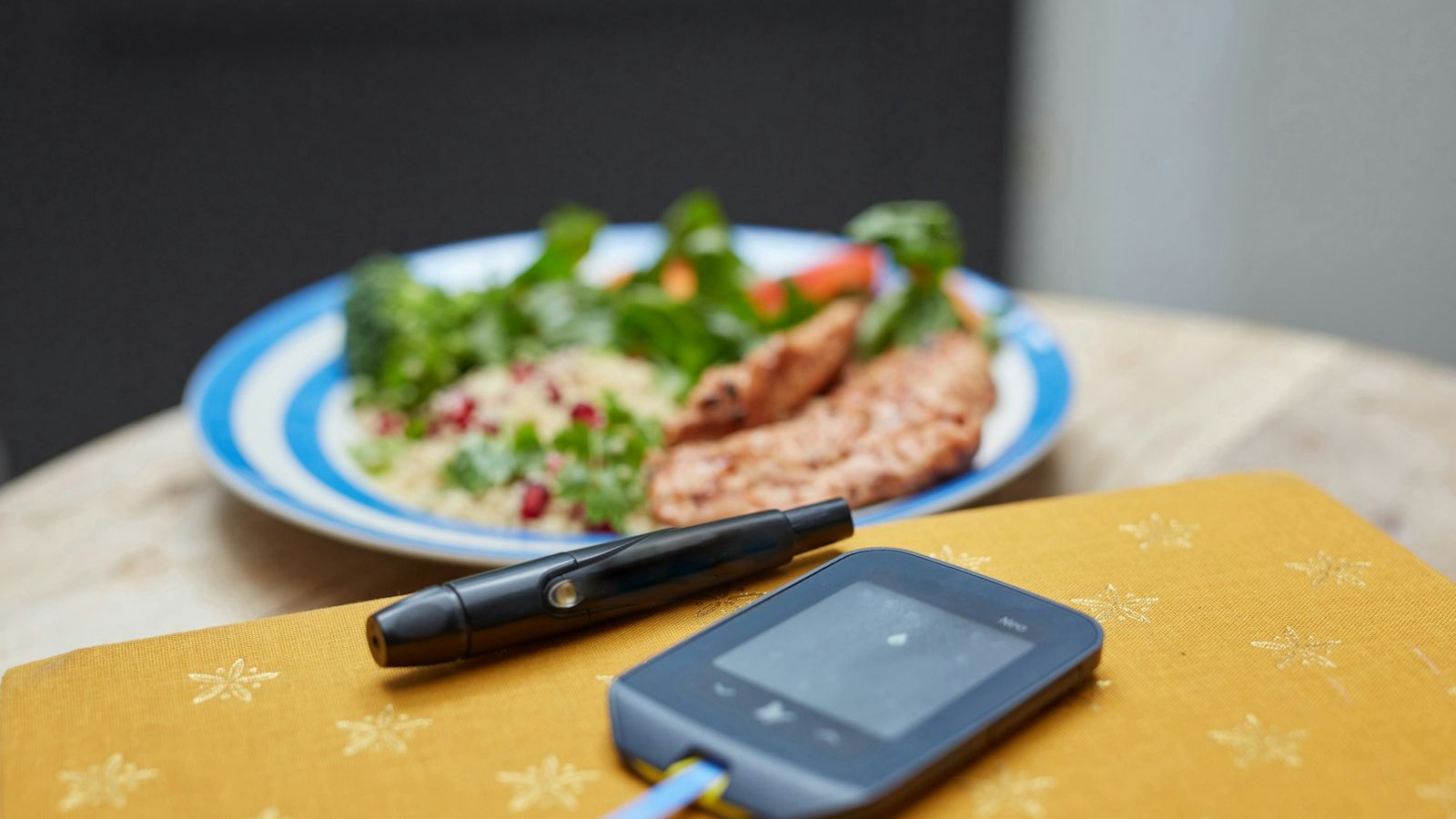
"People obsess over their fasting sugar and never connect it to last night's dinner. A heavy 10 PM meal of rice and sabzi keeps glucose elevated through the night, and the next morning's reading reflects it. When I move a client's dinner earlier and lighter, the fasting number often falls 20-30 mg/dL within two weeks - no medication change, just timing." - Dt. Trishala Goswami, MSc Clinical Nutritionist, Certified Diabetes Educator
A client - let us call him Arvind - had well-controlled daytime readings but a stubbornly high fasting blood sugar of 140-155 mg/dL that frustrated him and his physician. His dinner was the issue: a large rice-and-sabzi meal at 10:15 PM, often followed by fruit. We made two changes - dinner at 7:45 PM instead of 10:15, and a lighter plate built around dal, vegetables, and two millet rotis instead of rice. Within three weeks his fasting readings settled at 110-120 mg/dL. Nothing else changed.
Dinner is the meal that quietly writes your next morning's fasting number.
Why Dinner Decides Your Fasting Blood Sugar
Most people with diabetes watch their fasting glucose closely but rarely link it to the previous night. Two mechanisms make dinner uniquely important:
Overnight glucose clearance. When you eat a large, carbohydrate-heavy meal late at night, your body is winding down - physical activity is minimal and insulin sensitivity is naturally lower in the evening. The glucose from that meal clears slowly and stays elevated through the night, which is exactly what your morning fasting reading captures.
The dinner-to-dawn window. A late dinner shortens the overnight fast. Combined with the dawn phenomenon - the early-morning hormone surge that raises glucose - a late, heavy dinner stacks two glucose pressures on top of each other, producing a higher fasting number.
The framework for a diabetic dinner: eat earlier (ideally by 8 PM), keep it lighter than lunch, lead with protein and vegetables, and keep the carbohydrate small. If your fasting numbers stay stubborn despite this, our guide on why HbA1c is not coming down covers the other common causes.
The Best Indian Dinners for Diabetics
A diabetic dinner should be the lightest substantial meal of the day - protein-forward, vegetable-rich, and modest on grains.
1. Moong Dal or Vegetable Soup with a Side of Paneer
Blood sugar profile: Low GI; warming and light; minimal overnight glucose load Protein: 15-20g Why it works: A bowl of moong dal soup or a mixed vegetable soup, paired with a few cubes of grilled paneer or tofu, is an almost ideal diabetic dinner - high protein, high fibre, low carbohydrate, and easy to digest before sleep. It satisfies without leaving a heavy glucose load to clear overnight.
2. Two Millet Rotis with Dal and a Green Sabzi
Blood sugar profile: Lower GI than wheat or rice; balanced and familiar Protein: 14-18g Why it works: Two small bajra, jowar, or ragi rotis with a katori of dal and a leafy green sabzi (palak, methi, or lauki) is a complete, familiar dinner with a gentle glucose curve. Millet rotis have a lower GI than rice or refined wheat, and keeping it to two rotis keeps the carbohydrate measured.
3. Besan Chilla or Vegetable Omelette
Blood sugar profile: High protein, very low carbohydrate Protein: 14-18g Why it works: A besan (chickpea flour) chilla packed with vegetables, or a two-egg vegetable omelette, makes a quick, protein-dense, low-carbohydrate dinner. Chickpea flour has a very low GI (~8-11), and eggs add complete protein with essentially no carbohydrate - both excellent for keeping overnight glucose flat.
4. Grilled Fish or Chicken with Sautéed Vegetables
Blood sugar profile: Negligible carbohydrate; pure protein and micronutrients Protein: 22-30g Why it works: For non-vegetarians, a piece of grilled or lightly curried fish or chicken with a generous portion of sautéed or steamed vegetables is one of the best diabetic dinners possible - high protein, no meaningful carbohydrate load, and very gentle on overnight glucose.
5. Tofu or Paneer Bhurji with One Small Roti
Blood sugar profile: Protein-dominant with a measured carbohydrate Protein: 16-22g Why it works: A generous portion of paneer or tofu bhurji - scrambled with onion, tomato, and capsicum - alongside one small multigrain roti makes a satisfying dinner that stays protein-forward. The single roti provides enough carbohydrate for satiety without burdening the overnight glucose window.
6. A Large Salad Bowl with Sprouts and Paneer
Blood sugar profile: Low GI; very high fibre; light Protein: 14-18g Why it works: On nights when you want something genuinely light, a large bowl of salad - greens, cucumber, tomato, sprouted moong, and cubes of paneer or boiled egg, dressed with lemon and olive oil - is filling, protein-adequate, and produces almost no overnight glucose rise. Particularly useful if dinner ends up being later than ideal.
Dinner Timing: The Most Underused Lever
For people with diabetes, when you eat dinner can matter as much as what you eat:
- Aim to finish dinner by 8 PM where your schedule allows. This gives the body 3-4 waking hours to clear the meal's glucose before sleep.
- Keep a gap of at least 2-3 hours between dinner and bed. Lying down soon after a meal slows digestion and prolongs the glucose elevation.
- If you must eat late, eat lighter. A late dinner should be the soup-and-paneer or salad-and-sprouts option, not rice and sabzi.
- Avoid the post-dinner sweet and the bedtime fruit. A dessert or a "healthy" fruit after dinner adds a final glucose load right before the overnight fast, directly raising the fasting reading.
A short 10-15 minute walk after dinner further lowers the post-meal glucose and is one of the simplest, most effective habits for overnight control.
What NOT to Eat for Dinner as a Diabetic
A large rice-based dinner. Rice late at night is the most common cause of a high fasting reading. If you eat rice, make dinner the meal where you skip it, or keep it to a very small katori eaten early.
A late, heavy dinner after 9:30-10 PM. Even a balanced plate eaten very late clears slowly and elevates overnight glucose. Timing undermines an otherwise good meal.
Fruit or sweets as dessert. The bedtime banana, the post-dinner mithai, or "just a little kheer" each add a fast sugar load at the worst possible time. Save fruit for earlier in the day, eaten whole.
Maida-based dinners: naan, bhatura, pasta, or noodles. Refined flour spikes glucose and the effect lingers overnight.
Skipping dinner entirely. Going to bed hungry can trigger an overnight counter-regulatory hormone response that raises fasting glucose in some people (and risks lows for those on certain medications). A light, protein-forward dinner is better than no dinner. Always coordinate medication timing with your physician if you change your evening eating pattern.
For a dinner plan matched to your medications, fasting targets, and routine, see our Diabetes Management programme. If you are working toward reversal, our article on the science of Type 2 diabetes reversal explains where dinner timing fits into the bigger picture.
Frequently asked questions
What is the best dinner for a diabetic in India?
The best diabetic dinner is lighter than lunch, eaten earlier (ideally by 8 PM), and built around protein and vegetables with minimal grain. Strong options: moong dal soup with paneer, two millet rotis with dal and a green sabzi, a besan chilla or vegetable omelette, or grilled fish or chicken with sautéed vegetables. The shared principle is high protein, low carbohydrate, and early timing - the combination that keeps overnight glucose flat and improves the next morning's fasting reading.
What time should a diabetic eat dinner?
As early as your schedule reasonably allows - finishing by around 8 PM is a good target, with at least a 2-3 hour gap before bed. An earlier dinner gives the body waking hours to clear the meal's glucose, while a late dinner (after 9:30-10 PM) clears slowly and raises the fasting reading. If you genuinely cannot eat early, make the late meal lighter and more protein-forward.
Can a diabetic eat roti at night?
Yes, in moderation. Two small millet or multigrain rotis with dal and a vegetable make a perfectly good diabetic dinner. Millet rotis (bajra, jowar, ragi) have a lower glycaemic index than rice or refined wheat. The key is keeping it to one or two small rotis rather than three or four, and pairing them with protein and fibre rather than eating them as the bulk of the meal.
Why is my fasting blood sugar high in the morning?
The two most common dietary causes are a late dinner and a heavy, carbohydrate-rich dinner - both keep glucose elevated through the night, which the fasting reading captures. The dawn phenomenon (an early-morning hormone surge) adds to this. Eating an earlier, lighter, protein-forward dinner often lowers fasting glucose by 20-30 mg/dL within a couple of weeks. If your fasting number stays high despite a good dinner, other factors may be involved - our guide on why HbA1c is not coming down covers them.
Should diabetics eat fruit after dinner?
It is best avoided. Fruit eaten after dinner adds a sugar load right before the overnight fast, which raises the fasting reading. Fruit is healthy, but for people with diabetes the timing matters - eat whole fruit earlier in the day, ideally with or after a meal that contains protein, rather than as a post-dinner dessert.
Is it okay for a diabetic to skip dinner?
Generally no. Skipping dinner can trigger an overnight hormone response that raises fasting glucose in some people, and for those on certain medications it risks a dangerous low. A light, protein-forward dinner - a soup with paneer, or a salad with sprouts and egg - is better than skipping. If you are considering any form of evening fasting, coordinate the timing of your medication with your physician first.
MSc Clinical Nutritionist · Diabetes Educator · Certified Nutrigenomics Specialist
Dt. Trishala Goswami is a clinical nutritionist and certified diabetes educator who designs personalized, science-backed nutrition programs for clients across India and abroad. She specializes in diabetes, PCOS, gut health, and nutrigenomics.
More about Dt. TrishalaWant a personalised Diabetes plan?
Articles can’t replace personalised care. Book a 30-min consultation with Dt. Trishala.
Living outside India? See how online consultations work for NRIs & global clients →
Related reads
Diabetes and Kidney Disease: An Indian Diet Guide for Both
Diabetes is the leading cause of kidney disease, yet the two diets contradict each other on rice, dal, millets and protein. A clinical nutritionist explains how to manage both on an Indian plate - and why the renal rules usually win.
Diabetes Diet for Elderly Indians: Softer Food, Weaker Appetite, More Medicines
Diabetes advice written for a 45-year-old can be actively harmful at 75. A Certified Diabetes Educator explains what changes with age - relaxed targets, higher protein needs, softer textures, and why tight control becomes the wrong goal.
Eating With More Than One Condition: An Indian Guide
Most diet advice assumes you have one condition. Real people have two or three, and the advice contradicts itself. A clinical nutritionist explains the five rules for resolving those conflicts - and applies them to the combinations Indians face most.