HEALTHY EATING PLATE: 8 Foods to Include in Your Meals

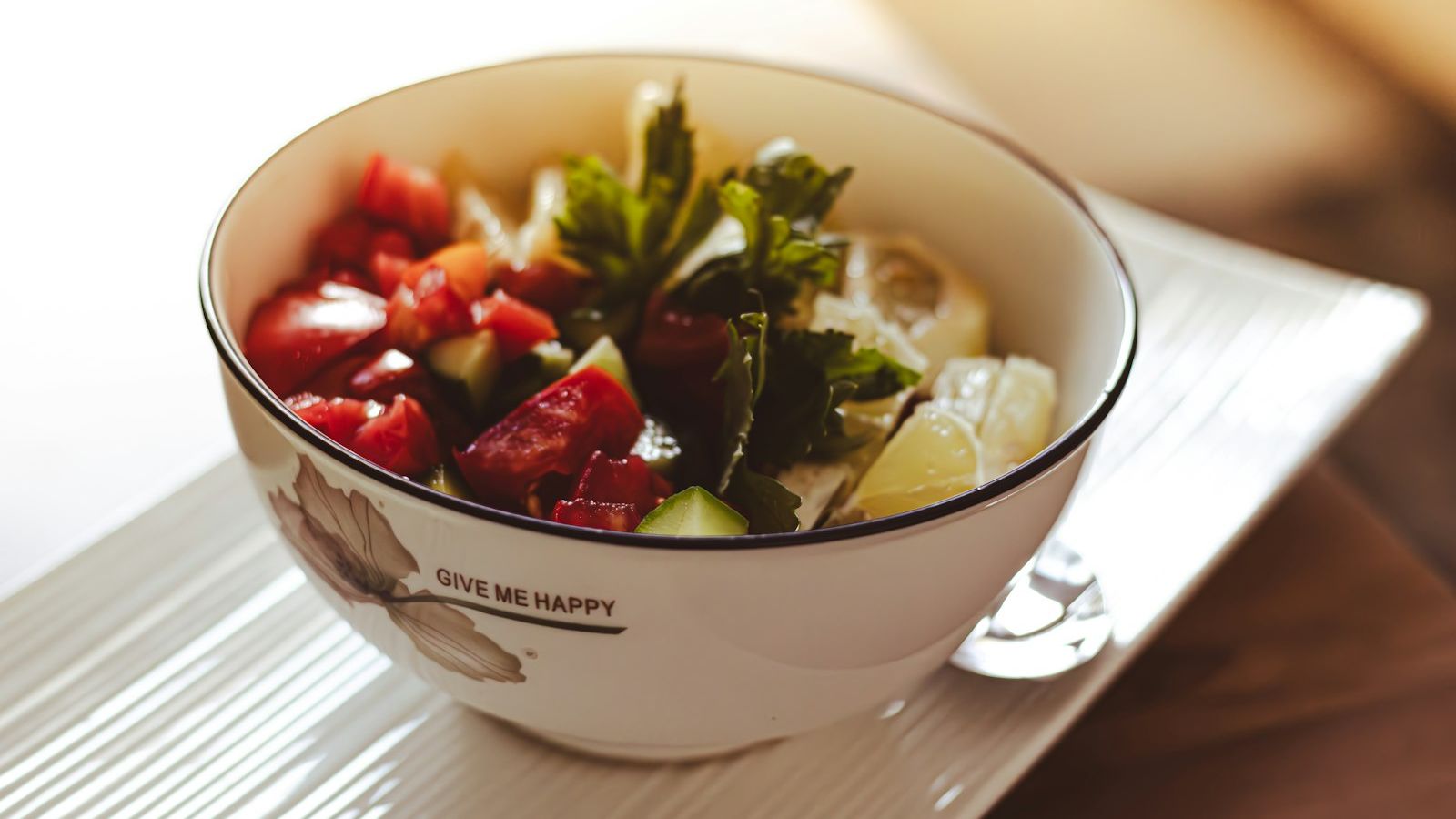
We all have read about the food pyramid in school, where carbohydrates formed the most part of the diet. Recent studies have shown that carbs are not really needed in such quantities. The
HEALTHY EATING PLATE: 8 Foods to Include in Your Meals
“Healthy Eating Plate”
was recently created by nutrition experts at
Harvard School of Public Health
Harvard Health Publications
Get expert advice on nutrition plans and holistic health strategies tailored to your body.
Science-backed clinical nutrition by Dt. Trishala Goswami. Nourish your body, one meal at a time.
Assure Clinic, Andheri West, Mumbai
← Back to Blog Book Consultation
Read next
Frequently asked questions
What is the ideal plate composition for a balanced Indian meal?
Fill half the plate with non-starchy vegetables (salad, sabzi, cooked greens), a quarter with complex carbohydrates (roti, rice, millets), and a quarter with protein (dal, paneer, eggs, chicken, legumes). Add a small fat component (1 tsp ghee, a handful of nuts) and end with a small portion of curd. This provides all macronutrients with appropriate proportions.
How many servings of vegetables should I eat daily?
5 servings daily (approximately 400 g) is the WHO recommendation. In Indian meals, this means at least 2 vegetable-based dishes per day - one cooked sabzi and one raw component (salad, kachumber, or sprouts). Include a variety of colours to ensure diverse phytonutrients.
What proteins should a vegetarian include in every meal?
Rotate between dal (lentils), paneer, curd, sprouts, tofu, chickpeas, rajma, and seeds. Combining a legume with a grain (dal-roti, rajma-rice, chole-puri) provides complete essential amino acids. Vegetarians need to be intentional about protein distribution across all three meals rather than concentrating it in one.
Is eating ghee with every meal healthy?
A small amount of ghee (1 tsp) per meal adds fat-soluble vitamins (A, D, E, K), butyrate for gut health, and improves absorption of fat-soluble phytonutrients from vegetables and spices. It also reduces the glycaemic impact of accompanying carbohydrates. The issue arises with 3-4 teaspoons per meal, not 1.
Should every meal contain fruit?
Fruit is best eaten as a between-meal snack rather than with main meals, where it may cause digestive discomfort for some people. 2-3 servings of whole fruit daily is optimal. Choose low-GI fruits (guava, jamun, papaya, berries) if managing blood sugar, and eat whole fruit rather than juice to retain fibre.
References
- Healthy diet - fact sheet (World Health Organization)
- The Nutrition Source (Harvard T.H. Chan School of Public Health)
- Dietary Guidelines for Indians (ICMR - National Institute of Nutrition)
- Food & Health Tips (Academy of Nutrition and Dietetics)
MSc Clinical Nutritionist · Diabetes Educator · Certified Nutrigenomics Specialist
Dt. Trishala Goswami is a clinical nutritionist and certified diabetes educator who designs personalized, science-backed nutrition programs for clients across India and abroad. She specializes in diabetes, PCOS, gut health, and nutrigenomics.
More about Dt. TrishalaWant a plan built around you?
Articles can’t replace personalised care. Book a 30-min consultation with Dt. Trishala.
Living outside India? See how online consultations work for NRIs & global clients →
Related reads
The Best Anti-Inflammatory Indian Foods, According to a Clinical Nutritionist
Chronic low-grade inflammation quietly drives PCOS, insulin resistance, gut issues, and joint pain. A clinical nutritionist ranks the best anti-inflammatory Indian foods - and the everyday way to eat them for real effect.
The Best Foods for Healthy Skin and Hair: An Indian Dietitian's List
Glowing skin and strong hair are built from the inside out. A clinical nutritionist ranks the best Indian foods for skin and hair - and explains why the protein and iron on your plate matter more than any cream or capsule.
The Best High-Protein Vegetarian Foods in India, Ranked by a Nutritionist
Most Indian vegetarians eat far less protein than they think. A clinical nutritionist ranks the best high-protein vegetarian foods available in India - with grams per serving and a simple plan to reach your daily target.