Home Remedies for Cough and Cold

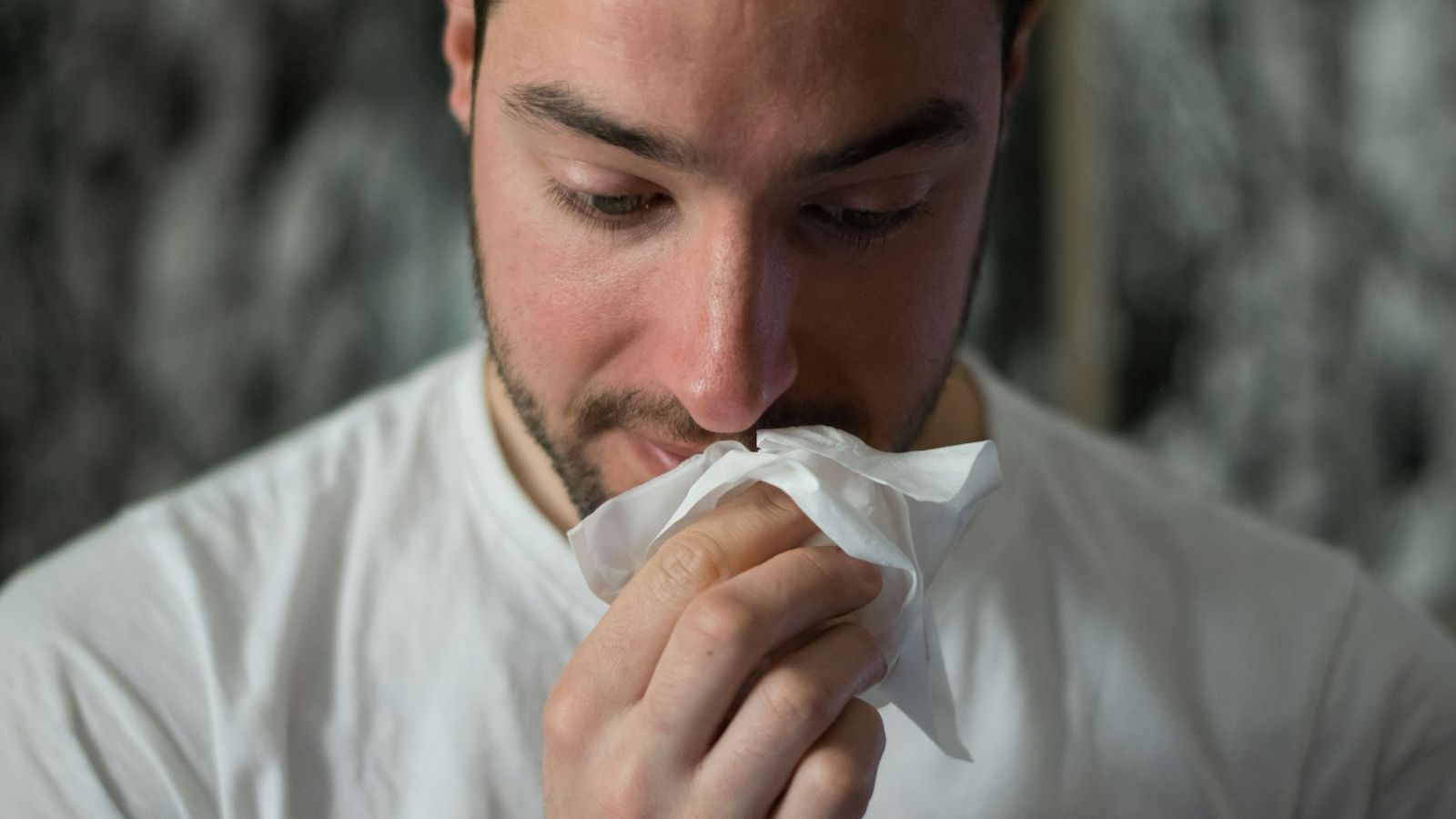
Finally, after a long wait monsoon is here and it’s time to enjoy this amazing climate. With the onset of monsoon, there is a weather change which causes fluctuation in your body temperature.at this time due to alternate
Home Remedies for Cough and Cold
Finally, after a long wait monsoon is here and it’s time to enjoy this amazing climate. With the onset of monsoon, there is a weather change which causes fluctuation in your body temperature.at this time due to alternate heat and cold our immune system also weakens; hence a weak immune system can make us vulnerable to a cold cough and flue. To overcome these immunological challenged conditions, it is best to stick to our age-old grandmother home remedies that actually help in curing disease without taking a heavy toll on our body. 8 best natural remedies for cold, sore throat, and flu: most of the ingredients used are naturally and easily available and do not have any harmful side effects.
Well known for its antibacterial, antifungal, anti-viral and anti- protozoal
properties, it helps to reduce a stubborn cough and cleaning mucus that blocks the upper respiratory tract. The best way to use garlic for treating cold is to crush 4-5 cloves and consume it raw for best results.
One of the key medicines of Ayurveda treatment used for centuries to treat
various kinds of ailments. It helps to treat infections of respiratory tract, persistent cough, and bronchitis by controlling of bacteria, virus, and microbes. Preparing delicious ginger tea and sipping it helps by drying up the mucous and cleaning the nose and also expels phlegm also have a soothing effect on the throat and common cold.
Get expert advice on nutrition plans and holistic health strategies tailored to your body.
Science-backed clinical nutrition by Dt. Trishala Goswami. Nourish your body, one meal at a time.
Assure Clinic, Andheri West, Mumbai
← Back to Blog Book Consultation
Read next
Frequently asked questions
What Indian home remedies actually work for cough and cold?
Ginger-tulsi-honey tea has anti-inflammatory and mild antimicrobial properties supported by research. Turmeric milk (haldi doodh) reduces inflammation and promotes sleep. Steam inhalation relieves nasal congestion. Honey (1 tablespoon) at night has clinical evidence for reducing cough severity, particularly in children.
How does vitamin C help with colds?
Vitamin C does not prevent colds but can reduce their duration by approximately 8-14% in adults when taken regularly (not only at onset). It supports neutrophil function and helps maintain the epithelial barrier in the respiratory tract. Amla, guava, and bell peppers are better sources than commercial supplements.
Should you eat or avoid eating when you have a cold?
Eat light, easily digestible, warm foods - khichdi, moong dal soup, vegetable broth. These provide nutrients for immune function without taxing digestion. Avoid cold foods, raw salads, and dairy if you have excess mucus. The old wisdom of 'feed a cold' has merit - calorie restriction during illness impairs recovery.
Does hot water with honey and lemon help a sore throat?
Yes - this combination is genuinely effective for sore throat. Hot water relieves congestion and provides comfort. Honey coats and soothes the throat mucosa. Lemon provides vitamin C. Studies show honey is as effective as dextromethorphan (OTC cough suppressant) for cough in adults and children.
When should a cough or cold require a doctor's visit?
Seek medical care if: fever exceeds 39°C or lasts more than 5 days, difficulty breathing or wheezing develops, cough produces yellow-green or blood-tinged mucus, cold symptoms worsen after 7-10 days rather than improving, or you have diabetes, asthma, or other conditions that increase complication risk.
References
- Healthy diet - fact sheet (World Health Organization)
- The Nutrition Source (Harvard T.H. Chan School of Public Health)
- Dietary Guidelines for Indians (ICMR - National Institute of Nutrition)
- Food & Health Tips (Academy of Nutrition and Dietetics)
MSc Clinical Nutritionist · Diabetes Educator · Certified Nutrigenomics Specialist
Dt. Trishala Goswami is a clinical nutritionist and certified diabetes educator who designs personalized, science-backed nutrition programs for clients across India and abroad. She specializes in diabetes, PCOS, gut health, and nutrigenomics.
More about Dt. TrishalaWant a plan built around you?
Articles can’t replace personalised care. Book a 30-min consultation with Dt. Trishala.
Living outside India? See how online consultations work for NRIs & global clients →
Related reads
The Best Anti-Inflammatory Indian Foods, According to a Clinical Nutritionist
Chronic low-grade inflammation quietly drives PCOS, insulin resistance, gut issues, and joint pain. A clinical nutritionist ranks the best anti-inflammatory Indian foods - and the everyday way to eat them for real effect.
The Best Foods for Healthy Skin and Hair: An Indian Dietitian's List
Glowing skin and strong hair are built from the inside out. A clinical nutritionist ranks the best Indian foods for skin and hair - and explains why the protein and iron on your plate matter more than any cream or capsule.
The Best High-Protein Vegetarian Foods in India, Ranked by a Nutritionist
Most Indian vegetarians eat far less protein than they think. A clinical nutritionist ranks the best high-protein vegetarian foods available in India - with grams per serving and a simple plan to reach your daily target.