Indian Dietitian in Dubai & UAE: Online Nutrition for NRIs

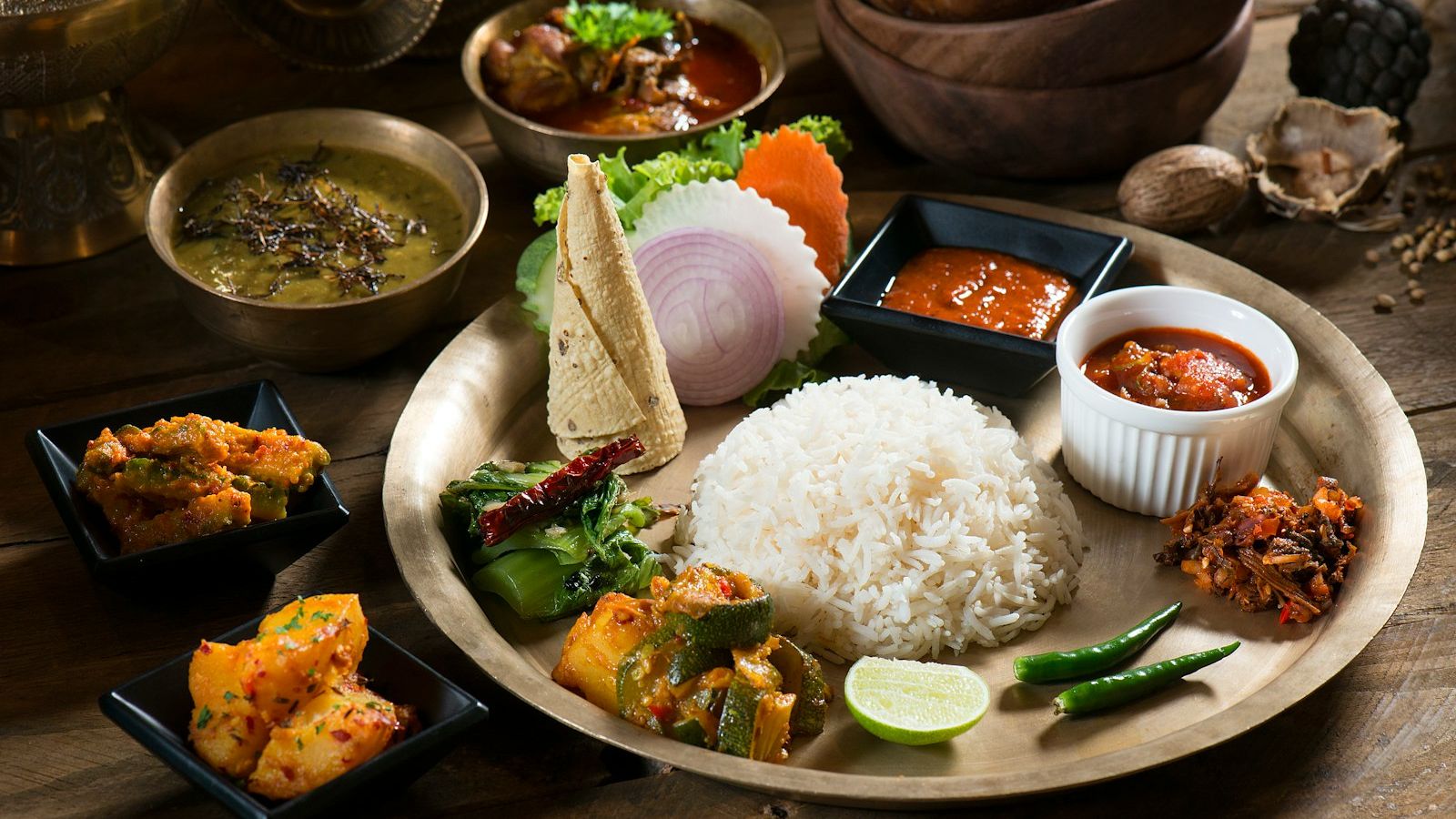
In short: Dt. Trishala Goswami (MSc Clinical Nutritionist, Diabetes Educator, Certified Nutrigenomics Specialist) is an Indian dietitian who consults online with NRIs anywhere in the UAE (Dubai, Abu Dhabi, Sharjah or the northern emirates), through her clinical nutrition practice, Yogyaahar. Consultations are one-to-one by video or phone, in English or Hindi, scheduled for Gulf time, with follow-up on WhatsApp chat or call. Your plan is built on your own lab reports and on Indian home food - roti, dal, sabzi and rice - using groceries from Lulu, Carrefour and Spinneys, and it works with UAE life, including brunches and eating out, for weight loss, diabetes and pre-diabetes, PCOS, hormone health and gut health.
"In the Gulf, my clients have the easiest access to Indian food in the world - that is never the problem. The problem is the brunches, the late dinners, the all-day air-conditioning, and a vitamin D level that is low despite the desert sun. The fix is structure and a protein number, not deprivation." - Dt. Trishala Goswami, MSc Clinical Nutritionist, Certified Nutrigenomics Specialist
If you are Indian and living in the UAE - Dubai, Abu Dhabi, Sharjah, or beyond - Indian food is on every corner, yet diabetes is rampant: the UAE has among the highest diabetes rates in the world, and South Asians develop it at a lower body weight than most. Below is the usable knowledge: the numbers that apply to your body, a real day of eating from UAE stores, how to navigate eating out, and the labs to request.
First, know your real risk (it's not your BMI)
For South Asians, BMI under-reads risk - at the same BMI you carry more body and visceral fat, which is why diabetes appears at a "normal" weight. The thresholds and early-warning labs (HbA1c, fasting insulin / HOMA-IR, vitamin D, B12) are in our cornerstone guide: why Indians get diabetes at a lower weight. This page is about doing it in the Gulf.
One-line version: track your waist, not just your weight (keep it under half your height), and ask for fasting insulin / HOMA-IR, not just fasting glucose.
A real protein-led Indian day, from UAE stores
A normal dal-rice-sabzi plate gives ~8-10 g of protein; you need ~20-30 g per meal. The UAE makes this easy - everything from home is available at Lulu, Carrefour, and Spinneys:
| Meal | Build it like this | Protein |
|---|---|---|
| **Breakfast** | 3-egg masala bhurji or paneer bhurji + 1 small whole-wheat paratha; or moong chilla with a cup of Greek yogurt / laban | ~25-28 g |
| **Lunch** | 1 cup rajma/chana + small portion brown/basmati rice + salad; or grilled chicken/fish tikka with salad and 1 roti | ~30-35 g |
| **Snack** | Greek yogurt or labneh + roasted chana; or hummus with vegetables | ~15-18 g |
| **Dinner** | Tandoori or grilled protein / paneer + a generous vegetable sabzi + 1 roti, eaten earlier rather than late | ~25-30 g |
That is ~95-110 g of protein a day from groceries that are abundant across the Emirates.
The UAE's real issue: eating out and late nights
Availability is not your problem - structure is. A few rules that protect you in the Gulf's social, dining-out culture:
- Order protein-first at restaurants - tandoori, tikka, grilled fish, dal, a paneer dish - then share the biryani and naan rather than making them the meal.
- Cap the liquid calories - karak chai with sugar, fresh juices, mocktails, and soft drinks add up fast across a Gulf week.
- Eat earlier when you can - late 10-11 pm dinners are a major driver of weight and morning blood sugar. An earlier, lighter dinner is one of the highest-impact changes here.
- Move despite the heat - mall walks, indoor gyms, and an after-dinner walk in the cooler months claw back the steps the AC lifestyle removes.
The vitamin D paradox - and the labs to request
It sounds backwards, but vitamin D deficiency is extremely common in the sunny UAE, because daily life is spent indoors - offices, malls, and cars - to escape the heat. Get it tested. When you do bloodwork at any UAE clinic, request: HbA1c, fasting insulin (HOMA-IR), a lipid panel (triglycerides and HDL), vitamin D (25-OH), B12, ferritin, and TSH. HOMA-IR catches insulin resistance years before glucose rises.
Whatever your goal, the approach is specific
- Weight loss - protein-led, strength-first, with structure around eating out.
- PCOS - how to choose an online PCOS dietitian.
- Diabetes / pre-diabetes - especially important in the high-diabetes Gulf; how to choose an online diabetes nutritionist.
- Gut health - the best foods for gut health.
How a consultation works from the UAE
Yogyaahar is the online clinical nutrition practice of Dt. Trishala Goswami (MSc Clinical Nutritionist, Certified Nutrigenomics Specialist, Diabetes Educator). You share your goals and labs, have a one-to-one video or phone consultation scheduled for Gulf time, receive a personalised Indian plan that works with UAE life - including eating out - and get follow-up over chat or call.
This article is general education, not a substitute for personalised medical care. Work with your doctor alongside a qualified clinical nutritionist.
Related reading
- Why Indians get diabetes at a lower weight (the science)
- An Indian nutritionist for NRIs (worldwide)
- Other country guides: USA · UK · Canada · Australia
References
- International Diabetes Federation. Diabetes in the Middle East & UAE. idf.org
- Yajnik, C.S. & Yudkin, J.S. (2004). The Y-Y paradox (thin-fat Indian). The Lancet.
- National Institutes of Health, Office of Dietary Supplements. Vitamin D. ods.od.nih.gov
- Indian Council of Medical Research - National Institute of Nutrition (ICMR-NIN). Dietary Guidelines for Indians.
Frequently asked questions
Why is diabetes so common among Indians in the UAE?
South Asians develop type 2 diabetes at lower body weights (the thin-fat phenotype), and the UAE has among the world's highest diabetes rates. Add a culture of eating out, late dinners, sugary karak chai, and indoor sedentary days, and risk climbs. Full science in [why Indians get diabetes at a lower weight](/blog/why-indians-get-diabetes-at-lower-weight).
How do I eat healthy at restaurants in Dubai?
Order protein-first - tandoori, tikka, grilled fish, dal, paneer - and treat biryani and naan as shared sides, not the main event. Cap sugary drinks and mocktails, and try to eat earlier rather than at 11 pm. Structure, not avoidance, is the key in the Gulf.
Why am I vitamin D deficient in the sunny UAE?
Because most Gulf life happens indoors - offices, malls, cars - to escape the heat, so real sun exposure is low. Vitamin D deficiency is very common here despite the climate. Get tested and supplement under medical guidance.
Will the diet plan use Indian food I can buy in the UAE?
Easily - the UAE has some of the best access to Indian groceries anywhere. The plan uses dal, paneer, eggs, grilled meats, Greek yogurt/laban, and vegetables from Lulu, Carrefour, and Spinneys, with the focus on protein and structure.
MSc Clinical Nutritionist · Diabetes Educator · Certified Nutrigenomics Specialist
Dt. Trishala Goswami is a clinical nutritionist and certified diabetes educator who designs personalized, science-backed nutrition programs for clients across India and abroad. She specializes in diabetes, PCOS, gut health, and nutrigenomics.
More about Dt. TrishalaWant a personalised Weight Loss plan?
Articles can’t replace personalised care. Book a 30-min consultation with Dt. Trishala.
Living outside India? See how online consultations work for NRIs & global clients →
Related reads
Mounjaro Diet Plan: 7-Day Indian Meal Plan (What to Eat on Tirzepatide)
What to eat on Mounjaro (tirzepatide) if you cook Indian food in the UK, US, Canada, Australia, the UAE or Singapore. A 7-day vegetarian, egg and non-veg meal plan built around your weekly injection, how to eat when your prescriber steps up the dose, Indian food fixes for nausea,
Calories and Protein in Indian Foods: Roti, Rice, Dal, Idli, Poha and More
One roti, one bowl of rice, one katori of dal: a clinical nutritionist's table of calories and protein for 50+ everyday Indian foods, per piece and per bowl, with the portion sizes spelled out so the numbers mean something.
Coming Off Ozempic or Mounjaro Without Regaining: An Indian Diet Plan
Studies show most people regain much of the weight after stopping a GLP-1. A Certified Diabetes Educator explains why - and how to hold your results with an Indian diet, the right protein, and habits that outlast the medication.