Protein Power: The Essential Nutrient for Muscle Growth and Repair

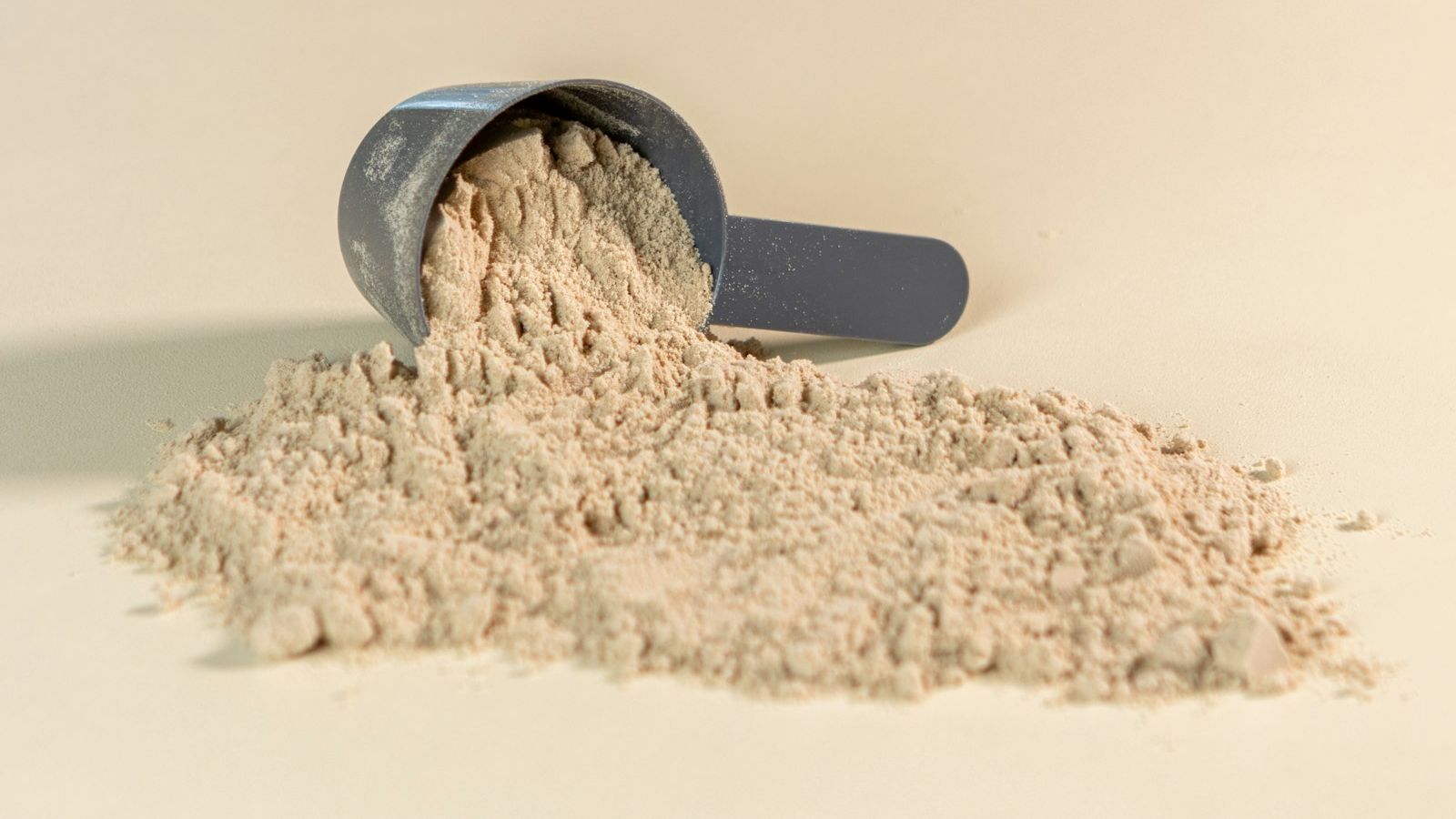
: Protein is an essential macronutrient that plays a vital role in maintaining, repairing, and building body tissues, as well as supporting immune function and hormone production. This blog will explore the importance of
Protein Power: The Essential Nutrient for Muscle Growth and Repair
: Protein is an essential macronutrient that plays a vital role in maintaining, repairing, and building body tissues, as well as supporting immune function and hormone production. This blog will explore the importance of protein, the difference between essential and non-essential amino acids, recommended daily intake, and various sources of protein from both animal and plant-based foods.
The Importance of Protein:
Protein is a key component of our body's cells, tissues, and organs, serving as the building blocks for muscles, bones, skin, and hair. Besides its structural role, protein is also involved in energy metabolism and can be used as a fuel source when carbohydrate stores are depleted. Additionally, protein contributes to weight management and satiety by helping you feel full and satisfied after meals.
: Essential vs. Non-Essential Amino acids are the building blocks of proteins. There are 20 different amino acids, nine of which are considered essential because our bodies cannot produce them and must obtain them through food. Non-essential amino acids, on the other hand, can be produced by the body from other amino acids. Proteins that contain all nine essential amino acids are considered complete proteins, while those lacking one or more essential amino acids are incomplete proteins.
Recommended Daily Intake of Protein:
Get expert advice on nutrition plans and holistic health strategies tailored to your body.
Science-backed clinical nutrition by Dt. Trishala Goswami. Nourish your body, one meal at a time.
Assure Clinic, Andheri West, Mumbai
← Back to Blog Book Consultation
Read next
Frequently asked questions
How much protein do I need daily for muscle growth?
For muscle building, 1.6-2.2 g of protein per kg of body weight per day is the evidence-based recommendation. Distribute this across 3-4 meals (20-40 g per meal) to maximise muscle protein synthesis. Protein timing matters - consuming 20-40 g within 1-2 hours post-training significantly enhances muscle repair and growth.
What are the best vegetarian protein sources for muscle building in India?
Paneer (18 g per 100 g), tofu (8 g per 100 g), Greek yoghurt (10 g per 100 g), whole urad or masoor dal (24 g per 100 g dry), rajma (22 g dry), sprouted legumes, pumpkin seeds (19 g per 100 g), and hemp seeds (31 g per 100 g) are among the best Indian vegetarian protein sources.
Is whey protein necessary for building muscle or can diet alone suffice?
Diet alone can meet protein requirements for most people - it requires planning but not supplements. Whey protein is a convenient, fast-digesting complete protein useful post-training or when dietary protein is insufficient. It is particularly helpful for vegetarians struggling to hit 1.6+ g/kg. Choose a supplement only if dietary gaps exist.
Can consuming too much protein be harmful?
For healthy individuals with normal kidney function, intakes up to 2.5 g/kg are generally safe. Concerns about kidney damage apply mainly to people with pre-existing kidney disease, for whom protein should be moderated under medical supervision. Ensure adequate hydration (protein increases nitrogen load requiring more water to excrete).
How does protein intake affect fat loss?
High-protein diets preserve muscle during a calorie deficit (preventing metabolic slowdown), increase satiety hormones (GLP-1, peptide YY), suppress ghrelin (hunger hormone), and have a high thermic effect - burning 20-30% of protein's calories in digestion. This makes protein the most important macronutrient for successful fat loss.
References
- Healthy diet - fact sheet (World Health Organization)
- The Nutrition Source (Harvard T.H. Chan School of Public Health)
- Dietary Guidelines for Indians (ICMR - National Institute of Nutrition)
- Food & Health Tips (Academy of Nutrition and Dietetics)
MSc Clinical Nutritionist · Diabetes Educator · Certified Nutrigenomics Specialist
Dt. Trishala Goswami is a clinical nutritionist and certified diabetes educator who designs personalized, science-backed nutrition programs for clients across India and abroad. She specializes in diabetes, PCOS, gut health, and nutrigenomics.
More about Dt. TrishalaWant a plan built around you?
Articles can’t replace personalised care. Book a 30-min consultation with Dt. Trishala.
Living outside India? See how online consultations work for NRIs & global clients →
Related reads
The Best Anti-Inflammatory Indian Foods, According to a Clinical Nutritionist
Chronic low-grade inflammation quietly drives PCOS, insulin resistance, gut issues, and joint pain. A clinical nutritionist ranks the best anti-inflammatory Indian foods - and the everyday way to eat them for real effect.
The Best Foods for Healthy Skin and Hair: An Indian Dietitian's List
Glowing skin and strong hair are built from the inside out. A clinical nutritionist ranks the best Indian foods for skin and hair - and explains why the protein and iron on your plate matter more than any cream or capsule.
The Best High-Protein Vegetarian Foods in India, Ranked by a Nutritionist
Most Indian vegetarians eat far less protein than they think. A clinical nutritionist ranks the best high-protein vegetarian foods available in India - with grams per serving and a simple plan to reach your daily target.