Besan Cheela for Diabetes: Recipe + Why It Works

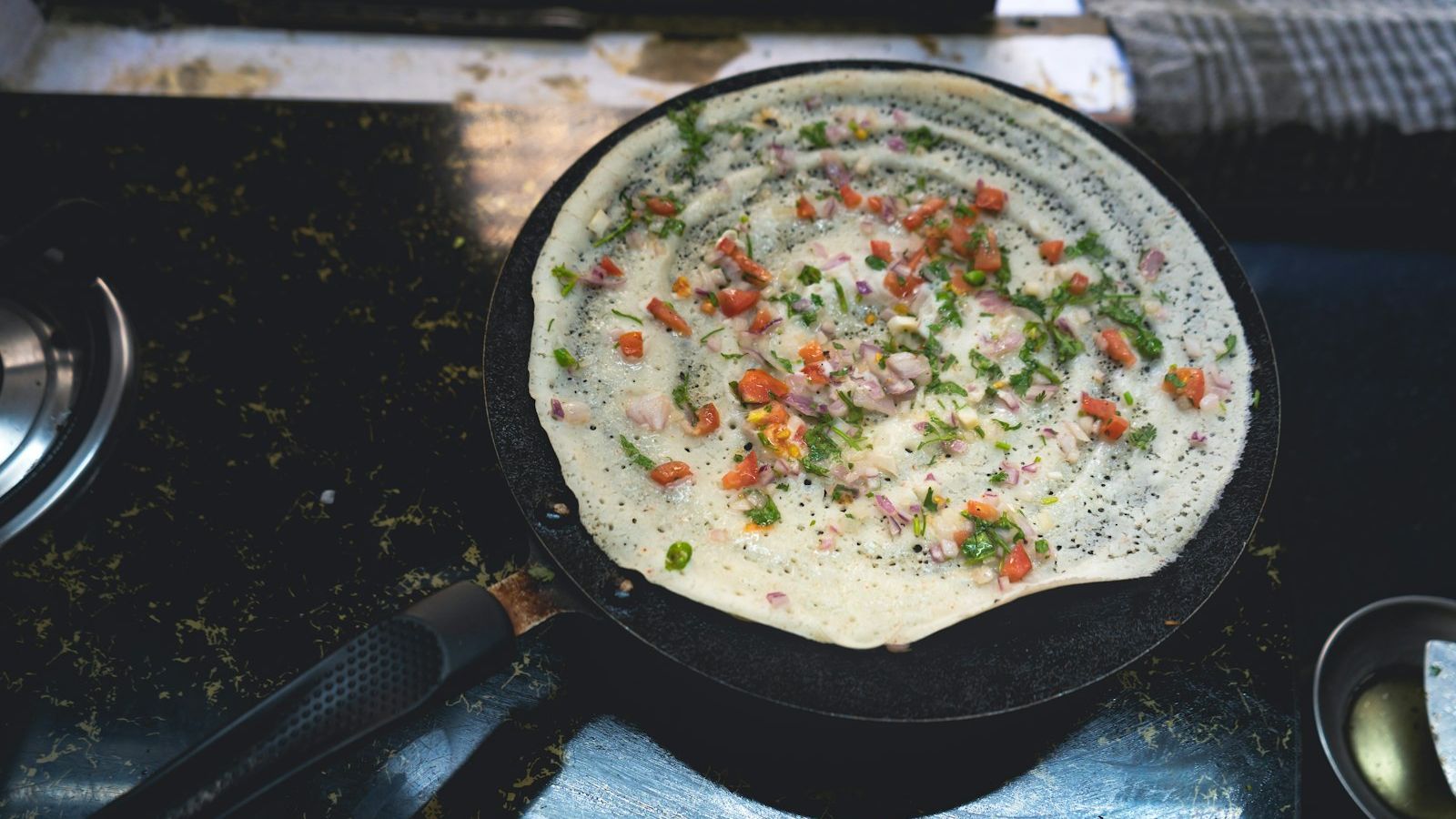
"Besan is one of my favourite flours for diabetes. Swap a wheat paratha for a vegetable besan cheela and you roughly double the protein and halve the blood-sugar impact - same effort, same five minutes." - Dt. Trishala Goswami, MSc Clinical Nutritionist, Certified Diabetes Educator
Besan cheela (a savoury chickpea-flour pancake) is one of the easiest diabetic-friendly breakfasts to master. Chickpea flour is high in protein and fibre and has a notably lower glycaemic impact than wheat or rice flour, so it keeps your post-breakfast blood sugar far steadier. Here's the full recipe with quantities and nutrition.
Why besan cheela is good for diabetes
- High protein and fibre. Besan delivers far more protein and fibre per serving than wheat or rice flour - the two nutrients that slow glucose release.
- Lower glycaemic impact. Chickpea flour produces a gentler blood-sugar rise than refined atta or maida.
- Vegetable-loaded. Folding in onion, tomato, capsicum and spinach adds fibre and lowers the glycaemic load further.
It's built on the same protein-first principle as every breakfast in our best Indian breakfasts for diabetics guide.
Ingredients (2 servings / 2 cheela)
- 1 cup besan (chickpea flour)
- 1 cup chopped vegetables (onion, tomato, capsicum, spinach)
- 1 green chilli, finely chopped
- 1/2 tsp ajwain (carom seeds)
- 1/4 tsp turmeric
- Salt to taste
- Water, to make a pourable batter
- 1 tsp oil, for cooking
Method
- Make the batter. Whisk the besan with water, salt, turmeric and ajwain into a smooth, lump-free, pourable batter.
- Add the vegetables. Mix in the chopped vegetables and green chilli.
- Cook. Pour a ladle onto a hot non-stick tawa and spread into a thin circle. Drizzle a little oil around the edges.
- Flip. Cook until the underside is golden and set, then flip and cook the other side.
- Serve. Eat hot with a bowl of curd or mint-coriander chutney (skip sweet chutneys).
Nutrition (per serving, approximate)
| Per serving | |
|---|---|
| Calories | ~190 kcal |
| Protein | ~12 g |
| Carbohydrate | ~24 g |
| Fibre | ~6 g |
| Fat | ~5 g |
A diabetes educator's tips
- Add a boiled egg or paneer cubes on the side to push protein past 20 g - the more protein, the flatter the spike.
- Keep the ajwain. It aids digestion and is traditional with besan, which some find heavy.
- Pair with curd, not pickle-heavy sides, for protein and a gentler glucose curve.
- Walk for 10 minutes after - see walking after meals and blood sugar.
Variations
- Besan + moong: mix half besan with ground moong dal batter for extra protein.
- Add grated vegetables (carrot, bottle gourd) for more fibre with no extra carbs that matter.
For six more, see our guide to the best Indian breakfasts for diabetics.
This recipe is general nutrition guidance, not a substitute for your doctor's advice. If you are on diabetes medication, especially insulin, talk to your clinician before changing your meal pattern.
Related reading
References
- American Diabetes Association. Standards of Care in Diabetes - nutrition therapy. diabetes.org
- Indian Council of Medical Research - National Institute of Nutrition (ICMR-NIN). Nutritive Value of Indian Foods.
Frequently asked questions
Is besan good for diabetes?
Yes - besan (chickpea flour) is one of the best flours for diabetes. It has a notably lower glycaemic impact than wheat or rice flour because it is high in protein and fibre, so it raises blood sugar more slowly. Used for a vegetable cheela, dhokla, or chilla - and kept savoury, not sweet - besan is a genuinely diabetes-friendly choice. The key is the preparation: a steamed or tawa-cooked besan dish with vegetables is far better than a deep-fried pakora.
Is besan cheela good for diabetics?
Yes - it is one of the better Indian breakfast choices for diabetes. Besan (chickpea flour) is high in protein and fibre and has a lower glycaemic impact than wheat or rice flour, so a vegetable besan cheela keeps blood sugar much steadier than a paratha or white-bread breakfast.
How much protein is in a besan cheela?
A serving of two vegetable besan cheela provides roughly 12 grams of protein. Adding a boiled egg or paneer on the side pushes it past 20 grams, which is ideal for blunting the post-breakfast blood sugar rise.
Is besan better than wheat flour for blood sugar?
Generally yes. Besan has more protein and fibre and a lower glycaemic impact than wheat or refined flour, so it produces a gentler blood-sugar response. It's a smart swap for diabetics in cheela, dhokla, and similar dishes.
MSc Clinical Nutritionist · Diabetes Educator · Certified Nutrigenomics Specialist
Dt. Trishala Goswami is a clinical nutritionist and certified diabetes educator who designs personalized, science-backed nutrition programs for clients across India and abroad. She specializes in diabetes, PCOS, gut health, and nutrigenomics.
More about Dt. TrishalaWant a personalised Diabetes plan?
Articles can’t replace personalised care. Book a 30-min consultation with Dt. Trishala.
Living outside India? See how online consultations work for NRIs & global clients →
Related reads
Diabetes and Kidney Disease: An Indian Diet Guide for Both
Diabetes is the leading cause of kidney disease, yet the two diets contradict each other on rice, dal, millets and protein. A clinical nutritionist explains how to manage both on an Indian plate - and why the renal rules usually win.
Diabetes Diet for Elderly Indians: Softer Food, Weaker Appetite, More Medicines
Diabetes advice written for a 45-year-old can be actively harmful at 75. A Certified Diabetes Educator explains what changes with age - relaxed targets, higher protein needs, softer textures, and why tight control becomes the wrong goal.
Eating With More Than One Condition: An Indian Guide
Most diet advice assumes you have one condition. Real people have two or three, and the advice contradicts itself. A clinical nutritionist explains the five rules for resolving those conflicts - and applies them to the combinations Indians face most.