Ragi Dosa for PCOS: Recipe + Why Millet Helps

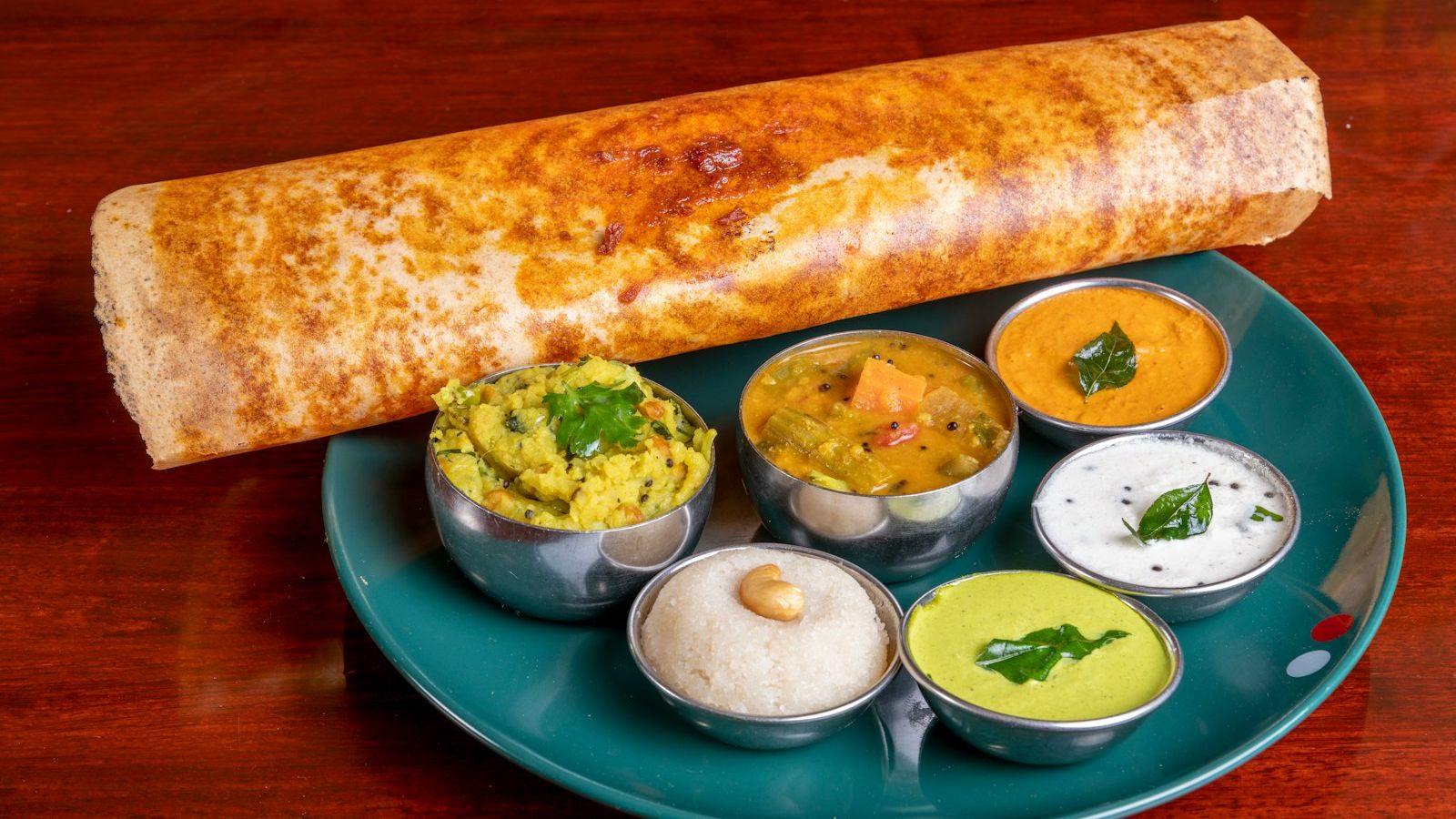
"Swapping a rice dosa for a ragi dosa is one of the easiest PCOS upgrades there is. You keep a food you love, but the millet gives you more fibre, more minerals, and a gentler effect on the insulin that drives PCOS." - Dt. Trishala Goswami, MSc Clinical Nutritionist, Certified Nutrigenomics Specialist
Because PCOS is largely driven by insulin resistance, lower-glycaemic carbs are a real advantage - and ragi (finger millet) is one of the best. It is higher in fibre and calcium than rice and produces a gentler glucose response. Here's a quick, no-ferment ragi dosa.
Why ragi dosa is good for PCOS
- Lower glycaemic than rice. Finger millet releases glucose more slowly, helping keep the insulin that drives PCOS steadier.
- High in fibre and minerals. Ragi is rich in fibre, calcium and iron - useful for women managing PCOS.
- No long fermentation. This instant version uses curd, so you can make it fresh without an overnight batter.
Ingredients (2 servings / 2-3 dosa)
- 1 cup ragi (finger millet) flour
- 1/4 cup curd
- 1/2 onion, finely chopped
- 1 green chilli, chopped
- 1/2 tsp cumin seeds
- Coriander, chopped
- Salt to taste
- Water, for a thin batter
- 1 tsp oil, for cooking
Method
- Mix the batter. Combine the ragi flour, curd, salt, cumin, chopped onion, chilli and coriander with water into a thin, pourable batter. Rest 10 minutes.
- Pour, don't spread. Pour the batter onto a hot tawa in a thin layer - it is a pour-and-spread, not a spread-with-ladle dosa.
- Cook. Drizzle a little oil and cook until the edges lift.
- Flip. Flip briefly to cook the other side. Serve with chutney or sambar.
Nutrition (per serving, approximate)
| Per serving | |
|---|---|
| Calories | ~170 kcal |
| Protein | ~5 g |
| Carbohydrate | ~30 g |
| Fibre | ~4 g |
| Fat | ~3 g |
A nutritionist's tips for PCOS
- Add a protein side - this is the key PCOS tip. Ragi is carb-forward, so pair the dosa with sambar (dal protein), a bowl of curd, or an egg to steady insulin.
- Keep portions sensible - two to three thin dosa, not a stack.
- Sambar over coconut chutney if you want to keep fat moderate; both are fine in moderation.
- A short walk after improves the glucose response further.
Variations
- Ragi + moong dal dosa: add a little ground moong for more protein.
- Add grated carrot or spinach to the batter for extra fibre.
For a structured plan, see what to eat for PCOS and the best foods for PCOS. For more on millets, see ragi, jowar and bajra.
This recipe is general nutrition guidance, not a substitute for personalised medical care. PCOS should be managed alongside your doctor.
Related reading
References
- Monash University. International Evidence-Based Guideline for the Assessment and Management of PCOS. monash.edu
- Indian Council of Medical Research - National Institute of Nutrition (ICMR-NIN). Nutritive Value of Indian Foods.
Frequently asked questions
Is ragi good for PCOS?
Yes. Ragi (finger millet) has a lower glycaemic response than rice and is high in fibre, calcium and iron, so it helps keep blood sugar and insulin steadier - the main lever in PCOS. Pair it with a protein source for the best effect.
Is ragi dosa better than rice dosa for PCOS?
Generally yes. Ragi is higher in fibre and produces a gentler glucose response than refined rice batter, which suits insulin-resistant PCOS better. Always pair either with a protein side like sambar, curd, or egg.
Does ragi raise blood sugar?
Ragi contains carbohydrate, so it does raise blood sugar - but more slowly than rice because of its fibre. Eaten in sensible portions with a protein side, ragi dosa is a good lower-GI choice for PCOS and diabetes.
MSc Clinical Nutritionist · Diabetes Educator · Certified Nutrigenomics Specialist
Dt. Trishala Goswami is a clinical nutritionist and certified diabetes educator who designs personalized, science-backed nutrition programs for clients across India and abroad. She specializes in diabetes, PCOS, gut health, and nutrigenomics.
More about Dt. TrishalaWant a personalised PCOS plan?
Articles can’t replace personalised care. Book a 30-min consultation with Dt. Trishala.
Living outside India? See how online consultations work for NRIs & global clients →
Related reads
PCOS and Hypothyroidism Together: An Indian Diet Guide
PCOS and hypothyroidism overlap so closely in symptoms that one often hides the other - and their diet advice genuinely conflicts on soy, cruciferous vegetables and iodine. A clinical nutritionist explains how to manage both on an Indian plate.
PCOS and Type 2 Diabetes Together: An Indian Diet Guide
PCOS and type 2 diabetes share one root cause, so most of the diet advice overlaps - but the goals, the medications and the timelines differ in ways that matter. A clinical nutritionist and nutrigenomics specialist explains how to build one plan for both.
Is Curd (Dahi) Good for PCOS? (An Indian Dietitian Explains)
Plain dahi is one of the quietly useful foods for PCOS - protein, probiotics, and a low glycemic load that supports insulin and gut health. A clinical nutritionist explains how to use it, and the one type to avoid.