Sara Ali Khan and PCOS: A Clinical Nutritionist's Honest Take
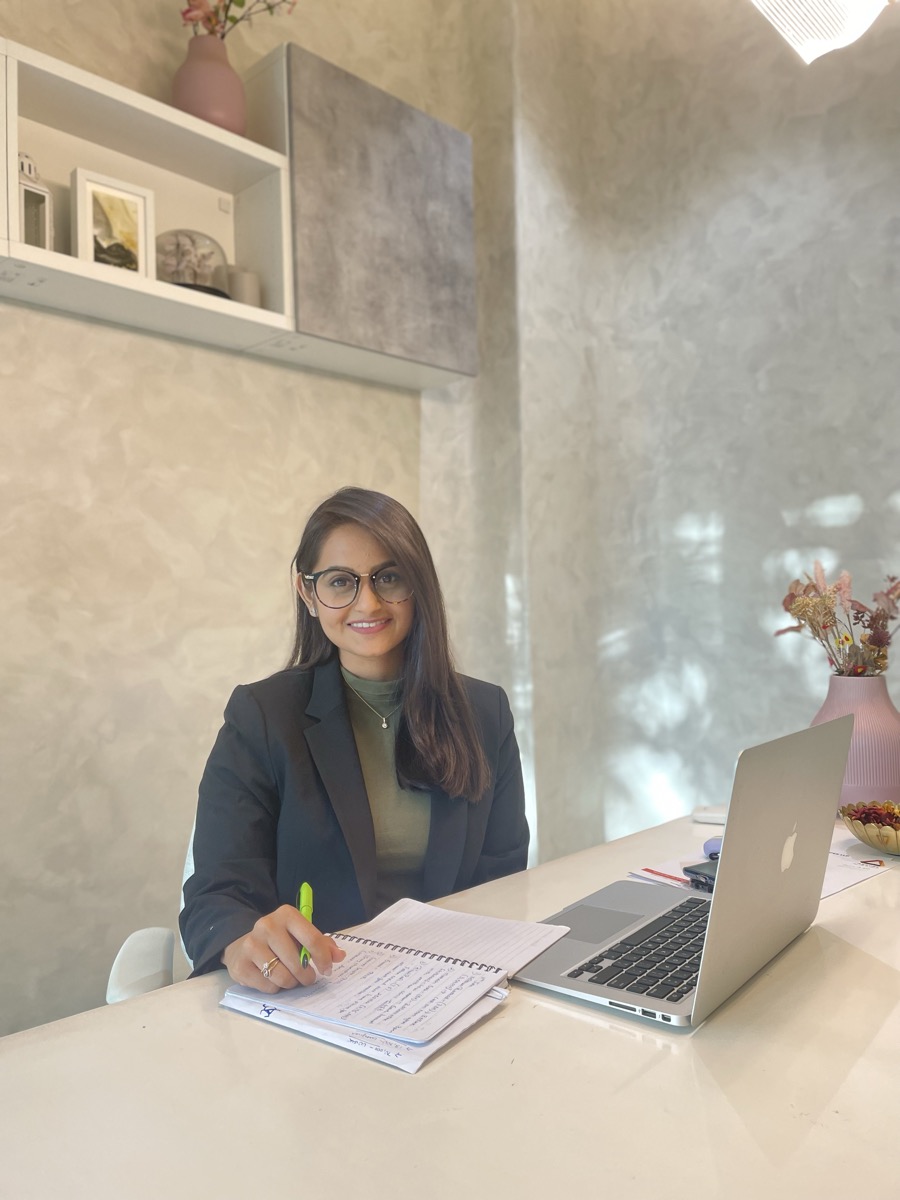

"What I find most useful about Sara Ali Khan's story is not the number on the scale. It is the principle she kept repeating - that medication alone does not fix PCOS without lifestyle change. That is exactly what I tell every woman who walks into my clinic worried that her body has betrayed her. PCOS is manageable, and food is the lever." - Dt. Trishala Goswami, MSc Clinical Nutritionist, Certified Nutrigenomics Specialist
When Sara Ali Khan spoke openly about living with PCOS during her college years, she did something genuinely useful for millions of Indian women: she made a hidden, stigmatised condition visible. PCOS (polycystic ovary syndrome, often called PCOD in India) affects a large share of Indian women of reproductive age, and most of them suffer quietly, convinced that stubborn weight gain and irregular periods are personal failures rather than a hormonal condition.
This article is not gossip about a celebrity's private diet. It is a clinical nutritionist using a well-known public story to explain what actually works for PCOS - and what to be careful about.
What Sara Ali Khan has shared publicly about PCOS
Based on her own widely reported interviews, a few things are clear:
- She was diagnosed with PCOS as a student, and her weight rose significantly during that period.
- She brought it down over time through consistent lifestyle change, not crash dieting.
- She has emphasised that managing PCOS naturally mattered to her, and that medication alone would not have worked without changes to food and movement.
Those three points are the entire blueprint, and they happen to match what the evidence says. The rest of this guide is the clinical version of that blueprint, built around Indian food.
Why PCOS makes weight so stubborn
Here is the part most coverage skips. PCOS is not simply about ovaries. At its core, it is usually driven by insulin resistance - your cells stop responding well to insulin, so your body pumps out more of it. High insulin tells the body to store fat (especially around the belly), worsens cravings, and pushes the ovaries to make more androgens, which drives irregular periods, acne, and hair changes.
This is why the same plate that helps with blood sugar helps with PCOS. If you understand the insulin connection, the whole condition starts to make sense. We cover this in depth in PCOS and insulin resistance, the hidden connection.
The practical takeaway: managing PCOS is largely about keeping insulin steady. That is a food-and-movement problem, which is very good news, because it means you have real control.
The principles behind managing PCOS with food
These are the levers that consistently help, and they line up with the kind of lifestyle approach Sara Ali Khan has described.
1. Protein at every meal. Dal, dahi, paneer, eggs, sprouts, chana. Protein steadies blood sugar, reduces cravings, and protects muscle (which improves insulin sensitivity). Most Indian PCOS plates are heavy on carbs and light on protein - flipping that ratio is the single biggest change.
2. Lower-glycemic carbs, in portion. You do not have to give up rice or roti. Choose less refined versions, keep portions sensible, and never eat carbs naked. See our guide to the best foods for PCOS.
3. Fibre first. Vegetables and salad before your starch slow the glucose rise and feed a healthier gut, which also influences hormones.
4. Strength training plus movement. Building muscle is one of the most powerful things a woman with PCOS can do for insulin sensitivity. A short walk after meals helps too.
5. Sleep and stress. Poor sleep and chronic stress raise cortisol, which worsens insulin resistance and cravings. This is not optional self-care for PCOS - it is treatment.
6. Intermittent fasting, only if it suits you. Sara Ali Khan has mentioned a fasting routine, and a gentle eating window can help some women with PCOS improve insulin sensitivity. But it is not for everyone, and it should never become an excuse to undereat. For most Indian women, simply not snacking late at night captures most of the benefit. Our take on this tradition is in intermittent fasting for Indian women.
For a structured eating plan built on these principles, the insulin resistance 7-day Indian meal plan is a practical starting point.
A realistic PCOS-friendly Indian day
| Meal | Build it like this |
|---|---|
| Breakfast | Protein-led: moong chilla, besan cheela, eggs, or paneer bhurji with vegetables. Avoid sugary cereal, plain toast, or juice. |
| Lunch | A balanced thali: 1-2 rotis or a portion of rice, a generous dal or paneer or chicken, lots of sabzi, a bowl of dahi or salad first. |
| Snack | Roasted chana, a handful of nuts, or fruit with curd. Not biscuits or namkeen. |
| Dinner | Lighter and earlier: vegetable-and-protein heavy, lower starch. A short walk after. |
This is not a special "PCOS diet". It is normal Indian food, rebalanced toward protein and fibre and away from refined carbs and sugar.
What celebrity-transformation stories get wrong
This is the part you must hear, and it is exactly why a clinical nutritionist should be the one telling this story.
Do not chase a number. A dramatic kilo count makes a great headline, but your body, your starting point, your hormones, and your life are your own. The goal in PCOS is not a celebrity's dress size. It is steadier insulin, regular cycles, better energy, and a weight your body can hold without misery. For many women, even a modest 5 to 10 percent weight loss meaningfully improves PCOS symptoms.
Sustainable beats extreme, every time. The reason Sara Ali Khan's story is worth telling is that she has framed it around consistency and lifestyle, not a punishing crash. Crash diets reliably backfire in PCOS - they spike stress hormones and the weight returns. If you cannot picture doing it for years, it is the wrong plan.
It is individual. PCOS has different drivers in different women - some have strong insulin resistance, some have more inflammation, some have thyroid overlap. A plan that worked for one person, celebrity or not, is a starting hypothesis, not a prescription.
This article is general education, not a substitute for personalised medical care. PCOS should be managed with your doctor and a qualified dietitian, especially if you are trying to conceive or are on medication.
Related reading
Disclaimer
This article references publicly reported statements and is provided for general educational purposes only. Yogyaahar and Dt. Trishala Goswami are not affiliated with, authorised by, or endorsed by any public figure mentioned, and nothing here implies a professional relationship or endorsement. It is general information, not personal medical advice. Please consult a qualified clinician for your own care.
Frequently asked questions
Did Sara Ali Khan really have PCOS?
Yes. Sara Ali Khan has spoken publicly, including on television, about being diagnosed with PCOS during her college years and about the weight gain that came with it. She has credited consistent lifestyle change, rather than medication alone, for managing it.
Can you lose weight with PCOS naturally, without medication?
Many women improve their PCOS symptoms and lose weight through food, movement, sleep, and stress management alone, because the condition is largely driven by insulin resistance, which responds strongly to lifestyle. Some women also need medication, and that decision belongs with your doctor. Lifestyle and medication are partners, not rivals.
What is the best diet for PCOS in India?
A protein-rich, lower-glycemic version of your normal Indian food: protein at every meal, vegetables before starch, portioned rice and roti, minimal sugar and refined flour, and no skipping meals into late-night binges. See our [best foods for PCOS](/blog/best-foods-for-pcos-indian) guide for specifics.
Is intermittent fasting good for PCOS?
It can help some women with PCOS improve insulin sensitivity, and a few public figures have used it. But it is not essential and not suitable for everyone, particularly women who are underweight, highly stressed, or trying to conceive. For most people, simply finishing dinner earlier and not snacking at night delivers much of the benefit.
How long does it take to see results with PCOS?
Cycles and energy often respond within a few months of consistent change, and weight follows gradually. PCOS management is a long game of steady habits, not a quick transformation. The women who succeed are the ones who pick changes they can keep. **Want a PCOS plan built around your body and your kitchen?** Explore our [PCOS program](/services/pcos) with Dt. Trishala Goswami, or read [how to choose an online PCOS dietitian](/blog/online-pcos-dietitian-india-nri).
MSc Clinical Nutritionist · Diabetes Educator · Certified Nutrigenomics Specialist
Dt. Trishala Goswami is a clinical nutritionist and certified diabetes educator who designs personalized, science-backed nutrition programs for clients across India and abroad. She specializes in diabetes, PCOS, gut health, and nutrigenomics.
More about Dt. TrishalaWant a personalised PCOS plan?
Articles can’t replace personalised care. Book a 30-min consultation with Dt. Trishala.
Living outside India? See how online consultations work for NRIs & global clients →
Related reads
PCOS and Hypothyroidism Together: An Indian Diet Guide
PCOS and hypothyroidism overlap so closely in symptoms that one often hides the other - and their diet advice genuinely conflicts on soy, cruciferous vegetables and iodine. A clinical nutritionist explains how to manage both on an Indian plate.
PCOS and Type 2 Diabetes Together: An Indian Diet Guide
PCOS and type 2 diabetes share one root cause, so most of the diet advice overlaps - but the goals, the medications and the timelines differ in ways that matter. A clinical nutritionist and nutrigenomics specialist explains how to build one plan for both.
Is Curd (Dahi) Good for PCOS? (An Indian Dietitian Explains)
Plain dahi is one of the quietly useful foods for PCOS - protein, probiotics, and a low glycemic load that supports insulin and gut health. A clinical nutritionist explains how to use it, and the one type to avoid.