The Best Indian Breakfasts for Diabetics, According to a Diabetes Educator

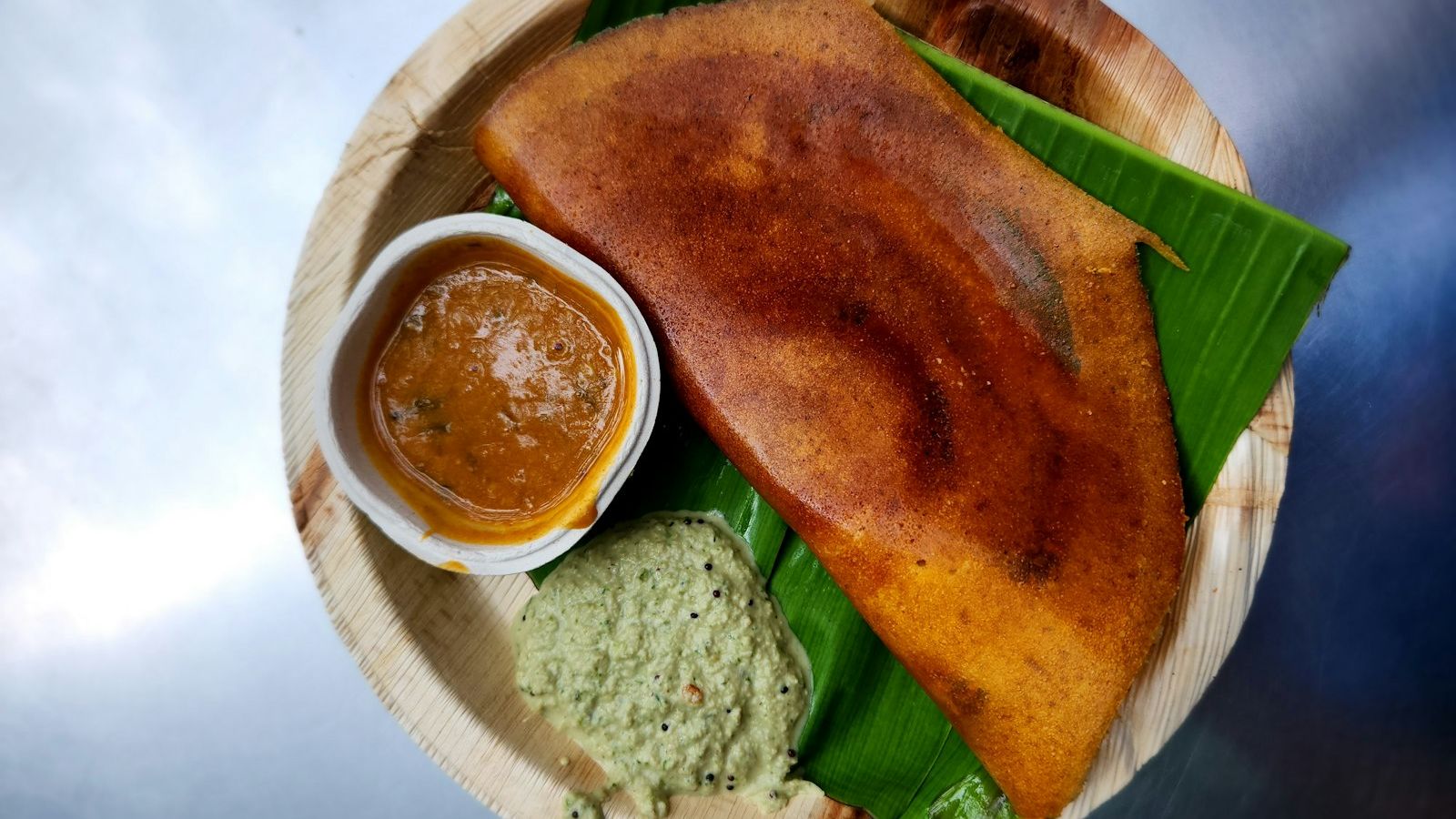
"For someone managing diabetes, breakfast is not optional and it is not casual. The morning meal sets insulin tone for the entire day. I have seen clients reduce their 2-hour post-breakfast glucose by 40-60 mg/dL simply by changing what they eat first - without touching lunch or dinner." - Dt. Trishala Goswami, MSc Clinical Nutritionist, Certified Diabetes Educator
A client - let us call him Suresh - was meticulous about his lunch and dinner but treated breakfast as an afterthought: two biscuits with three cups of chai (two teaspoons of sugar each). His fasting blood sugar was 98 mg/dL - excellent - but his 2-hour post-breakfast reading was consistently 185-210 mg/dL. By the time we addressed the biscuit-and-chai pattern, his post-breakfast readings fell to 130-145 mg/dL within three weeks. His HbA1c dropped 0.7% in the next quarter without any other change.
The morning meal is the most underestimated lever in diabetes management.
Why Breakfast Matters More in Diabetes
Two physiological phenomena make breakfast especially important for blood sugar management:
The Dawn Phenomenon: Between approximately 3-8 AM, the body releases a surge of hormones - cortisol, glucagon, growth hormone - that raise blood glucose to prepare for the day. For people with diabetes, this morning hormone rise is more pronounced and the insulin response is blunted, leading to higher fasting glucose. Eating a high-carbohydrate breakfast on top of this already-elevated morning glucose compounds the spike significantly.
Post-Meal Glucose: Research consistently shows that the post-breakfast glucose spike is the largest and most difficult to control of all meal spikes in people with Type 2 diabetes. Controlling morning blood sugar with the right breakfast is therefore proportionally more impactful than controlling any other meal.
The framework: protein-first breakfast, fibre present, moderate complex carbohydrates, no refined carbohydrates or sugary beverages at the same time.
The Best Indian Breakfasts for Diabetics
1. Moong Dal Chilla (2-3 medium, with mint chutney)
Blood sugar profile: Low to moderate GI; high protein blunts post-meal spike Protein: 14-18g Why it works: Moong dal is one of the lowest-GI foods in the Indian kitchen (GI ~25-38). Made into a pancake with added vegetables, it provides protein, fibre, and complex carbohydrates in one meal. The protein content (14-18g for 2-3 chilla) significantly blunts post-meal insulin demand.
Eat with mint-coriander chutney. Avoid sweet red chutney. Adding a tablespoon of dahi on the side increases protein and adds gut-supportive probiotics.
2. Boiled Eggs with Sautéed Vegetables (2 eggs)
Blood sugar profile: Essentially zero carbohydrate; pure protein and fat Protein: 12-14g Why it works: Two eggs provide 12g of complete protein and no meaningful carbohydrate. Eating eggs with a sautéed vegetable mix (spinach, capsicum, onion, tomato - bhurji style or on the side) adds micronutrients and fibre without adding carbohydrate load.
If additional energy is needed, one small multigrain roti alongside the eggs creates a balanced breakfast. Avoid pairing with white bread toast.
3. Besan (Chickpea Flour) Dhokla (2 pieces, steamed, not fried)
Blood sugar profile: Medium GI; protein and fibre present; portion-sensitive Protein: 8-12g (2 medium pieces) Why it works: Dhokla made from fermented besan has a lower GI than non-fermented preparations. The fermentation process partially breaks down starches and produces beneficial organic acids. Chickpea flour itself has a very low GI (~8-11). Two pieces with dahi provides a reasonable breakfast; more than 3-4 pieces starts to add significant carbohydrate.
Note: The commercially available or restaurant-style dhokla with heavy sugar in the tempering is not equivalent to homemade dhokla. Make it at home or source from a place where the sugar content is controlled.
4. Dalia (Broken Wheat) Khichdi with Moong Dal
Blood sugar profile: Lower GI than plain dalia; higher protein from dal Protein: 12-16g Why it works: Plain cooked dalia has a reasonable GI (41-45). Adding moong dal transforms the dish from a carbohydrate meal into a balanced protein-and-carbohydrate meal. The combination is lower GI than either alone due to the protein-fat-fibre matrix. Cook with a jeera-hing tempering, tomato, and turmeric. One medium bowl is appropriate.
5. Sprouts Chaat with Dahi
Blood sugar profile: Low GI; high protein; high fibre Protein: 12-16g Why it works: Sprouted moong or moth beans have a lower GI than cooked beans because the sprouting process converts some starches to simpler compounds and increases enzyme activity. A generous bowl of sprouts with tomato, cucumber, lemon, and a tablespoon of thick dahi is one of the most blood-sugar-friendly breakfasts possible. It also requires no cooking beyond sprouting.
Best eaten within 30 minutes of waking for morning glucose management.
6. Oats with Nuts, Seeds, and Cinnamon (No Sugar or Honey)
Blood sugar profile: Medium GI base; nuts and seeds lower the glycaemic impact Protein: 8-12g Why it works: Rolled oats (not instant) have a GI of approximately 40-55. Soaking overnight (overnight oats in dahi or unsweetened plant milk) lowers this further. Adding a tablespoon of chia seeds, a tablespoon of mixed seeds (pumpkin, sunflower), and 5-6 almonds or walnuts adds protein, fat, and fibre that meaningfully moderate the glucose response.
Add a pinch of cinnamon - there is modest clinical evidence that cinnamon improves post-meal blood glucose response. Do not add honey, jaggery, or dates. If sweetness is needed, stevia in tiny amounts is appropriate.
Avoid: Instant oats, flavoured oat packets, granola (usually high in added sugar).
7. Methi Thepla (2 small) with Plain Dahi
Blood sugar profile: Medium GI; fenugreek content modulates glucose response Protein: 10-14g (with dahi) Why it works: Fenugreek has consistent clinical evidence for improving insulin sensitivity and moderating post-meal blood sugar. The galactomannan fibre in fenugreek seeds and leaves slows gastric emptying and glucose absorption. Two small methi thepla made with whole wheat flour - not maida - paired with plain dahi is a good diabetes-appropriate breakfast.
Portion is critical: two small thepla is appropriate; four large thepla doubles the carbohydrate load significantly.
8. Vegetable Upma with Dal (Controlled Portion)
Blood sugar profile: Medium GI; better with added dal and vegetables Protein: 8-12g (with dal) Why it works: Plain suji (semolina) upma has a moderate GI (~65). Adding moong dal or sprouts, using less suji and more vegetables (beans, carrots, peas), and eating a modest portion (one small bowl) brings this into an acceptable range. The common error is eating upma in large portions - a large restaurant-style upma bowl (300-400g) is 60-80g of carbohydrate.
What NOT to Eat for Breakfast as a Diabetic
Idli with sambar: Both idli and sambar are individually nutritious, but 4-6 idli (a typical serving) provides 60-80g of carbohydrate, and the rice-based batter, while fermented, still has significant glycaemic impact. Two idli as part of a larger breakfast is manageable; six idli alone is not.
Poha without protein: Plain poha (flattened rice) with only peanuts and vegetables has a moderate GI (~60-65) and no significant protein source. Without protein, the glucose spike is relatively rapid. If eating poha, add a boiled egg or a tablespoon of dahi on the side and limit to one medium bowl.
Packaged breakfast cereals: Most commercial cereals marketed as "healthy" have GIs of 70-85 and significant added sugar. Even "muesli" and "granola" typically contain 25-40g of carbohydrate per serving with 10-15g of added sugar.
White bread toast: GI of 70-80. A common mistake is believing brown toast is categorically better - check the ingredient label. If whole wheat grain is not the first listed ingredient, the bread is nutritionally close to white bread.
Fruit juice: See low-GI Indian foods guide. All fruit juice removes fibre and concentrates sugar. A glass of orange juice at breakfast is one of the fastest ways to spike post-breakfast blood glucose.
Chai with sugar/jaggery before breakfast: Drinking sweet chai on an empty stomach delivers a rapid glucose hit to a system that has already been primed by the dawn hormone surge. If you drink morning chai, make it minimally sweet or use stevia, and eat food alongside it rather than drinking it 30-60 minutes before eating.
Breakfast is only the first meal of the day. Once your mornings are stable, apply the same protein-first principle to the rest of your day with our guides to the best Indian lunches for diabetics and the best Indian dinners for diabetics - dinner timing in particular has a direct effect on your fasting reading.
For the specific foods that lower blood sugar at any meal, see our ranked list of the best foods to lower blood sugar. For a personalised diabetic nutrition plan built around your medications, HbA1c, and food preferences, see our Diabetes Management programme.
The recipes, with full method
Want to actually cook these? Each recipe below has the step-by-step method, nutrition per serving, and a diabetes educator's tip for keeping the post-meal number flat:
Every one follows the same rule that drives blood sugar control: protein first, fibre present, refined carbohydrate kept low.
See also
Build the rest of your diabetes-friendly day with Indian food:
This article is part of our Complete Indian Diabetes Diet Guide, the full map to eating for blood sugar control with Indian food.
Frequently asked questions
What should a diabetic eat for breakfast in India?
The most effective diabetic breakfasts are protein-rich (20g+ protein), include fibre from whole foods, and minimise refined carbohydrates. Good options: moong dal chilla, eggs with vegetables, besan dhokla with dahi, dalia khichdi with moong dal, or sprouts chaat. The key principle is protein-first - it blunts post-meal insulin demand and reduces all-day blood sugar variability.
Is idli good for diabetics?
In small quantities, yes - two idli (not six) with sambar. Fermented rice-dal batter has a lower GI than non-fermented rice, and sambar provides protein and fibre. The problem is typically portion: six to eight idli at a sitting provides 90-120g of carbohydrate, which is a full day's carbohydrate budget for many diabetics. Portion control is the key variable.
Can diabetics eat poha?
Poha (flattened rice) is a medium-GI food (~60-65). Two small servings with added protein (a boiled egg or dahi alongside) and the usual vegetables and peanuts is manageable. The common error is eating a large bowl of poha alone as a complete breakfast. Always pair with a protein source and keep portions modest.
Is dahi good for diabetes in the morning?
Yes. Dahi is low-GI (~30-36), provides protein and calcium, and contains live cultures that support gut health and may modestly improve insulin sensitivity. Plain full-fat dahi is preferable to flavoured or low-fat versions with added sugar. Eating dahi with or alongside a carbohydrate-containing breakfast consistently lowers the glycaemic response of the meal.
Should diabetics skip breakfast?
No. Skipping breakfast leads to larger post-lunch blood glucose spikes - research shows that people with Type 2 diabetes who eat breakfast have significantly lower post-lunch glucose than those who skip it, even when total daily calories are identical. Additionally, the overnight fasting period ends with a cortisol-driven glucose rise (dawn phenomenon); eating breakfast appropriately times an insulin response to manage this.
MSc Clinical Nutritionist · Diabetes Educator · Certified Nutrigenomics Specialist
Dt. Trishala Goswami is a clinical nutritionist and certified diabetes educator who designs personalized, science-backed nutrition programs for clients across India and abroad. She specializes in diabetes, PCOS, gut health, and nutrigenomics.
More about Dt. TrishalaWant a personalised Diabetes plan?
Articles can’t replace personalised care. Book a 30-min consultation with Dt. Trishala.
Living outside India? See how online consultations work for NRIs & global clients →
Related reads
Is Chapati Good for Diabetes? (An Indian Dietitian Explains)
Whole-wheat chapati is a reasonable daily carb for diabetes - but portion and pairing decide everything. A clinical nutritionist explains how many chapatis, chapati vs rice, which atta to use, and when a millet roti is the smarter upgrade.
Is Makhana Good for Diabetes? (An Indian Dietitian Explains)
Makhana (fox nuts) is one of the better Indian snacks for diabetes - low GI, low calorie when dry-roasted, with decent fibre and magnesium. The trap is the fried, masala-coated packaged version. A clinical nutritionist explains the right way to snack on makhana.
Is Mango Good for Diabetes? (An Indian Dietitian Explains)
Mango is not banned with diabetes - a measured portion, eaten with a protein or fat, fits most diabetes diets. What causes trouble is the season-long habit of large bowls, aamras, and shakes. A clinical nutritionist explains exactly how to eat mango with diabetes.