Moong Dal Chilla for Diabetes: Recipe + Why It Works

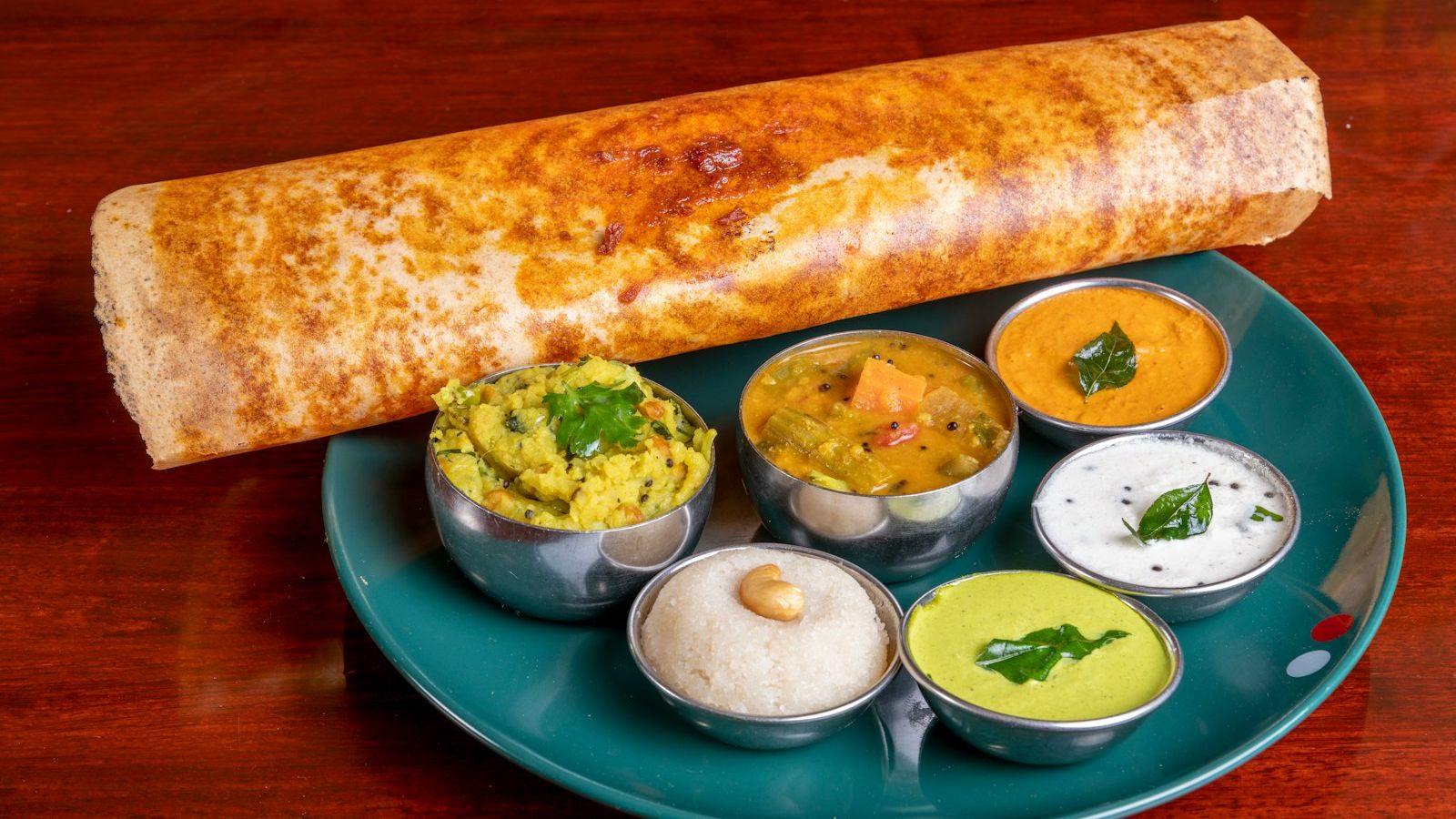
"If a client with diabetes asked me for just one breakfast to learn by heart, it would be moong dal chilla. It is almost the perfect diabetic breakfast - high protein, high fibre, low glycaemic, and genuinely quick. The recipe does the blood-sugar work for you." - Dt. Trishala Goswami, MSc Clinical Nutritionist, Certified Diabetes Educator
Moong dal chilla (a savoury split-lentil pancake) is one of the lowest-glycaemic, highest-protein breakfasts in the entire Indian kitchen - which makes it close to ideal for anyone managing diabetes or insulin resistance. Below is the full recipe with exact quantities and nutrition, followed by the clinical reasoning and the small tweaks that flatten your post-breakfast spike even more.
Why moong dal chilla is so good for diabetes
Three things make it work, and they are worth understanding so you can build your own variations:
- Protein-led, not carb-led. Most Indian breakfasts (poha, upma, white bread, sugary cereal) are mostly refined carbohydrate, which spikes blood sugar. A moong dal chilla is built on protein and fibre from the lentils, so the glucose release is slow and steady.
- Low glycaemic index. Whole and split moong dal has a much gentler effect on blood sugar than wheat or rice flour. It is one of the lowest-GI bases you can cook with.
- Fibre keeps it slow. The dal plus the vegetables you fold in add fibre, which further blunts the post-meal rise and feeds a healthier gut.
This is the same principle behind every breakfast in our best Indian breakfasts for diabetics guide - lead with protein, keep refined carbs low.
Ingredients (2 servings / 3 chillas)
- 1 cup yellow moong dal (split), soaked 2-3 hours
- 1 green chilli
- 1 inch ginger
- 1/2 onion, finely chopped
- 1/2 cup chopped vegetables (spinach, capsicum, tomato)
- A handful of coriander, chopped
- 1/4 tsp turmeric
- Salt to taste
- 1 tsp oil, for cooking
- 1 bowl curd (dahi), to serve
Method
- Grind the batter. Drain the soaked moong dal and grind it with the green chilli and ginger into a thick batter, adding as little water as possible.
- Add the vegetables. Stir in the chopped onion, vegetables, coriander, salt and turmeric. The batter should be spreadable, not runny.
- Heat the tawa. Warm a non-stick tawa on medium heat. Pour a ladle of batter and spread it thin in a circle. Drizzle a little oil around the edges.
- Cook both sides. Let the underside turn golden, then flip and cook the other side until set.
- Serve smart. Eat hot with a bowl of curd and mint-coriander chutney. Skip sweet or tamarind chutneys, which add sugar.
Nutrition (per serving, approximate)
| Per serving | |
|---|---|
| Calories | ~180 kcal |
| Protein | ~16 g |
| Carbohydrate | ~20 g |
| Fibre | ~5 g |
| Fat | ~4 g |
That ~16 g of protein is the headline number. A standard veg Indian breakfast often delivers under 8 g, so this single swap closes most of the protein gap that drives stubborn blood sugar.
A diabetes educator's tips to flatten the spike further
- Add the curd on the side, not sugar in the chai. The dahi adds protein and slows digestion even more. Pair the meal with unsweetened chai or black coffee.
- Go heavier on the vegetables. More spinach, capsicum, and tomato means more fibre and a lower glycaemic load for the same chilla.
- Walk for 10 minutes after. A short post-meal walk meaningfully lowers the after-breakfast number - see walking after meals and blood sugar.
- Don't make it too thin and crisp with extra oil. Keep oil to a teaspoon; you want a soft, protein-rich chilla, not a deep-fried one.
Easy variations
- Higher protein: add a tablespoon of grated paneer or a beaten egg into the batter.
- Moong + besan: mix half moong dal batter with besan (chickpea flour) for a different texture - both are diabetes-friendly.
- Sprouted moong: use ground sprouted moong for a slightly different flavour and even better digestibility.
For six more breakfasts built on the same principle, see our guide to the best Indian breakfasts for diabetics.
This recipe is general nutrition guidance, not a substitute for your doctor's advice. If you are on diabetes medication, especially insulin, talk to your clinician before changing your meal pattern.
Related reading
References
- American Diabetes Association. Standards of Care in Diabetes - nutrition therapy. diabetes.org
- Indian Council of Medical Research - National Institute of Nutrition (ICMR-NIN). Nutritive Value of Indian Foods.
Frequently asked questions
Is moong dal chilla good for diabetics?
Yes - it is one of the best Indian breakfasts for diabetes. It is high in protein and fibre and low in glycaemic index, so it releases glucose slowly and helps keep the post-breakfast blood sugar spike flat. Pair it with curd and a short walk for the best effect.
How much protein is in a moong dal chilla?
A serving of two to three vegetable moong dal chillas provides roughly 16 grams of protein, mostly from the lentils. Adding paneer or an egg to the batter pushes it higher. That is far more protein than most Indian breakfasts, which is exactly why it helps with blood sugar and weight.
Does moong dal raise blood sugar?
Moong dal has a low glycaemic index and a high protein and fibre content, so it raises blood sugar slowly and modestly compared with wheat or rice. Eaten as a chilla with vegetables and curd, it is one of the gentler choices for blood sugar.
Can I eat moong dal chilla every day for breakfast?
Yes. It is a balanced, protein-rich, low-GI breakfast that is perfectly suitable daily. Vary the vegetables and the side (curd, chutney, a boiled egg) to keep it interesting and nutritionally broad.
MSc Clinical Nutritionist · Diabetes Educator · Certified Nutrigenomics Specialist
Dt. Trishala Goswami is a clinical nutritionist and certified diabetes educator who designs personalized, science-backed nutrition programs for clients across India and abroad. She specializes in diabetes, PCOS, gut health, and nutrigenomics.
More about Dt. TrishalaWant a personalised Diabetes plan?
Articles can’t replace personalised care. Book a 30-min consultation with Dt. Trishala.
Living outside India? See how online consultations work for NRIs & global clients →
Related reads
Diabetes and Kidney Disease: An Indian Diet Guide for Both
Diabetes is the leading cause of kidney disease, yet the two diets contradict each other on rice, dal, millets and protein. A clinical nutritionist explains how to manage both on an Indian plate - and why the renal rules usually win.
Diabetes Diet for Elderly Indians: Softer Food, Weaker Appetite, More Medicines
Diabetes advice written for a 45-year-old can be actively harmful at 75. A Certified Diabetes Educator explains what changes with age - relaxed targets, higher protein needs, softer textures, and why tight control becomes the wrong goal.
Eating With More Than One Condition: An Indian Guide
Most diet advice assumes you have one condition. Real people have two or three, and the advice contradicts itself. A clinical nutritionist explains the five rules for resolving those conflicts - and applies them to the combinations Indians face most.