PCOS / PCOD Diet Plan: A 7-Day Indian Meal Chart That Actually Works
PCOD or PCOS? In India the two names are often used interchangeably. PCOS (polycystic ovary syndrome) is the recognised medical diagnosis, and some people use PCOD for milder cases. Whichever your report says, the diet below applies.
"Most PCOS diet plans my clients arrive with are copied from Western sources - quinoa, kale, almond flour, foods that are expensive, unfamiliar, and abandoned within a fortnight. PCOS responds to a principle, not a foreign menu: lower the insulin load of every meal. You can do that with dal, sabzi, millet roti, and dahi. When a client's plate is built right, I have seen cycles that were 60-90 days apart return to a 32-35 day rhythm within three to four months." - Dt. Trishala Goswami, MSc Clinical Nutritionist, Certified Nutrigenomics Specialist
A client - let us call her Sneha, 28 - came in with PCOS, a 70-day cycle, and a diet plan from the internet she could not stick to. Her actual eating was poha or toast for breakfast, a rice-heavy lunch, and a late, light dinner of "just fruit." We changed nothing exotic. We made breakfast protein-first, rebalanced her lunch plate, moved dinner earlier, and added ground flax and a daily walk. Her fasting insulin fell, her energy steadied, and by month four her cycle had returned to 34 days. The food was entirely Indian and entirely familiar.
A PCOS diet does not require foreign foods. It requires the right structure applied to the food you already eat.
The One Principle Behind Every PCOS Diet
Insulin resistance drives 50-70% of PCOS, including in lean women. Excess insulin tells the ovaries to make more androgens, which disrupts ovulation, worsens acne and hair loss, and promotes stubborn weight gain. Almost every effective PCOS diet works through one mechanism: lowering the insulin load of your meals.
Four levers do this, and they apply to every meal in the plan below:
- Protein first, and enough of it. Aim for 20-30g protein per meal. Protein blunts the glucose-and-insulin spike more than any other single change.
- Carbohydrate measured, and low-GI. Not removed - measured. Choose millets, whole legumes, and small portions of rice over refined flour and large rice servings. See our low-GI Indian foods guide.
- Fibre and fat present. Vegetables, ground flax, nuts, seeds, and a little ghee or cold-pressed oil slow digestion and steady the curve.
- Sequence and timing. Vegetables and protein before carbohydrate; an earlier, lighter dinner; a short walk after meals.
The full reasoning behind each food choice is in our complete guide to what to eat for PCOS. This article turns those principles into a week you can actually follow.
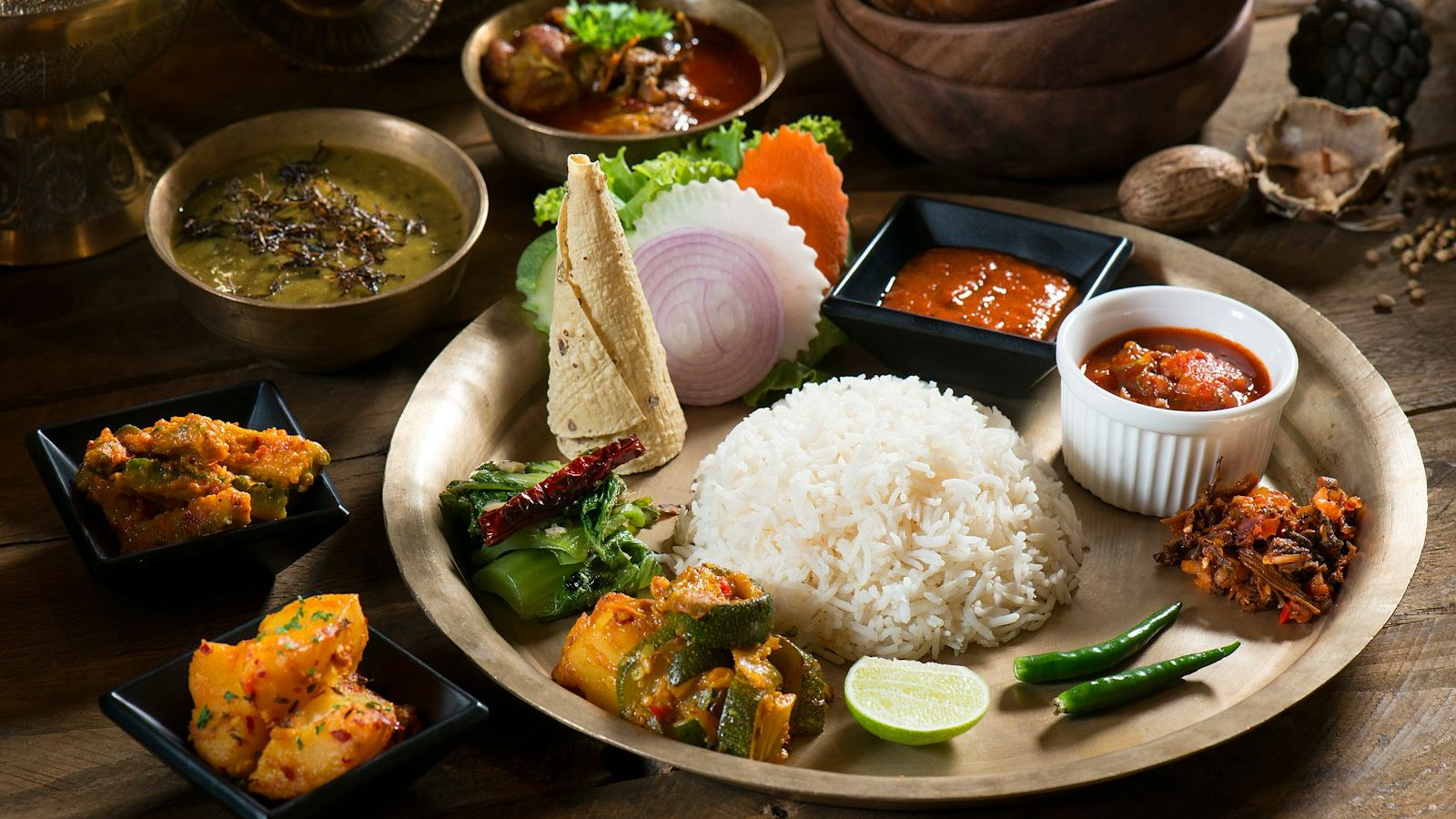
The 7-Day Indian PCOS Meal Plan
Portions are a starting template for an average adult woman; your individual needs depend on your weight, activity, subtype, and labs. Drink water through the day, and take a 10-15 minute walk after lunch and dinner.
Day 1
- Breakfast: Moong dal chilla (2) with mint chutney + a katori of dahi
- Lunch: Kachumber salad, rajma (1 katori), bhindi sabzi, 2 bajra rotis, chaas
- Snack: A handful of roasted chana + 5 almonds
- Dinner: Palak paneer (light) with 1 jowar roti
Day 2
- Breakfast: Vegetable besan dhokla (2-3 steamed) with dahi
- Lunch: Salad, moong dal, lauki sabzi, 1 small katori brown rice, dahi
- Snack: Buttermilk + a small bowl of sprouts
- Dinner: Grilled fish or tofu with sautéed vegetables
Day 3
- Breakfast: 2 boiled eggs or paneer bhurji + 1 multigrain roti
- Lunch: Salad, chana masala, tinda sabzi, 2 millet rotis, chaas
- Snack: Apple with 1 tbsp peanut butter (unsweetened)
- Dinner: Moong dal soup + a few cubes of grilled paneer
Day 4
- Breakfast: Sprouts chaat with dahi + ground flax (1 tbsp)
- Lunch: Salad, masoor dal, cabbage-peas sabzi, 2 bajra rotis, dahi
- Snack: Roasted makhana (1 bowl)
- Dinner: Tofu or paneer bhurji with 1 small roti
Day 5
- Breakfast: Vegetable omelette (2 eggs) or besan chilla
- Lunch: Salad, rajma, bhindi, 1 small katori rice, chaas
- Snack: A pear + a few walnuts
- Dinner: Mixed vegetable soup + a katori of dahi with sprouts
Day 6
- Breakfast: Dalia khichdi with moong dal and vegetables
- Lunch: Salad, kala chana, methi sabzi, 2 jowar rotis, chaas
- Snack: Roasted chana + buttermilk
- Dinner: Grilled chicken or soya chunk curry with sautéed greens
Day 7
- Breakfast: Moong dal chilla (2) + dahi + ground flax
- Lunch: Salad, toor dal, lauki-chana sabzi, 2 millet rotis, dahi
- Snack: A small bowl of fruit with seeds
- Dinner: Large salad bowl with paneer/egg + 1 small roti
A tablespoon of freshly ground flaxseed daily is one of the best-evidenced PCOS additions - stir it into dahi, chilla batter, or your morning meal. For more on this, see does seed cycling actually work.
Adjusting the Plan to Your PCOS Subtype
PCOS is not one condition. The plan above is a strong default, but your subtype shifts the emphasis:
- Insulin-resistant PCOS (the most common): lean hardest into low-GI carbs, protein-first meals, and post-meal walks.
- Inflammatory PCOS: prioritise anti-inflammatory foods - turmeric, ginger, omega-3s, and gut-supportive dahi and fermented foods.
- Adrenal PCOS: do not over-restrict. Adequate calories, steady meals, and stress reduction matter more than cutting carbs.
- Post-pill PCOS: usually temporary; focus on zinc, B6, and liver-supportive vegetables while cycles re-establish.
On supplements, inositol has the strongest evidence for the insulin-resistant subtype; our evidence review of PCOS supplements covers the rest.
What to Avoid on a PCOS Diet
Refined flour (maida): naan, white bread, biscuits, most bakery items. High-GI and the fastest route to an insulin spike.
Sugary drinks and sweets: soft drinks, packaged juices, and daily mithai deliver a fast sugar load with no fibre. Occasional, portion-controlled treats are fine; daily is not.
Large rice portions: rice is not banned, but two cups of white rice is a heavy insulin load. Keep it to a small katori and eat it after salad and dal.
"Fruit-only" meals: replacing a meal with only fruit spikes blood sugar and skips the protein PCOS needs. Eat whole fruit with or after a protein-containing meal instead.
Skipping meals: long gaps drive cravings and overeating later. Steady, protein-anchored meals keep insulin and hunger stable - one reason PCOS weight loss gets stuck when people under-eat then binge.
This 7-day plan is a strong, generic starting point - but PCOS is individual. For a plan built around your subtype, labs, medications, and food preferences, explore our PCOS programme or take our free PCOS assessment to see where to start. If you are weighing up getting one-to-one help, here is how to choose an online PCOS dietitian (it works for NRIs too).
Frequently asked questions
What is the best diet for PCOS in India?
The best PCOS diet for Indian women is a protein-first, low-glycaemic version of normal Indian eating - dal, whole legumes, millet rotis, plenty of vegetables, dahi, and measured portions of rice - with refined flour and sugar minimised. The goal is to lower the insulin load of every meal, because insulin resistance drives most PCOS symptoms. It does not require foreign or expensive foods; it requires restructuring the familiar plate around protein and fibre.
Can I follow a PCOS diet with normal Indian food?
Yes - that is exactly how it should be done. Every component of an effective PCOS plan exists in the Indian kitchen: moong dal, rajma, chana, paneer, dahi, eggs, bajra, jowar, vegetables, and seeds. The changes are structural - more protein, measured carbohydrate, vegetables first, an earlier dinner - not a switch to quinoa and kale. A familiar plan is one you can actually sustain, which is what produces results.
How quickly does a PCOS diet show results?
Energy, cravings, and digestion often improve within the first two to three weeks. Cycle regularity, acne, and weight typically take longer - most women see meaningful change in 3-4 months of consistent eating, because hormonal and ovulatory shifts operate on longer cycles. Consistency over months matters far more than perfection in any single week.
Is rice allowed in a PCOS diet?
Yes, in a measured portion and in the right order. A small katori of rice - ideally brown, hand-pounded, or paired with vegetables - eaten after a salad and a full katori of dal is manageable for most women with PCOS. The problems are large portions and eating rice first on an empty stomach. Keep it small and eat it last.
What should I eat for breakfast with PCOS?
A protein-first breakfast is the single most impactful PCOS meal. Good options: moong dal chilla with dahi, besan dhokla, eggs or paneer bhurji with one roti, or sprouts chaat with ground flax. Avoid carbohydrate-only breakfasts like plain poha, toast, or sweetened cereal, which spike insulin early and set cravings for the rest of the day. Our [PCOS breakfast guide](/blog/pcos-breakfast-indian) has the full list.
Do I need supplements alongside a PCOS diet?
Diet comes first; supplements are supportive, not a substitute. Inositol has the strongest evidence for the insulin-resistant subtype, and vitamin D, omega-3, and zinc help specific patterns. Because supplements can interact with medications such as metformin and vary by individual, decide on them with your clinician based on your labs rather than self-prescribing.
MSc Clinical Nutritionist · Diabetes Educator · Certified Nutrigenomics Specialist
Dt. Trishala Goswami is a clinical nutritionist and certified diabetes educator who designs personalized, science-backed nutrition programs for clients across India and abroad. She specializes in diabetes, PCOS, gut health, and nutrigenomics.
More about Dt. TrishalaWant a personalised PCOS plan?
Articles can’t replace personalised care. Book a 30-min consultation with Dt. Trishala.
Living outside India? See how online consultations work for NRIs & global clients →
Related reads
PCOS and Hypothyroidism Together: An Indian Diet Guide
PCOS and hypothyroidism overlap so closely in symptoms that one often hides the other - and their diet advice genuinely conflicts on soy, cruciferous vegetables and iodine. A clinical nutritionist explains how to manage both on an Indian plate.
PCOS and Type 2 Diabetes Together: An Indian Diet Guide
PCOS and type 2 diabetes share one root cause, so most of the diet advice overlaps - but the goals, the medications and the timelines differ in ways that matter. A clinical nutritionist and nutrigenomics specialist explains how to build one plan for both.
Is Curd (Dahi) Good for PCOS? (An Indian Dietitian Explains)
Plain dahi is one of the quietly useful foods for PCOS - protein, probiotics, and a low glycemic load that supports insulin and gut health. A clinical nutritionist explains how to use it, and the one type to avoid.