Masaba Gupta and PCOS: How She Manages It Naturally
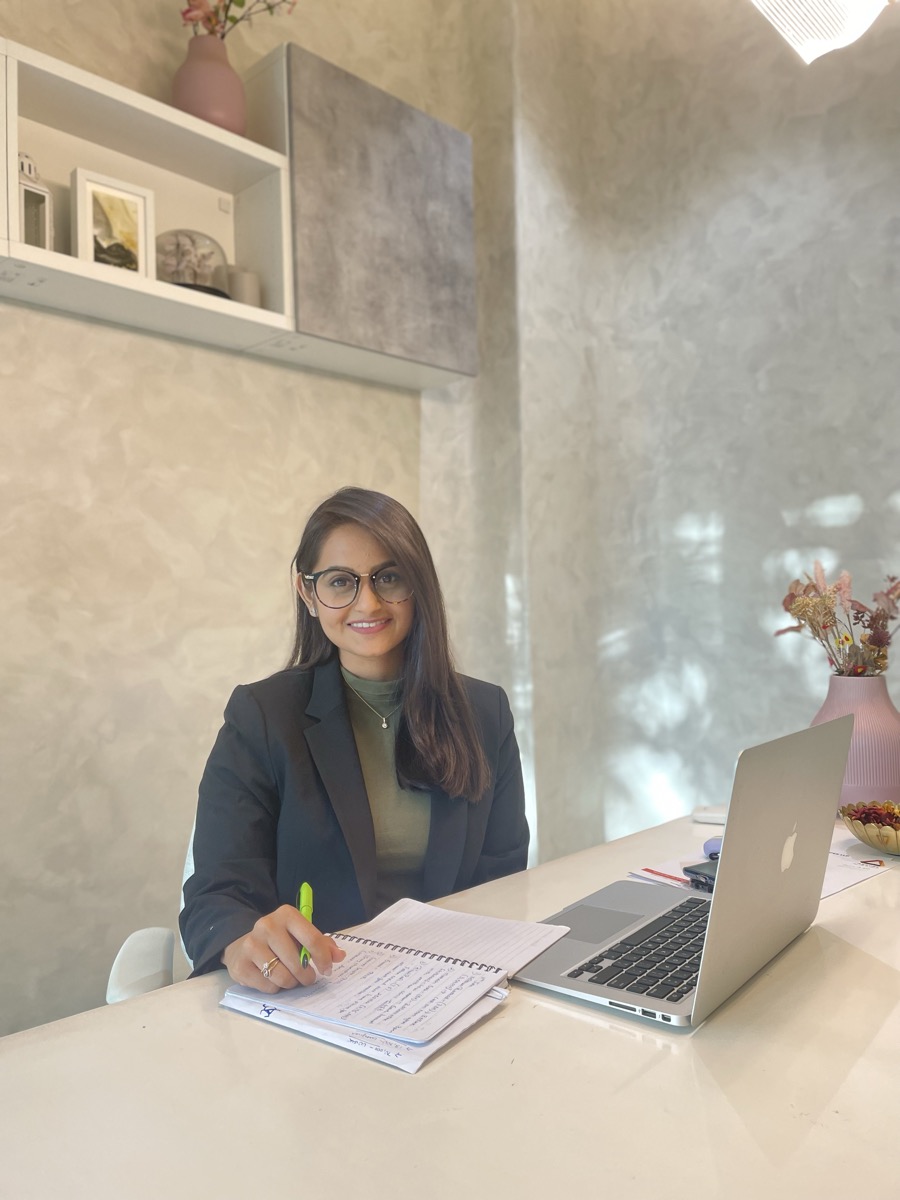
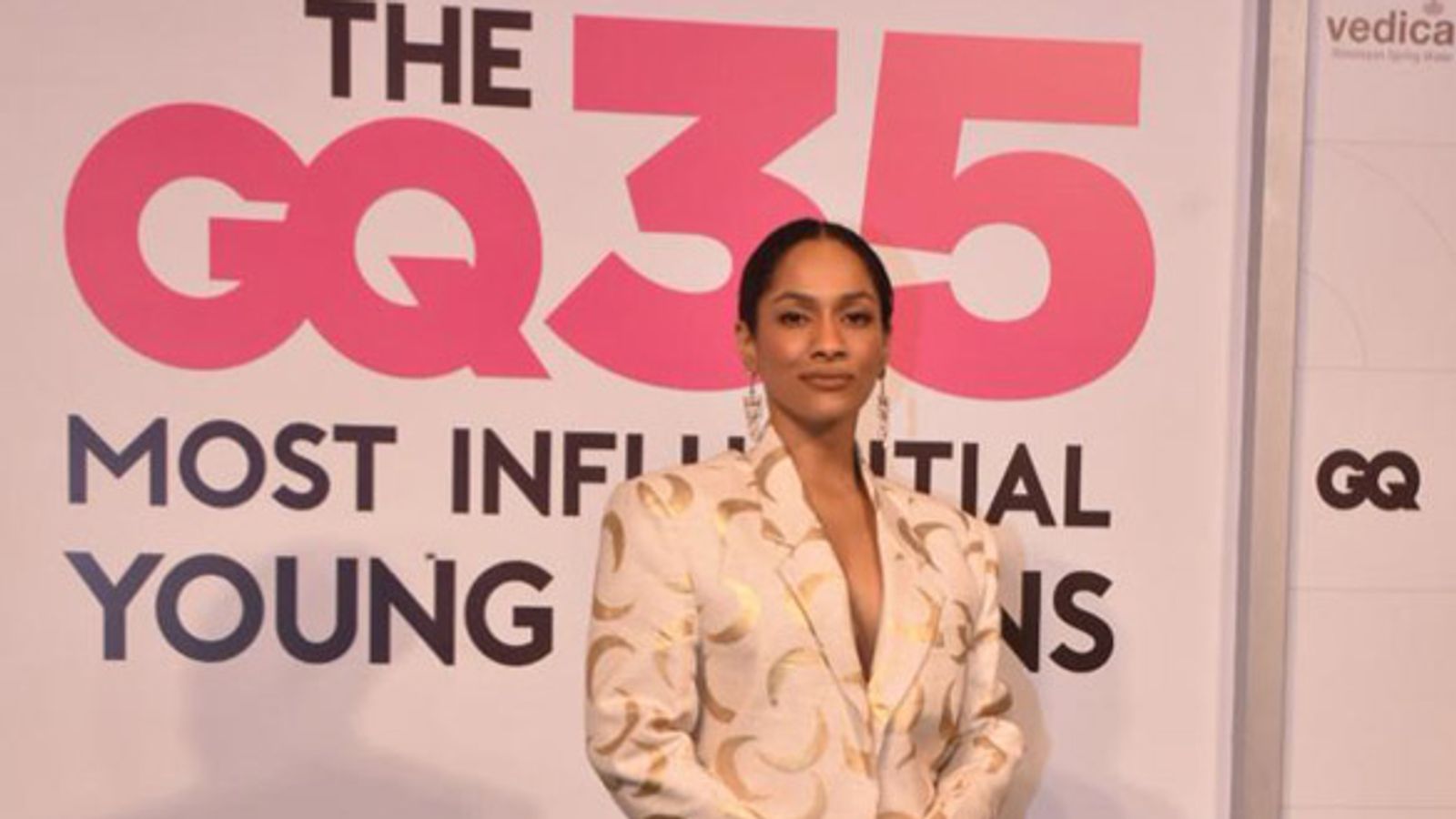
"What I appreciate about how Masaba Gupta talks about PCOS is the honesty: she frames it as a daily, non-negotiable habit, not a one-time fix. That is the truth of PCOS. It is managed at breakfast and on your morning walk, consistently, not cured by a single pill or a crash diet." - Dt. Trishala Goswami, MSc Clinical Nutritionist, Certified Nutrigenomics Specialist
Designer and entrepreneur Masaba Gupta has been one of India's most open public voices on PCOS (polycystic ovary syndrome, often called PCOD). She has spoken about living with it for years and about managing it through consistent lifestyle habits - to the point of crediting that routine with helping her come off medication, always with her doctor's involvement.
This is not gossip. It is a clinical nutritionist using a well-known, openly-shared story to explain what genuinely helps with PCOS - and how to apply it with everyday Indian food.
What Masaba Gupta has shared publicly
By her own widely reported accounts, the core of her approach has been:
- A non-negotiable daily routine of movement - a morning workout, walk, or yoga.
- Consistency over intensity - showing up every day rather than chasing extremes.
- Crediting this lifestyle with markedly improving her PCOS and reducing her reliance on medication, under medical guidance.
Those points line up almost perfectly with the evidence. The rest of this guide is the clinical version, built around the Indian kitchen.
Why lifestyle works so well for PCOS
Here is the part most coverage skips. PCOS is usually driven by insulin resistance - your cells stop responding well to insulin, so your body makes more of it. High insulin tells the body to store fat, worsens cravings, and pushes the ovaries to make more androgens, which drives irregular periods, acne, and hair changes.
Movement - especially building muscle - and the right food directly improve insulin sensitivity. That is exactly why a consistent routine like Masaba's moves the needle. We explain the mechanism in PCOS and insulin resistance, the hidden connection.
The principles, on an Indian plate
These are the levers that consistently help with PCOS, and they match the lifestyle-first approach Masaba describes:
| Lever | What it means in your kitchen |
|---|---|
| **Protein at every meal** | Dal, dahi, paneer, eggs, sprouts, chana - steadies insulin and cuts cravings. |
| **Lower-glycaemic carbs, in portion** | Less refined rice and flour, never eaten naked. See [best foods for PCOS](/blog/best-foods-for-pcos-indian). |
| **Fibre first** | Vegetables and salad before starch slow the glucose rise. |
| **Daily movement, especially strength** | The single most powerful lever for insulin sensitivity - Masaba's "non-negotiable." |
| **Sleep and stress** | Poor sleep and chronic stress raise cortisol, worsening insulin resistance. This is treatment, not optional. |
For a structured starting point, see what to eat for PCOS and the 7-day Indian PCOS diet plan.
A word on medication and "getting off it"
Masaba has been careful to frame her medication changes as happening with medical input, and that matters. PCOS is sometimes managed with medication (like metformin or inositol), and lifestyle can reduce how much support some women need - but this is always a decision to make with your doctor, never alone. Lifestyle and medication are partners, not rivals. For the supplement side of this, see inositol for PCOS.
What a celebrity story can't tell you
It is individual. PCOS has different drivers in different women - some strongly insulin-driven, some inflammatory, some with thyroid overlap. A routine that worked for one person is a starting hypothesis, not a prescription. See PCOS subtypes, why one diet doesn't fit all.
Consistency beats perfection. The reason Masaba's approach is worth admiring is that it is sustainable - a daily habit, not a punishing sprint. If you cannot picture doing it for years, it is the wrong plan.
This article is general education, not a substitute for personalised medical care. PCOS should be managed alongside your doctor, especially if you are trying to conceive or are on medication.
Related reading
- Can PCOS be cured? An honest answer
- Does Sonam Kapoor have PCOS?
- Does Sara Ali Khan have PCOS?
- Shruti Haasan on PCOS and endometriosis
- Best supplements for PCOS (evidence-based)
References
- Monash University. International Evidence-Based Guideline for the Assessment and Management of PCOS. monash.edu
- National Institute of Child Health and Human Development (NIH). Polycystic Ovary Syndrome (PCOS). nichd.nih.gov
- Hauterfly. Bollywood actresses who spoke about their PCOS journeys. hauterrfly.com
- Indian Council of Medical Research - National Institute of Nutrition (ICMR-NIN). Dietary Guidelines for Indians.
Frequently asked questions
Does Masaba Gupta have PCOS?
Yes. Masaba Gupta has spoken publicly and repeatedly about living with PCOS for several years, and about managing it through a consistent daily lifestyle routine - crediting that with improving her symptoms and reducing her need for medication, under medical guidance.
How does Masaba Gupta manage her PCOS?
By her own widely reported accounts, through a non-negotiable daily routine of movement (workout, walk, or yoga) and consistent lifestyle habits, rather than extreme dieting. This aligns with the evidence, since PCOS is largely driven by insulin resistance, which responds strongly to movement and the right food.
Can PCOS be managed without medication?
For many women, lifestyle - protein-forward eating, lower-glycaemic carbs, daily movement, good sleep, and stress management - significantly improves PCOS, and some reduce their need for medication. Whether to change or stop any medication is strictly a decision for your doctor; lifestyle and medication work best together.
What is the best exercise for PCOS?
Strength training is especially powerful because building muscle improves insulin sensitivity, the core issue in most PCOS. Daily walking, yoga, and general movement all help too. Consistency - a routine you can keep - matters more than intensity.
MSc Clinical Nutritionist · Diabetes Educator · Certified Nutrigenomics Specialist
Dt. Trishala Goswami is a clinical nutritionist and certified diabetes educator who designs personalized, science-backed nutrition programs for clients across India and abroad. She specializes in diabetes, PCOS, gut health, and nutrigenomics.
More about Dt. TrishalaWant a personalised PCOS plan?
Articles can’t replace personalised care. Book a 30-min consultation with Dt. Trishala.
Living outside India? See how online consultations work for NRIs & global clients →
Related reads
PCOS and Hypothyroidism Together: An Indian Diet Guide
PCOS and hypothyroidism overlap so closely in symptoms that one often hides the other - and their diet advice genuinely conflicts on soy, cruciferous vegetables and iodine. A clinical nutritionist explains how to manage both on an Indian plate.
PCOS and Type 2 Diabetes Together: An Indian Diet Guide
PCOS and type 2 diabetes share one root cause, so most of the diet advice overlaps - but the goals, the medications and the timelines differ in ways that matter. A clinical nutritionist and nutrigenomics specialist explains how to build one plan for both.
Is Curd (Dahi) Good for PCOS? (An Indian Dietitian Explains)
Plain dahi is one of the quietly useful foods for PCOS - protein, probiotics, and a low glycemic load that supports insulin and gut health. A clinical nutritionist explains how to use it, and the one type to avoid.